
AEDs should be mandatory in new high-rises
By Gabriel Blanc
In the March edition, the Annex Gleaner offered readers a glimpse of new development potential with increased density and height for buildings near TTC stations. These new permissions give us good reason to think about how new high-rise buildings can be made safer for those who will live there.
My mom had a heart attack on the fifth floor of a high-rise building. She survived, thanks to the skill and dedication of nurses and paramedics who got to her in time. But in the months that followed her recovery, I couldn’t stop thinking about Torontonians who aren’t so lucky. And there are more of them than you might realize.
The increase in high-rise development enabled by MTSAs brings this problem into focus: Torontonians living above the fifth floor have a nearly 50-per-cent lower survival rate for out-of-hospital cardiac arrests than those on lower floors, according to Dr. Ian Drennan at the University of Toronto. The reason is clear: when every second counts, distance is deadly. Most tall residential buildings in this city simply don’t have automated external defibrillators (AEDs) positioned where residents can reach them quickly.
But high-rises do not need to be more dangerous than any other kind of home.
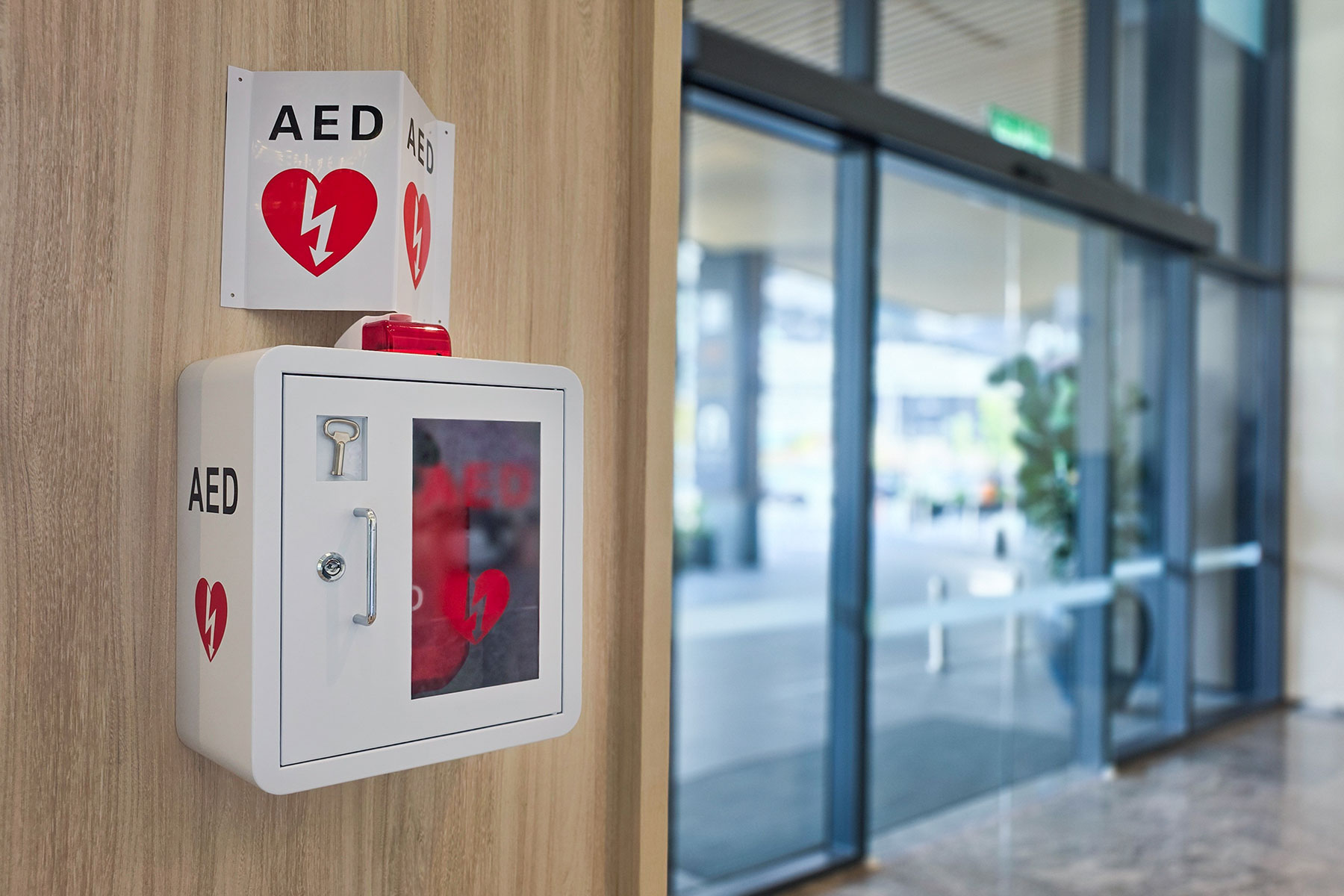
AEDs are portable, easy to use, and proven to save lives. AEDs guide you through every step of using one, making it easy to use for all, regardless of experience. If we were to treat defibrillators like fire extinguishers, every resident could be near a lifesaving device at all times. They should be easily accessible on every floor, potentially by being positioned near the stairwell on every third landing. Manitoba mandates defibrillator access in gyms (where cardiac arrests are, unfortunately, more common). Toronto could take this a step further and extend regulations to gyms in private residences (which are also increasingly common). Doing so would ensure that residents are able to provide medical aid in the event paramedics are unable to reach residents swiftly.
At Toronto city hall, I’ve worked to make that a reality. I helped draft a motion, slated to come before city council in 2027, that would ensure high-rise residents have equal access to emergency medical care. That gives us time to identify or elect real champions for this cause on council.
On cost: I’ve heard the concern that the $2,000 per-unit price tag for AEDs places an unfair burden on building owners. But considering that developers in Toronto pay the city nearly $130,000 per unit in development charges, requiring AED installation in new builds is a modest, reasonable ask. In any case, providing AEDs could fall under the Community Benefits Funding program, much like how bike parking spots are funded.
The Annex is one of Toronto’s great success stories: a genuinely mixed-income neighbourhood where rooming houses, detached homes, missing middle multiplexes, mid-rise apartments, and high-rise towers coexist on the same streets. That diversity of housing is part of what makes our neighbourhood one of Toronto’s most liveable. But that liveability is threatened by such unequal access to emergency medical care.
While the province has taken action on defibrillator access through initiatives like Bill 141, the city has not. A truly inclusive city doesn’t let your postal code or your floor number determine whether you survive a medical emergency. Toronto can be a global leader in public health access with modest policy changes from city hall.
It’s time to expand AED access in high-rise buildings. As we approach the municipal elections this fall be sure to ask the candidates in University-Rosedale if they would support such a positive life-saving initiative.
Gabriel Blanc is the former co-chair of the Young Greens of Ontario, has worked in city hall as a policy advisor to budget chief Shelley Carroll (Don Valley North), and is running for city councillor in University-Rosedale in the upcoming election.