December 30th, 2018 · Comments Off on CHATTER: Marking Remembrance Day with music (Dec. 2018)
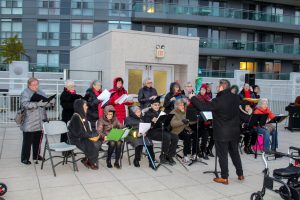
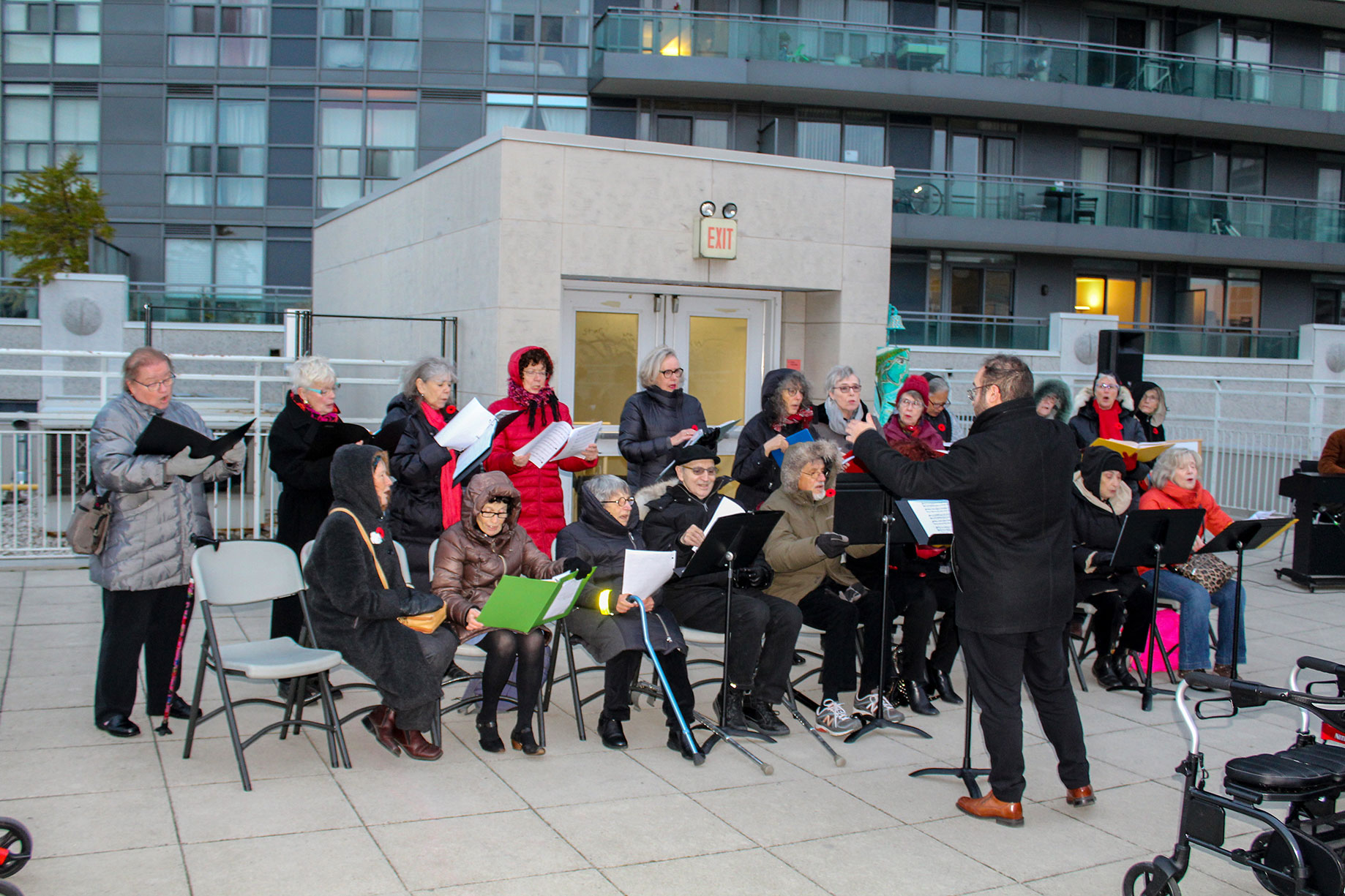
The Miles Nadal Jewish Community Centre observed Remembrance Day with a multi-disciplinary ceremony. The November 11 event included a moment of silence, candle lighting, and a music performance by students in the music program.
—Temi Dada/Gleaner News
Tags: Annex · News · General
December 30th, 2018 · Comments Off on CHATTER: Cash for corn helps displaced residents (Dec. 2018)
The Annex Residents’ Association (ARA) raised over $3,000 after turning its annual Annex Corn Fest into a silent auction.
“It was a great day. We had a lot of people, because we promoted the event quite well. We had a great participation from businesses around the neighbourhood and members of the community,” said David Harrison, president of the ARA.
The association partnered with Community Matters, a St. James Town community group, to raise money to help residents displaced from their homes by a fire at 650 Parliament St. last summer. Over 1,500 people have been unable to return home since an electrical fire broke out at the residential high-rise on August 21. Property manager Doug Sartell said in a press conference late September that it might be next year before residents can return home.
The City of Toronto and the Canadian Red Cross have worked to find shelter for the victims, opening the Wellesley Community Centre and Regent Park Community Centre. There are also two class-action suits pending against the building owners, the property managers, and Toronto Hydro on behalf of the tenants.
The proceeds from the corn fest and silent auction were donated to the tenants during a ceremony on October 19.
“We are a neighbourhood association and basically our aims and objectives are to improve the quality of life for us and if we can help our neighbours we do that too. We are in this together, we should help each other when we can,” Harrison said.
—Temi Dada/Gleaner News
Tags: Annex · News
December 30th, 2018 · Comments Off on CHATTER: Suspect sought in mid-day stabbing on Bloor Street (Dec. 2018)
A disagreement between two men at Gig@bites Internet ended in a stabbing on October 15 around noon. The men got into a physical altercation, and the suspect fled on foot after stabbing the victim.
The Toronto Police Service has since released images of a man wanted in connection with the incident at the Bloor Street West Internet café. The police have asked for assistance in identifying the suspect, describing him in a news release as 5 feet 10 inches, aged 20 to 35, with short black hair, and having a full beard. He was wearing a green jacket with an orange hoodie beneath, dark pants, red shoes with white soles, and carrying a light coloured backpack. He might also have tattoos on his neck.
The condition of the victim has not been disclosed and staff at the Gig@bites location declined to comment for this story.
If you have information on this or any other incident, please contact the Toronto Police Service at 416-808-1400.
—Temi Dada/Gleaner News
Tags: Annex · News
December 30th, 2018 · Comments Off on Editorial: Blowing smoke on the climate file (Dec. 2018)
After axing his predecessor’s carbon tax policies, the premier has offered the province a new climate change plan that asks more questions than it answers.
Repealing the cap-and-trade system also cancels the programs funded by its revenues, including rebates for energy-efficient renovations, transit projects, clean energy production like wind and solar, and a fund for energy-saving school repairs. The province is also on a legal collision course with Ottawa, which requires every province and territory to implement a carbon-reduction plan. Provinces and territories who do not establish a climate action plan will have one imposed on it.
Not one for waiting, Doug Ford’s provincial government threw the first punch this month, when it launched a lawsuit against the federal government claiming it had overstepped its constitutional authority. This suit should not come as a surprise — Ford campaigned on it. The province has set aside $30 million to fund the legal offensive, but legal experts think it’s a doomed initiative given that the federal government has broad taxing powers and climate change crosses provincial borders. For her part, Ontario Attorney General Caroline Mulroney declined to speculate on the government’s chances in court, saying only that it was something the Progressive Conservatives had promised to do.
It would be totally pointless to sue Ottawa without presenting an alternate solution, so the provincial government has also announced its made-in-Ontario solution: a 53-page document that devotes less than half of its content to climate change. The bulk of the document deals with what are termed climate drivers like encouraging litter reduction and makes recommendations for ways to mitigate the effects of climate change. (Basement waterproofing is one example.) Bizarrely, Ford’s pledge to take over the Toronto transit system is included as a climate pledge rather than the thinly-veiled attempt to regain control of the city that failed to elect him mayor.
We note that Ontario has made significant progress on its climate change goals, thanks largely due to the elimination of coal-fired power plans. Progressing further will mean tackling other low-hanging fruit, like industry polluters and the automotive sector, but that’s a tougher row to hoe. The coal plants did not fight back. Try telling someone that their giant pick-up they just bought, used primarily for their suburban commute, is going to go the way of the dodo.
It’s alarming the extent to which people choose gas-guzzling pick-ups and SUVs over smaller fuel-efficient cars. British Columbia is confronting that head-on by announcing programs that will require all new cars and light trucks to be zero-emission vehicles by 2040. Ford’s plan has expressly exempted the entire auto sector from his climate change strategy and only mentions industry to suggest the government would consult on target reductions in carbon emissions, and if industry should not meet the targets, it would be “fined”. Well at least it’s not a “tax”.
Governments should lead by considering the interests of the whole, not by adding up the preferences of each citizen. Ford says he was elected “for the people”, and the residents of Ontario collectively need a climate change strategy that will have a real impact on climate change, not one that is composed solely of smoke.
READ MORE EDITORIALS:
EDITORIAL: This premier is not for the people (City Election 2018)
EDITORIAL: Eight weeks lost to Ford’s madness (October 2018)
EDITORIAL: A lost cause worth fighting for (Aug./Sept. 2018)
EDITORIAL: Reclaiming our city (Summer 2018)
EDITORIAL: City staff ignore bike lanes (July 2018)
EDITORIAL: The market has no moral compass (Election Special 2018)
EDITORIAL: Lessons to be learned from Excessive Force (Spring 2018)
EDITORIAL: A social contract is a precious thing (March 2018)
EDITORIAL: Intolerance leading to Quebec’s decline (Dec. 2017)
EDITORIAL (Nov. 2017): Student safety suffers as trustees cave
EDITORIAL: Pandering to religious intolerance (October 2017)
EDITORIAL: Bike lanes, good for business (Fall 2017)
EDITORIAL: Don’t sacrifice safety for political gain (August 2017)
Tags: Annex · Editorial
December 30th, 2018 · Comments Off on EDITORIAL CARTOON: How nice (December 2018)

READ MORE:
EDITORIAL CARTOON: How Nice (City Election 2018)
EDITORIAL CARTOON: How Nice (October 2018)
EDITORIAL CARTOON: How nice (Aug./Sept. 2018)
EDITORIAL CARTOON: How Nice (Summer 2018)
EDITORIAL CARTOON: How Nice (July 2018)
EDITORIAL CARTOON: How Nice (Election Special 2018)
EDITORIAL CARTOON: How Nice (May 2018)
EDITORIAL CARTOON: How Nice (Spring 2018)
EDITORIAL CARTOON: How Nice (Mar. 2018)
EDITORIAL CARTOON: How Nice (Dec. 2017)
EDITORIAL CARTOON How nice! (August 2017)
EDITORIAL CARTOON How nice! (July 2017)
EDITORIAL CARTOON: how nice! by blamb (June 2017)
EDITORIAL CARTOON: TCHC (May 2017)
EDITORIAL CARTOON: The Grand Tory (April 2017)
FORUM: Celebrating 20 years of cartoonist Brett Lamb (April 2017)
Tags: Annex · Columns · Opinion
December 30th, 2018 · Comments Off on LETTERS TO THE EDITOR (Dec. 2018)
Not so funny
Re: How Nice editorial cartoon (October 2018)
I have lived in the Annex for 40 years. I love living here and am so glad The Annex Gleaner exists. This is the first time opening the paper made me sad. I have never voted Conservative, never will, and I put in a good number of years working alongside Jack Layton, two of them at City Hall.
The editorial cartoon, “But I’m a moderate Conservative” is not a cartoon. It’s four blocks of words and images that reek of hate and name-calling. This hateful, generalized statement is not funny at all.
I know if I brought it to Jack Layton’s attention, he would just shake his head and not give it a second glance. Maybe, like me, he would have sighed and been saddened.
The Gleaner can do better, providing a more intelligent and well-rounded perspective.
—Peter Ehrlich
Twelve disciples were enough, once
Re: Election chaos (October 2018)
I am a long-time resident in the Annex and I felt surprised by your article. There are still too many council members — 25 is too much.
The more people the greater the chaos. If Jesus could run the entire earth with 12 people, why do we need so many for Toronto?
If you say we are not represented enough then make the alternative choice — every one of us should have a seat.
See how ridiculous the argument is for so many?
—Noemi Soloviov
Tags: Annex · Letters
December 30th, 2018 · Comments Off on FORUM: Moving forward in the new reality (Dec. 2018)
Our opportunity to reshape local democracy
By Mike Layton
Let me first take a moment to thank the residents of University-Rosedale who have put their trust and faith in me with their vote. I also want to thank the other candidates for bringing their ideas and issues forward during the campaign. Congratulations also go to Toronto District School Board Trustee Chris Moise for taking on the enormous challenge of managing the expectations of parents, students, teachers, and the administration for schools across two enormous wards.
Throughout the campaign it was a pleasure to meet old friends and new residents in Ward 11 — from the Annex to Kensington Market and from Ossington to Rosedale — to talk about the issues we are facing in our ward, and the city that we striving to create.
I heard some things repeatedly: residents in Ward 11 want to make sure there is more affordable housing, better transit, that we invest in ways to make our streets safer, and that we protect and expand green space in the city. What I heard even more often was that we must do everything we can to stand up for the people of Toronto against Doug Ford’s cuts and his approach to governing.
I promise to get to work on these issues right away. Together we will fight for a Toronto where nobody is left behind, where the city is leading the fight against climate change, and where we build opportunities for everyone in our communities.
In the coming months we will need to focus on Toronto’s new inclusionary zoning powers that will ensure all new development includes affordable housing. Early in the next term of Toronto City Council, new cost estimates for transit plans will be debated and the future of the Downtown Relief Line will be decided.
We will review our bylaws as they relate to ride-sharing services, and debate measures to reduce noise impacts on our neighbourhoods.
Parks and Forestry is developing a new Facilities Master Plan that will look at where we need to improve service delivery for recreation programs.
Locally, we will need to get serious about road safety and look at new plans for road safety measures on Avenue Road, Glen Road, and Bloor Street.
In the days following the campaign I reached out to city staff, community associations. and my colleagues on council to begin the process of transitioning to the new ward boundaries. There are several critical issues that we will need to address right away, and there are some that deserve a longer, more robust dialogue with residents and businesses about how they can be involved in shaping their communities and city.
In the coming weeks I plan to facilitate a dialogue with residents about the type of city they want to live in, the services they need and expect the city to provide, and how we can collectively move forward in this new political reality.
For the past two council terms, I have prided myself on having an open door and, an attentive ear, and being generous (and honest) with advice about how to move issues forward at city hall. I look forward to continuing this practice on a larger scale in the coming years in Ward 11.
Mike Layton is the councillor for Ward 11, University-Rosedale.
READ MORE BY MIKE LAYTON:
FORUM: Celebrate citizen activists (July 2018)
FORUM: Provincial government is developer-friendly (Spring 2018)
FORUM: Establishing a new Indigenous Affairs Office (Nov. 2017)
FORUM: Building a better Bickford Park (Oct. 2017)
FORUM: Recognize and reconcile Canada at 150 (July 2017)
FORUM: San Francisco a model to follow (April 2017)
FORUM: Tolls, taxes, and Toronto (February 2017)
FORUM: Seeing our neighbourhood through new eyes (December 2016)
FORUM: We can do better: Dangerous summer for Toronto pedestrians and cyclists (October 2016)
FORUM: Curious story of Christie Pits pool liner ends in extended hours at Alex Duff (August 2016)
FORUM: A tribute to a friend (June 2016)
FORUM: Large problem, small solution (March 2016)
FORUM: Happy New Year from a new Dad with a new perspective (January 2016)
Tags: Annex · Opinion
December 30th, 2018 · Comments Off on FOCUS: Voting from afar (Dec. 2018)
Democrats Abroad celebrate mid-term results
By Shyanne Cole
Democrats Abroad gathered at the Madison Avenue Pub on November 6 to watch results for the mid-term election come in from the United States of America. American flags hanging from the walls, peeking out of shirt pockets, and draping many shoulders made it a very vibrant night.
Yusuf Nakhooda, a 42-year-old legal assistant from Texas, summed up the mood of the crowd as it became clear that the Democrats would take the House of Representatives.
He was, he said, “very encouraged for the House to get ready for 2020”.
“This is an important election,” said Karin Lippert, a Democrats Abroad board member. “There has never been this great a response, and this is because of topics like climate change, education, and health care.”
Democrats Abroad is an official arm of the Democratic Party that helps American Democrats around the world cast their ballot. It has 100 chapters in other countries around the world, and thousands of members in Toronto alone. It also raises student awareness about voting away from home, and established new chapters at the University of Toronto and McGill University this year.
“We have helped 200,000 American Democrats obtain ballots and vote,” said Lippert. It has call centres staffed with volunteer callers who reach out to American citizens who live outside of the United States, and help them navigate the international voting process.
[pullquote]“We have helped 200,000 American Democrats obtain ballots and vote”—Karin Lippert, Democrats Abroad[/pullquote]
Help provided even goes beyond the ballot. Democrats Abroad posts up-to-date taxation information on its website, and helps its members file their annual returns.
Burke McCarthy, a 62-year-old consultant from Rochester, New York, explained how the organization helped him file his tax returns.
“It’s difficult to do two sets of taxes, it can take two straight weeks sometimes and going to tax people has caused constant errors for me,” said the call centre volunteer.
Burke added that Democrats Abroad also helps to foster a sense of community, making members feel more at home no matter where they live.
That sense of community was on display at the Madison, as cheers of excitement and hope broke out as each new update was posted. Everyone was welcome, with the event drawing people who follow politics south of the border, even if they aren’t a citizen.
“Since we are such close neighbours, what happens in America happens here too, so it’s nice to have a foot in the door when it comes to American politics,” said Dylan Heera, a 21-year-old Torontonian.
The board members of Democrats Abroad meet once per month, but the organization hosts events for all of its members throughout the year. The Madison Avenue Pub is one of its most frequented spots, especially on election nights.
You can sign up to be a member of Democrats Abroad through their website, www.democratsabroad.org. You must be an American citizen, be 18 on or before voting day, and live outside of the United States.
Tags: Annex · Life
December 30th, 2018 · Comments Off on GREENINGS: Preventing chaos, mass starvation (Dec. 2018)
We need a ministry of adaptation
I live in the city, have given up driving and most of my hobbies that produce a lot of greenhouse gas emissions, so I’m thrilled that the new carbon tax is finally getting implemented.
I have huge respect for Catherine McKenna, the Minister of Environment and Climate Change. Her devotion to mitigating climate change through the recently announced carbon tax is laudable. But what the Liberal government needs to do now is to appoint a minister responsible for climate adaptation.
We need to come to terms with the fact that the battle is largely lost and we need to adapt to changes that have already taken place and those that are yet to come. Long-term planning is essential if we are to prevent chaos and mass starvation.
We cannot wait until existing agricultural regions are decimated before acting, and swathes of growing regions around the world are lost to climate change. Nearly half of all food is wasted, so while mass starvation could be staved off if people conserved calories more carefully, a massive loss of food production will inevitably lead to famine and a spike in food prices.
We shouldn’t wait until the crisis hits. There should be plans in place to increase domestic food production in ways that don’t cause increased stress on our bee population or our water resources. For example, finding ways to help farmers transition from resource-intensive animal products to plant-based products will be essential for long term survival. And, reducing our reliance on fossil fuels and increasing the farm capacities and providing well-paying farm jobs should be top of mind.
We also need to develop policies for sheltering displaced people.
Five-hundred-year flood events are now almost an annual ritual in some parts of the country, and we can no longer rely on past data to determine future risks.
Insurance companies know this, and governments have foolishly stepped in to cover flood risks, which does little but encourage growth in unsafe areas. We must plan to permanently relocate people from flood-prone regions, and stop rebuilding areas that will flood once more within a decade. Rebuilding consumes resources and causes heartache for all involved, but putting policies in place now to move people to higher ground will make the work less politically charged when the time comes.
What will be our policies about accepting climate refugees from abroad?
Canada should decide now how we will deal with climate refugees that come knocking at the door. There will be millions of displaced people at our borders with no home to return to, having left lands devasted by forest fires, drought, and floods. Developing policies now will help us deal with the onslaught down the road and create less chaos when the time comes.
How will we help displaced northern Indigenous people?
The permafrost is melting. The way of life for many of our First Nations people will forever be changed because of climate change. There needs to be a plan put in place, developed with the consultation of elders, to help Indigenous people cope with the loss of ice, food sources, and animals that they depend upon. It is bad enough now that we have reserves with no clean water. If we are to have peace and reconciliation, a bigger effort needs to be made to reach out to elders now, about how we can help communities adapt to what is to come.
The climate has changed, and what it brings next will likely destroy the systems we have built over the last several hundred years.
Plantations cannot be moved overnight. Putting forethought into planning for a changed climate is imperative for our survival.
Terri Chu is an engineer committed to practical environmentalism. This column is dedicated to helping the community reduce energy and distinguish environmental truths from myths.
READ MORE BY TERRI CHU:
GREENINGS: Municipalities should flex their green muscles (City Election 2018)
GREENINGS: Short-term solutions haunt future (October 2018)
GREENINGS: Urban under-representation (Aug./Sept. 2018)
GREENINGS: Nurture the neighbourhood by cultivating green canopy (Summer 2018)
GREENINGS: Results beg for electoral reform (July 2018)
GREENINGS: Choosing the lesser evil (Election Special 2018)
GREENINGS: Reduce, reuse, and then recycle (May 2018)
GREENINGS: Car-free parenting is not rare (Spring 2018)
GREENINGS: The science of board games (Mar. 2018)
GREENINGS: Driving fuelled by unseen subsidies (Jan. 2018)
GREENINGS: No solutions for nobody’s problem (Dec. 2017)
GREENINGS: Celebrate science not milestones (Nov. 2017)
GREENINGS: Down to the data (Oct. 2017)
Tags: Annex · Life · Opinion
October 17th, 2018 · 1 Comment

Tracy Gorman’s “In her eyes” studies the eyes of the women in her life. Gorman specializes in textile-based pieces, and put photos of eyes on a dress using synthetic photographic transfer paper. The installation was part of W-O-M-A-N, an all-woman exhibition about women in society at Spadina Musuem for Nuit Blanche Toronto on September 29. HÜSNA SARI/GLEANER NEWS
SEE MORE:
ARTS: Nuit Blanche 2018 (City Election 2018)
ON THE COVER: Transitory night (Oct. 2017)
ON THE COVER: Celebrating Bloor Street (OCTOBER 2016)
ARTS: Interactive installations celebrate Annex icons (OCTOBER 2016)
Tags: Annex · Arts
October 17th, 2018 · 3 Comments
See where hopefuls stand
It’s a bit ironic that municipal elections attract the lowest voter turnouts. Ironic because decisions made at City Hall have a greater impact on your day-to-day life than those made in the legislature or in parliament. On any given day, Toronto City Council will consider garbage, snow removal, transit, zoning, parks…the list is endless. Yet it can be difficult for councillor candidates to attract attention, much less your vote.
That’s why we’ve chosen to be expansive. In this municipal election guide, we put councillor candidates for the new Ward 11, University-Rosedale, to the test, asking them to answer questions developed by the residents’ associations and BIAs in our coverage area. We also asked the associations to send us questions for candidates running for trustee in the Catholic and public school boards, and their answers can be found here for the TDSB and here for the TCDSB.
We emailed the questions to all candidates, and gave them a week to respond, asking them to keep each answer to 100 words or less. We’ve published all the answers we received, editing only for length, grammar, and style. We did not get replies from Michael Borrelli or Michael Shaw.
Compiled by Ellie Hayden
What will you do to ensure that families have pedestrian-friendly spaces where kids can safely walk to school and how will you promote extra-curricular activities? —Annex Residents’ Association
Marc Cormier: I will support the doubling of playgrounds within the ward, because there is a serious lack of infrastructure for safe play areas for our children. I will also support participatory design with input from the primary users: the children.
I shall also ask that we redesign pedestrian crossovers, so they are clearly visible using a false 3D paint job. Too many accidents happen at these crossovers as they often give pedestrians a false sense of security.
Cycling in Toronto is dangerous and deadly. We need to create true bike lanes. At the same time, I support increased fines and police campaigns for cyclists who use sidewalks and don’t obey traffic laws and signals.
Mike Layton: Vision Zero offers a toolkit of options to make our public spaces pedestrian friendly. This could include re-engineering our streets to create better buffer zones between moving traffic and pedestrians with vertical barriers. I will work with residents to find local solutions to safety concerns in our neighbourhoods, and take action in areas identified by the residents and staff to correct dangerous areas.
The City of Toronto should invest more in after-school programming for children and we can utilize our public spaces as venues to host this programming. Our parks, libraries, and community centres can be better used as venues for these programs. Ensuring that city programs are accessible to all families, regardless of ability to pay, is critical.

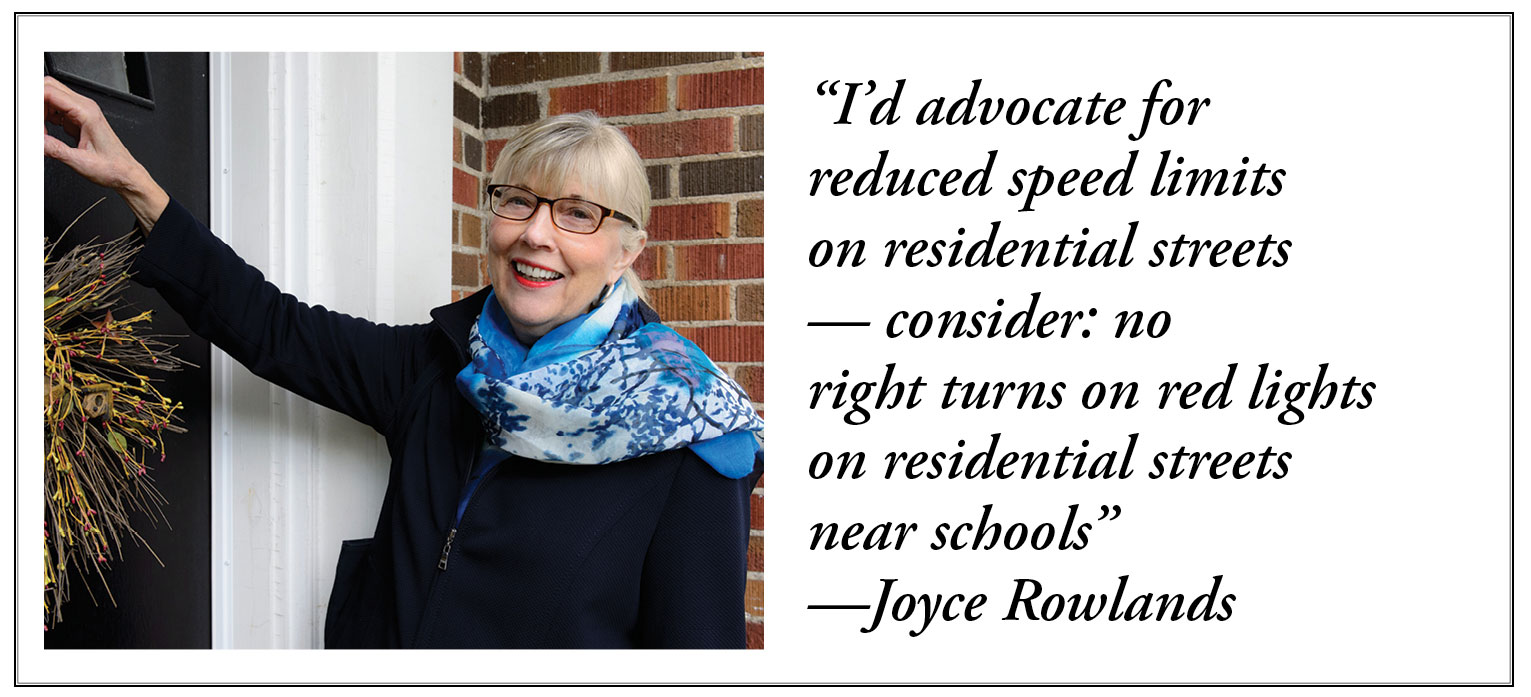
Joyce Rowlands: I’d advocate for reduced speed limits on residential streets — consider: no right turns on red lights on residential streets near schools. While promotion of extra-curricular activities is primarily a function of schools and school boards, I would endeavour to be accessible and responsive to residents’ concerns, and work with schools and school board colleagues to promote the interests of Ward 11 residents.
George Sawision: Redesigning streets is the first step to making them safe. Clear signage and markings are needed as well as a change to the way streets are used for vehicular and pedestrian traffic.
Nicki Ward: Safety is a central plank of my platform. We deserve a safe, walkable city for kids, elders, and those of us with mobility issues. I’ve made a clear commitment to accelerating VisionZero to end traffic deaths in our city. I pledged to support the TCAT comprehensive plan for Toronto (which includes specific guides to safer school policy).
As a director of the 519 Community Centre, I have first hand, practical, and successful experience with overcoming the funding and support challenges. Through the city’s AOCC system, we have been able to significantly expand services year-over-year. Beyond directorship, my relationship with the 519 and other community initiatives spans two decades — I am profoundly committed to delivering these services.
Small businesses in Toronto pay a disproportionate share of property taxes. Do you support greater equalization of the property tax burden so that residents pay their fair share? —Bloor Annex BIA
Layton: The burden and cost of running a city should not fall squarely upon the property tax base. Unfortunately, efforts to introduce fees and measures to offset the strain on the property tax base have been declined by either Toronto City Council or the province. In the absence of a diversified revenue stream, we must count on our property tax base to ensure we deliver the services residents of the City of Toronto expect.
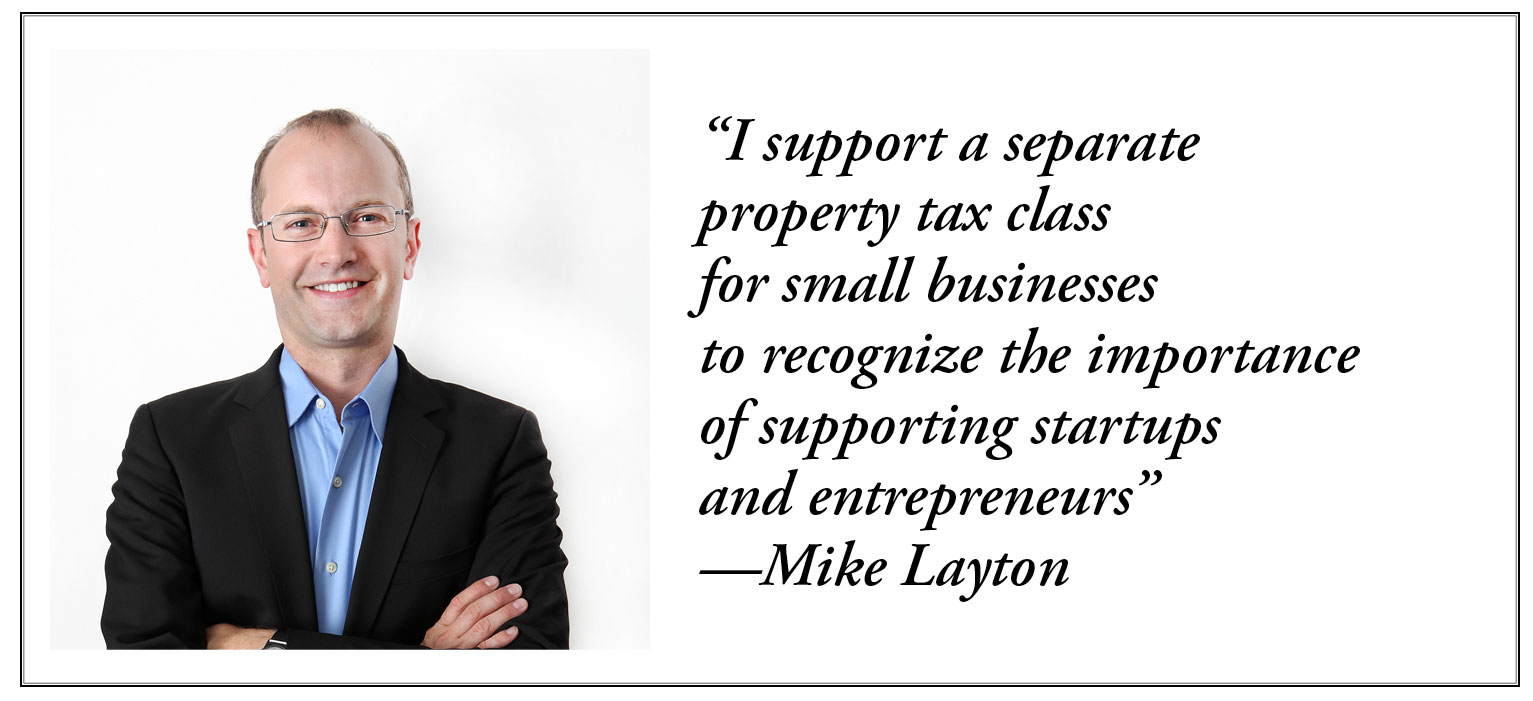
The city is in the process of reducing our small business property taxes to 2.5 times the residential rate, while also recently introducing a cap to non-residential property tax increases from recent reassessments, while we work to reduce the burden on small businesses. I also support a separate property tax class for small businesses to recognize the importance of supporting startups and entrepreneurs.
Rowlands: Yes.
Sawision: I have always advocated for fair taxation of small businesses. Unfortunately, council has always viewed small businesses as cash cows. Let’s be fair! We need small businesses. They contribute tremendously to our community.
Ward: I am a former director of our local BIA and a small business owner. I agree that small businesses face a number of unfair pressures imposed upon them by the city (including property taxes). As you are aware, this is in part due to an arbitrary property valuation system that can cripple businesses.
Small businesses are part of the fabric of local communities, add to our economy, and employ local people. We deserve better and I’m committed to a fair shake for local businesses. This does not mean increasing the tax burden of local residents. The city must seek alternative revenue sources as opposed to over-taxing its residents (and businesses).
Cormier: During the early days of the campaign, I met with various BIA members from parts of the ward who asked me that exact question. Taxation within the city has become too complex and unfair, there are too many loopholes and unfair practices. I will support the creation of a commission to investigate and hold hearings on this matter so that we can have fair taxes in our city. I will also support expanding the investigative and reporting role of the office of Ombudsman to Toronto so city council can benefit from non-partisan policy analysis and accountability.
How would you address the increase in crime from the shelters in our area? —Dupont by the Castle BIA
Rowlands: I’d ensure that appropriate community consultation is undertaken (and community input considered) before shelters are introduced into communities. I’d work to ensure there was a necessary police presence and responsiveness to concerns of local residents.
Sawision: Shelters have no place in residential areas. I prefer to work with the Centre for Addiction and Mental Health to better deal with this issue and better locations are essential to solve this issue.
Ward: Increased crime levels across our ward must be dealt with immediately. Some of this is achieved by better use of first-responders, more intelligent policing, and expanded use of paramedics for mental health and addiction issues (which form the bulk of call-outs).
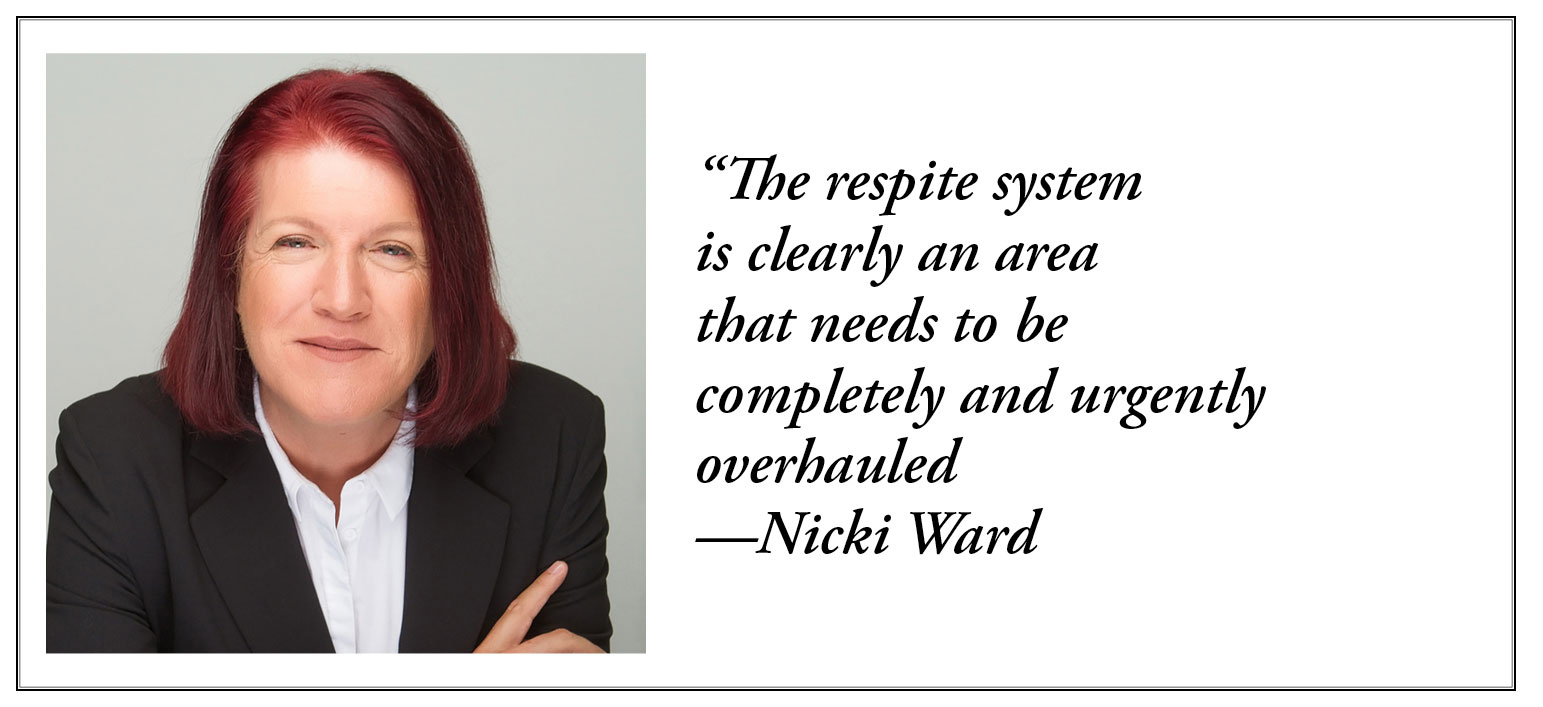
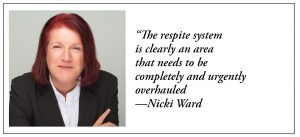
Hot spots like agencies that are poorly managed, poorly positioned, and which ignore their community responsibilities need to be called to account. The respite system is clearly an area that needs to be completely and urgently overhauled. It’s the worst of both worlds: shelter users are placed in dangerous, overcrowded, and inappropriate locations with no secondary care, and everyone suffers. These predictable (and preventable) outcomes are bad for shelter users and local residents alike.
Cormier: We need to give BIAs the ability to formally request a greater police presence in their neighbourhoods. Shelters should all be equipped with video cameras for the safety of the residents and the safety of the neighbourhood. I would also encourage and support any BIA that desires to make deputations to the Toronto Police Services Board on this very subject. Any increase in crime, even petty theft, must be met with determination and consistency — this is our version of the broken windows theory.
Layton: I developed strong ties to the site administrators of shelters to get a better handle on the issues the shelter faces and how we can meet the needs of the residents there. In [old] Ward 19, there were a series of shelters and a supervised injection service, and I worked with local residents and the service providers to set up community liaison committees to tackle issues before they became problematic.
With residents and the service providers working together I am confident we can mitigate the concerns shared by those in the community in a meaningful way that respects the dignity of life of those utilizing the shelter. I also advocated for mental health support for shelters from the province to ensure shelters have adequate levels of support.
Do you support BIAs being part of an advisory board for local community affairs? —Harbord Street BIA
Sawision: Small business helps create a community, so should definitely be part of the narrative.
Ward: As a former BIA director, I established a local advisory board that included our residents’ associations, local social service providers, the 519 Community Centre, community police, Toronto health, and community groups.
I am proud to say that 10 years on, it is more effective than ever. It deals with a broad range of community affairs and has added enormous value and resilience to the neighbourhood. I am completely convinced that this is the best and most practical way to help build complete communities.
Expanded local advisory boards have always formed part of my operational plan for better ward management.
Cormier: Yes. Absolutely.
Layton: Small businesses are the backbone of our vibrant city streets and work in partnership with the city to beautify our public spaces. Their membership can play an important role in effectively communicating the needs of the local businesses to residents and elected officials to ensure that decisions are not made without input from all stakeholders. I have been an active member of 12 BIAs over the past several years and regularly work with many of them to mobilize support for city wide initiatives.
Rowlands: Thriving business and commercial areas are vital to healthy communities! It is important that BIAs develop positive relationships with local residents’ associations, and work together for mutual benefit. As city councillor, I would try to facilitate such connections.
What modifications to the municipal government will be necessary given the reduction in the number of councillors? —Harbord Village Residents’ Association
Cormier: This is a daunting task. The new mega-wards are going to be a serious challenge for council and the city at large.
Layton: The reduction will require neighbourhoods and the city to reinvent local democracy. We will see a realignment of our public service boundaries so that they align with the new ward structure, and need to change the number of councillors serving on specific committees, agencies, boards, and commissions.
I would expect to see larger offices for each councillor and I would like to see more local civic engagement formalized through city council to give an even greater ability for local voices and concerns to be heard. I commit to working with local community groups, BIAs, and residents’ organizations to find a structural arrangement that empowers local communities and minimizes the workload for these volunteer organizations.
Rowlands: Increase staff for city councillors and possibly an enhanced role for community councils? Hard work to establish strong working relationships with residents’ associations and community organizations; responsiveness by local councillor and staff.
Sawision: In recent years 311 has been playing a major role in helping residents, I think that role can be increased. I will emphasize the role of a councillor is to listen and work with the community so that they have better access to city hall decisions.
Ward: A councillor will need more operational and administrative skills and residents’ associations are going to play an even greater, more integral role in policy making and city management.
With this in mind, and as a director our local residents’ association, I helped co-found the Downtown Residents’ Association Alliance. It is my intention to expand this model so that every part of University-Rosedale has access to a local residents’ association and can participate in localized decision making.
It is also my intention to seek matched funding, infrastructure support, and information sharing systems to connect all residents’ associations in our ward.
How will you strengthen democracy at the neighbourhood level, now that Toronto has 25 councillors? —Huron-Sussex Residents’ Association
Cormier: Solutions to this new mega-ward system might involve the creation of neighborhood councils that would provide input to councillors.
Layton: The city will need to overhaul its local governance model to ensure that local voices are not being ignored. This improvement to local governance could start with the delegation of smaller items to the existing community council structure, and the creation of local appointed bodies (the city cannot hold elections outside what is provided for in the City of Toronto Act) to deal with a variety of local matters, like street parking or pot holes. We must not be afraid to try new models and find out through experimentation what works for our communities.
Rowlands: Increased staff for city councillors, possibly an enhanced role for community councils, frequent community forums, build strong working relationships with residents’ associations and community organizations, responsiveness by local councillor and staff, and good listening.
Sawision: Residents have been cut out from city hall in recent years. You can no longer rely on city hall staff to answer all the questions and make decisions. Councillors need to return City Hall to full access for members of the public.
Ward: My operational plan is to distribute significant advisory, policy development, and management access at the neighbourhood level to strengthen democracy at the local level.
The basic building blocks to do this are largely in place (residents’ associations, BIAs, and community groups). Combining these into local advisory boards has been modelled successfully elsewhere. The city even has existing grants and support programs to help. There is a good foundation to work from and, it will need significant buy-in from all of the stakeholders.
How will you ensure that side street loading zones for businesses are prominent, visible, and clearly marked to ensure efficient and proper use? —Mirvish Village BIA
Ward: With greater intensification, ongoing development, and greater congestion in the Annex, staying on top of transportation issues is a challenge we can all help solve.
From the city’s standpoint, staying vigilant to the traffic impact of the local construction (particularly during this first season as traffic patterns react to changing conditions) is critical. Signage and enforcement will obviously help keep side streets clear. This can be greatly supported by coordinating with the BIA and local residents.
The Traffic Issue Log used by the Palmerston Area Residents’ Association is an excellent tool that could be replicated here.
Cormier: We need to put an end to Toronto’s sign algebra and use clear signage on street signs as well as on the pavement to delineate side street loading zones for businesses.
Layton: Transportation Services will need to review its service standards to ensure that pavement markings and signs are prominent and visible, while parking enforcement must work to ensure our local businesses do not have their loading zones disrupted by people parking their cars illegally.
I would support increases to the enforcement budget to make this possible. We must also look at putting resources into models of delivery that can reduce vehicle size and frequency while reducing greenhouse gases.
Rowlands: Listen to concerns of local residents, work with residents’ groups and the businesses concerned, bring parties to the same table, and work with council committee(s) to develop and enforce bylaws, work to ensure enforcement.
Sawision: Clear markings and a new bylaw will make loading issues a thing of the past. This is essential to ensure traffic and cyclists can move smoothly and safely.
What kind of development do you see as appropriate in our ward and how would you include low income housing? —Palmerston Area Residents’ Association
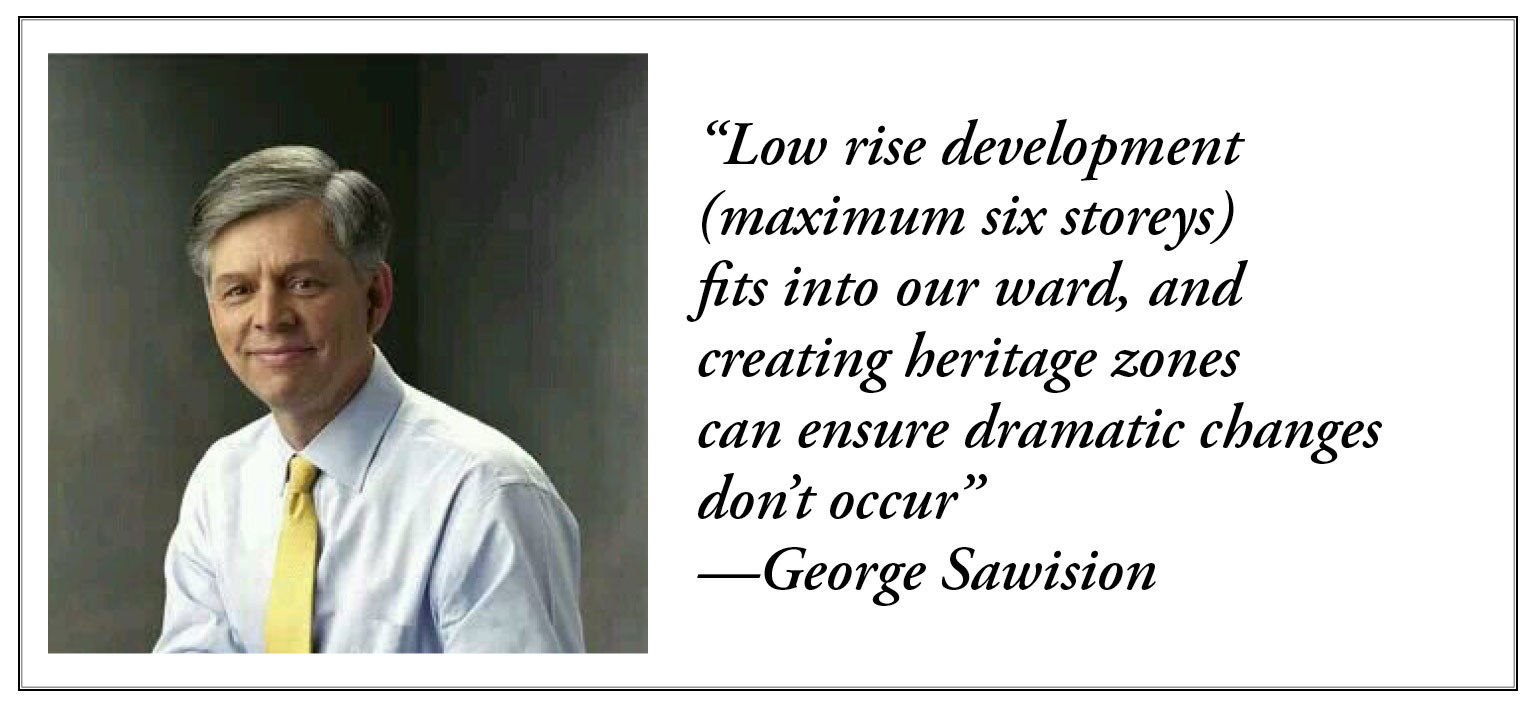
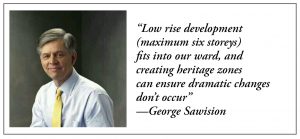
Sawision: Low rise development (maximum six storeys) fits into our ward, and creating heritage zones can ensure dramatic changes don’t occur. Low income housing will have to deal with rising real estate prices! Incentives can be provided for better rental projects and zoning for rental that fits the community should always be approved by local residents.
Ward: The first test of appropriateness has to come from the community itself. All development has to be viewed through the lens of local stakeholders.
I was directly involved in and a supporter of TOcore. This is a comprehensive planning vision that includes a significant portion of the ward and that I would expand to include the Palmerston area. TOcore describes whole neighbourhoods as ones that accommodate a diverse variety of people and housing types. Informed by this, my strategies for lower income housing are broad and include: negotiation with new developers, releasing TCHC inventory, relaxing basement rental rules, laneway ensuites, tax incentives, and more.
Cormier: We’re in the midst of a serious housing crunch and I will support a more aggressive plan to develop laneway housing. Toronto must reimagine its laneways as residential-friendly areas with forms of housing. I support taxing foreign and domestic homeowners who don’t pay taxes in Ontario. I also support a vacancy tax on investor-owned properties that are unoccupied.
In our ward, laneway housing could certainly open up a large number of single dwellings, most notably in Little Italy and the Annex. I would encourage the creation of such units through a property tax rebate.
Layton: I have been a longtime proponent of community-based planning processes and I led the city’s lobby to the province to enact inclusionary zoning practices into the Planning Act which requires new development to include affordable housing.
I believe strongly in new development respecting the existing character of the neighbourhood and getting community support and feedback before formal applications are made by developers to the city. I believe in being proactive on new development by conducting area studies to strengthen our Official Plan and have better control over the types of buildings developers bring to us.
Rowlands: Development should be appropriate to the local scale and streetscape of the neighbourhood, and heritage buildings must be protected. Affordable rental housing is badly needed in this city (we’re at a crisis point), and all communities need to play their part. Social housing should be fairly distributed throughout the city, with good access to the TTC.
READ MORE ON THE ELECTION:
FORUM: Take back Toronto on the 22nd (City Election 2018)
FOCUS: Should the public and Catholic boards be amalgamated? (City Election 2018)
FOCUS: TCDSB candidate queries remain largely unanswered (City Election 2018)
Tags: Annex · News
October 17th, 2018 · Comments Off on NEWS: Revealing reno in Wedgwood blue (City Election 2018)
Faculty Club building once home to Primrose Club
By Annemarie Brissenden and Ahmed-Zaki Hagar
Blue martinis, operatic voices, and fabulous food marked the University of Toronto Faculty Club’s grand reopening of its historic Wedgwood Ballroom on September 25. Formerly known as the club’s dining room, the space was renovated over the summer and has been renamed for the plaster mouldings that have been hand-painted in white and many shades of blue.
“It was time that we brought it to life,” said the club’s general manager, Leanne Pepper. “In the last 24 years, we maintained it to the best that we could,” she said. “On the balcony, the primrose flower, we never really saw it before. Since we have the most magnificent painters and artists that helped bring it alive, they highlighted that feature.”
That primrose is particularly special because it highlights an almost forgotten part of Toronto’s history.
For the Georgian Revival building that’s been home to the Faculty Club since it was founded in 1959 was once home to the Primrose Club, a club that served Toronto’s Jewish elite in the first half of the twentieth century.
Donna Bernardo-Ceriz, managing director of the Ontario Jewish Archives, explained that clubs like the Primrose were formed because Jewish people were not admitted to many of social and golf clubs in the city. This anti-Semitism extended to professional associations and medical institutions, and also led to the founding of Mount Sinai Hospital and the Toronto Jewish Medical Association.
“Most of this community would have come from Germany, Britain, and the United States prior to the great influx of Jews coming from Eastern Europe,” said Bernardo-Ceriz.
Founded in 1907, the Primrose Club was originally known as the Cosmopolitan Society, a social club founded by prominent Jewish businessmen.
The site’s history is even longer.
It dates to the 1790s, when William Willcocks bought the land where the building currently sits. He bequeathed it to his son-in-law, reformer William Warren Baldwin, who in turn named the road north of his estate at 1 Spadina Rd. after Willcocks.
Sir Adam Wilson, who worked with Baldwin, lived at 41 Willcocks St. until he sold the building to Elizabeth Prudence Campbell in 1888. She lived there until her death in 1916, and then 41 Willcocks St. was sold to the Primrose Club in 1919.
That’s when Benjamin Brown, one of the first Jewish architects to practise in Toronto, merged it with 37 and 39 Willcocks St., and transformed it into the building that stands today. With a lounge, ballroom, and dining room, the Primrose rivalled any of the city’s most prestigious clubs, and was significant to the Jewish community at the time.
“I imagine there was a great sense of pride in the building and the function that it served to the community,” said Bernardo-Ceriz.
Steve Macdonald, director of policy and strategic communications for the Centre of Israel and Jewish Affairs, said it’s important to remember Toronto’s anti-Semitic history. It hasn’t been that long since land covenants prevented Jewish people and other minorities from buying property in the city.
He pointed out that societal change came from the Jewish community working “in partnership with other minorities to combat discrimination of that time.
“It was the Jewish community and activists who took the lead and [challenged] this before the court,” said Macdonald. “And in the 1950s, the Supreme Court ruled that the land covenants were illegal and unconstitutional.”
Some form of anti-Semitism still exists today, he argued.
“There is a small minority that does have a negative view of Jews, and that is worrisome,” he said. “But we think [there has been] tremendous progress as a society.”
Pepper said that every once in a while the club will get a visit from someone who remembers the building’s previous incarnation.
“Some people visit and remember the history of the Primrose Club,” she said. “A lot of people are pleasantly surprised when they walk in and see how beautiful and how grand the ballroom is.”
And the Faculty Club keeps the memory of the Primrose Club alive in other ways too. There’s a Heritage Toronto plaque about the Primrose Club just to the right of the steps at 41 Willcocks St., and in 2009 the club renamed its second-floor cardroom the Primrose Room after receiving a gift from Estelle Creed Kaufman. Her father, Edmond Creed, was a member of the Primrose Club.
“She had fond memories of coming to the Primrose Club when she was little with her parents,” Pepper said. “And she wanted to make sure the Primrose stays alive.”
“It is important for us to look back to our history in Toronto,” said Macdonald. “[We need] to see…how people spoke up in a different era and said this is wrong. We need to have a more tolerant and inclusive approach to diversity.”
The University of Toronto Faculty Club is welcoming membership applications from community members who are not affiliated with the university. For further information, please visit facultyclub.utoronto.ca.
Tags: Annex · News