November 9th, 2010 · Comments Off on She said “Meow!”: Burlesque revival at Revival Bar

Natalie Fullerton - Aerialist and Fire Twirler – Will be performing at 'Swing Into The Night.'
By Eddie Mumford
It’s a cabaret! Or at least it will be, as locals and fans from afar purchase their tickets for the new vaudevillian show Swing into the Night.
The premiere at Revival Bar, will take place over the last three Sundays of November, featuring headlining swing bands like Danny & the D’ Notes. Featured each evening will be Lady Luck Productions’ very own burlesque trio, The Get Luckys (St. Stella, Trixi Jones and Red Herring), who will be entertaining audiences with their feats of sparsely-clad flexibility, as well as their attention to diversity (blonde, brunette, red-head).
Swing Into The Night will be the first official performance by the newly formed Lady Luck Productions, which is the combined effort of Patrizia Gianforcaro and Teresa Lombardi, who began collaborating in 2006 for Sing Sing, a similarly themed show. Now, the ladies are promising an energetic night of singing, dancing, comedy routines, aerial feats and acts of illusion. “We have presented a sneak peak of the show at the Junction Arts Festival in September and received amazing responses from the general public. They were dancing in their seats with smiles from ear to ear!
Just imagine experiencing the whole show. Wait, don’t imagine just join us!” wrote the ladies in an email.
With comedy team Parker & Seville hosting each night, the transitions between sexy and outlandish should be met with toothy smiles, all tongues positioned diligently in cheek. And if lady luck herself happens to notice you in the crowd, you may win one of the fabulous prizes, raffle style.
Too often when artists dip into the past for inspiration the results are chewy at best, but in the hands of such a swingin’ production team, the ladies and company are sure to be the cat’s pajamas. Tassels are pajamas, right?
Tags: Arts · General
October 26th, 2010 · Comments Off on Election results for your ward
In Ward 20, Adam Vaughan easily won re-election with 74 per cent of the vote. Mike Yen, whose platform was very similar to Mayor-elect Rob Ford, and whose message of “Stop the War on Fun” resonated with local fraternities and bars, including the Brunswick House, came in a distant second with 3,601 votes. Dean Maher, Roman Polochansky and Ken Osadchuck picked up 6, 2, and 1 per cent of the vote, respectively.
In Ward 18 (Davenport), Ana Bailao beat out Adam Giambrone’s former assistant Kevin Beaulieau by over a thousand votes, with Frank De Jong coming in third place.
In Joe Pantalone’s old ward, 19,which had nine candidates facing off, Mike Layton, environmentalist and son of NDP leader Jack Layton, won easily. He doubled his nearest competitor, executive director of the Chinese Canadian National Council Karen Sun, in number of votes. Sportscaster Sean McCormick came in third place.
Incumbent Joe Mihevc (Ward 21, St. Paul’s) was re-elected with 56 per cent of the vote. The rest of the voters mainly went with entrepreneur Shimmy Posen, who got 5,000 votes. His twitter status says he is now going back to Osgoode Law School.
In Parkdale-High Park (Ward 14), the seat went back to the incumbent Gord Perks, who captured 52 per cent of the vote. His nearest competitors, Ryan Hobson and Michael Erickson, took in numbers in the high and mid 2,000s, respectively.
Ward 27, left wide-open when Kyle Rae announced he was retiring, ended up being the most competitive council race, with 15 candidates. The winner, community activist and art gallery owner Kristyn Wong-Tam, beat her closest rival, former police officer Ken Chan, by just two percentage points (28 and 26 per cent, respectively).
In the public school board trustee race, Parkdale-High Park incumbent Irene Atkinson got 70 per cent of the vote, despite conflict of interest allegations directed at her. In Davenport, Maria Rodrigues secured her re-election with 54 per cent of the vote. Ward 10 saw incumbent Chris Bolton take 66 per cent of the vote to defeat his only competitor, Michael Sims, who took home 9,000 votes.
The one major defeat in our coverage area was in the race for catholic school board trustee. Catherine LeBlanc-Miller (Ward 9) was defeated by her lone rival Jo-Ann Davis. Despite the fact that Davis failed to show up to the one catholic trustee debate in the ward, she defeated LeBlanc-Miller with 54 per cent of the vote. LeBlanc-Miller was the chair of the scandal-ridden Catholic school board.
Barbara Poplawski (Ward 10), recently exonerated in a conflict-of-interest case, was voted back in with 34 per cent of the vote.
We all know how the mayoral race shaped up for the top three candidates. The Gleaner would like to remind our readers that many other people ran for this position. There were too many to list here, but we’d like to give honourable mentions to perennial mayoral candidate Kevin Clarke who got 1,400 votes, former Ward 19 candidate Himy Syed who got a lot of media support, and Annex resident Howard Gomberg, who rapped his way to 472 votes. Congratulations to all of the winners, and all of those who ran.
Tags: News · General
October 18th, 2010 · 3 Comments
By Khristopher Reardon
Ward 10 trustee candidate Michael Sims says he is shocked by the “level of corruption and opacity” at the Toronto District School Board (TDSB) following an investigation of incumbent Chris Bolton.
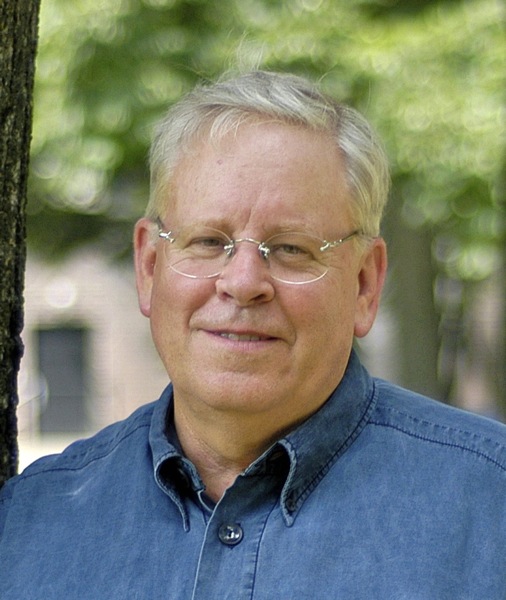
Chris Bolton
Calendars were handed to elementary students bearing incumbent Chris Bolton’s image and campaign website, which is a violation of TDSB election policies.
“I’m upset that the TDSB is refusing to enforce its own policies against trustees campaigning in the schools,” said Sims in a phone interview.
Bolton gave calendars to school principal Maria Pantalone at the Old Orchard Junior Public School (380 Ossington Ave.). Several parents complained when their children came home with campaign literature for Bolton.
Maria Pantalone is the sister of mayoral hopeful Joe Pantalone.
“You see there is a very incestuous, problematic relationship here with people named Pantalone—Joe and Maria, with people named Layton, with people named Bolton,” said Sims at an all-candidates debate at the Garrison (1197 Dundas St. W.).
Sims and Ward 19 council candidate Sean McCormick have openly accused council candidate Mike Layton of wrongdoing for campaigning with Bolton. “Mike needs to prove to the voters of Ward 19 that they can trust him, this is a good test of his character as it will show whether he will put the interests of the Ward ahead of the interests of the New Democratic Party,” said McCormick in a press release.
Sims says he is not surprised that it was Pantalone’s school where the offending calendars were distributed. “It’s clear that there’s a little bit of influence-peddling going on here and I don’t think it’s coincidence that Chris Bolton chose Ms. Pantalone’s school to distribute these flyers out.”

Michael Sims
According to a Toronto Star report, “Bolton said he delivered the cards to Maria Pantalone on Monday [Oct. 4] because he was ‘in the neighbourhood.’” Bolton told the Star he had been sick in September when asked why the calendars, which would normally go out at the beginning of the school year, went out in October.
In a telephone interview with The Gleaner Bolton refused to comment directly on any of Sims’ accusations.
“It’s not news, it’s been withdrawn, the letter basically says it,” said Bolton. “What we should be concentrating on is … policy.”
Bolton did issue an apology on his website. “This calendar, in error, had my campaign website address on it,” he said.
TDSB media representative Kelly Baker says the board has investigated the matter. She says no further action is needed since the TDSB stopped distribution of the calendars and an apology was issued by Bolton.
“The trustees do regular letters, so this wouldn’t be out of the ordinary for a school to distribute a newsletter,” said Baker.
Sims is seeking more information about the investigation which according to Baker took “a few days.” In an email to TDSB chair Bruce Davis, Sims asked the board to be explicit in explaining what actions they have taken. “Who determined that trustee Bolton’s actions were not, in fact, in contravention of board policies? Have you requested legal advice about the implications of the TDSB violating the Municipal Elections Act?” As of press date, Sims had not received a response. Repeated attempts were made by The Gleaner to contact Davis for comment, but calls were not returned.
Sims says he is very disappointed that the investigation has not yielded any action.
“You know I don’t have any access to go to the school and put flyers in kids’ backpacks. I can’t go to the school principal and give them a stack of flyers and say ‘Distribute these to all of the parents.’ It’s an abuse of power,” said Sims.
Bolton, who has been a Ward 10 trustee since 2003 believes the matter has been overblown. “Why would there be an investigation?” said Bolton. “It’s something that we’ve done for years, it’s not news.”
Tags: News · General
October 17th, 2010 · Comments Off on Toronto Election 2010: Ward 18
Ward 18 has a dozen registered candidates. Councillor Adam Giambrone is not seeking re-election. The Gleaner was not able to contact or find any information on candidates Mohammmed Muhit and Joanna Teliatnik.
Ana Bailão: Ran in Ward 18 in 2003; worked for five years in MP Mario Silva’s office (Davenport). Aims to increase the level of participation between councillors and their community, and ensure the councillor supports community initiatives. “When you work in partnerships with the residents, the best results come.” www.anabailao.ca
Kevin Beaulieu: Was executive assistant to Adam Giambrone. Aims to improve transit service with expansion, electric trains, and stabilizing fares. “I have been knocking on doors in this neighbourhood and have found that residents of Ward 18 believe in Mayor Miller’s vision of liveability, prosperity, and opportunity for all.” Source: kevinbeaulieu.ca.
Doug Carroll: Software developer and lifelong Toronto resident. Aims to “restore citizen control of our city,” by implementing changes that will increase transparency and public review for city services, and disclosure and consultation for city planning. “A regrettable class interest has developed since Megacity [sic], separate from that of residents.” Source: dougcarroll.ca.
Frank de Jong: Past leader of the Green Party of Ontario, TDSB teacher. Aims to institute self-funding infrastructure (the Bloor Street reconstruction between Avenue Road and Church Street was funded this way). Also supports a ban on handguns and merging the Catholic and public school boards. “Davenport badly needs more public squares, more parks, more car-free pedestrian walkways, and more walking bridges over the railway tracks.” Source: votefrankdejong.ca.
Abdirazak Elmi: Could not be reached for comment. Was previously running in Ward 7, but dropped out and re-registered in Ward 18.
Nha Le: Ran in the 2003 and 2006 elections in Ward 18. Has worked closely with Davenport MPP Tony Ruprecht for the last four years. Aims to ensure that all parts of the ward receive the same benefits. “Elder people, they need the parking spot. Handicapped people, they need the parking spot. You have to have a parking permit to park on the street. You took the money and you took the parking away. That’s illegal.”
Joe MacDonald: Has been involved in government and public affairs at all three levels of government, including campaign manager in more than 20 NDP election campaigns, in eight provinces. Platform centres on importance of public parks, good design for new developments, and more provincial funding for public transit. “As the Partnerships & Public Affairs Manager for the Downtown Yonge Business Improvement Area, I was involved in the process of bringing the downtown community together to revitalize Barbara Ann Scott Park.” Source: joemacw18.ca.
Kirk Russell: Owner and manager of a construction company. Platform centres around the “Three T’s” (traffic, transit, and taxes). Wants city hall to compensate the Dundas West BIA for loss of business due to the reduction in street parking. “For too long the concern of business owners with respect to the availability of parking, the request of vehicle drivers for more road space, the demand of transit users for the expansion of the public transportation system, and the right of cyclists to have their own bike lanes have been portrayed as being irreconcilable with one another.” Source:voteforkirk.ca.
Hema Vyas: Currently works for the Government of Ontario, advising on program efficiency for the Ministry of Training and Colleges. Aims to stimulate community involvement through non-traditional avenues and make meetings more convenient for the community. “From talking to people in the ward, they have issues and they’re not single issues. They have ideas about their ward and they’re crosscutting.” hemavyas.ca
Ken Wood: Has worked in several ‘middle management’ positions, but is currently on disability for severe depression. Worked as a city worker in prior federal and provincial elections and helped campaign for Giambrone in 2003. Aims to find alternative ways to bring supply trucks into the city to help alleviate congestion, and look further ahead with city’s financial planning. “You’ve got people wanting to contribute, wanting to spend their time, making suggestions, being constructive—and they’re being not only ignored, but sometimes when they bring things up they’re being labelled the ‘Lansdowne loonies’ or something like that.” davenportdemocracy.blogspot.com
—Compiled by Rebecca Payne
Who’s the boss: Four people who want Giambrone’s job
This article, about Ward 18 Davenport, was published in the April 2010 edition of the Liberty Gleaner.
By Jacob Arnfield
The biggest question regarding the future of Ward 18 (Davenport) was cleared up after incumbent Councillor Adam Giambrone announced that he will not be seeking re-election this fall, leaving the candidates field wide open.
“This was a difficult decision to make. While I will miss working for the neighbourhood and for the people of Toronto as a whole, I am excited about future opportunities to build the future of our city,” wrote Giambrone in a written statement.
There was much earlier speculation in political circles as to whether Giambrone would try to win his ward after dropping out of the mayoral race due to his recent scandal, or leave politics altogether.
Looking back on his time as a councillor, he said he felt he had accomplished much of what he originally planned to do.
He said there was still plenty of work to do for a future candidate, but “I ran in 2000 and I lost, so we did a document about what we wanted to do in the ward, and it’s kind of reassuring to go back and look at that document, and basically it [has been] done.”
He indicated that he would like to return to politics some day and will continue to be civically engaged. “I am excited by the possibilities a return to private life brings for new opportunities for activism and advocacy to help bring about a better tomorrow for all Torontonians,” he wrote.
When the Gleaner spoke with Giambrone last month, he defended his record of engagement with the community — something that each candidate mentioned as a main criticism they had heard from constituents they had spoken to. He said that because of a tremendous amount of change that occurred in the ward the last seven years, it was very difficult to appease all the interested parties and with so many projects, like the Dufferin Jog, the railpath, and many others nearing completion, there will be an opportunity to refocus on public consultation.
“The next councillor … is really going to have to think about maybe focusing—instead of leading change, or consulting on a new community centre—engaging back at a local level on norm[al things. You know you get sidetracked on a big project,” Giambrone said.
Giambrone’s executive assistant, Kevin Beaulieu will be running in place of his boss. We were unable to contact him by press date, but we spoke to four of the five other candidates who are registered: Ana Bailao, Hema Vyas, Ken Wood, and Nha Le. We were unable to contact Jack Triolo in time for this story.
Bailao ran in Ward 18 in 2003. She worked for five years in Mario Silva’s office, the previous councillor and current federal MP for Davenport.
Since then she said she has worked in communications and marketing in several sectors. Bailao immigrated to Canada when she was 15. Before working for Silva, she held jobs at local newspapers and radio stations. After leaving the public sector, she remained active in the community, working with DIG IN, Friends of Dovercourt Park, The Working Women’s Community Centre, and the Portuguese Canadian Business Federation.
Bailao has chosen to come back to municipal politics for the 2010 election to help increase the level of participation and partnership between city councillors and their communities. “I truly believe that the good work that is done in our neighbourhoods, in our community, is in partnership with the residents. When you work in partnerships with the residents, the best results come,” she said.
She said she wanted to ensure that the local councillor supports community initiatives, such as the excellent work done at Dufferin Grove Park. “We need a councillor that is up in arms with those community groups,” she said. “You have to help them get organized, even at the beginning.”
Some of her goals for the ward include more LEED buildings, encouraging local green initiatives, improving the settlement process for immigrants coming to Toronto, and helping the community continue to fight for the electrification of the Georgetown rail corridor.
The other candidate with previous experience running in Ward is Le. Le ran in the 2003 and 2006 elections in Ward 18. Le said he worked closely with Davenport MPP Tony Ruprecht for the last four years. He is now working full time to save for the campaign. Le does not want to solicit contributions because he has decided if he does not win this time around, he will return to China. “This time I will not ask anybody for a penny, because if I lose, I walk away,” Le said.
He said he wants to make sure that all parts of the ward receive the same benefits, and also spoke of the legal obligation the city has to its constituents that it does not always uphold.
He referenced the lane closures on Lansdowne Avenue and the reduction of parking on Dundas Street, “Elder people, they need the parking spot. Handicapped people, they need the parking spot. You have to have the parking permit to park on the street. You took the money and you took the parking away. That’s illegal. You break the contract already. You are the government but you don’t break the contract with the people,” Le said.
Vyas has not previously run for office. She currently works for Government of Ontario, advising on program efficiency for the Ministry of Training and Colleges, and is no stranger to community service. Vyas has worked with the June Callwood Centre for Women and Families, Culturelink, and Pathways to Education.
Vyas said her previous experiences in community building and policy creation give her transferable skills that will help find new approaches to problem solving for a city councillor. “From talking to people in the ward, they have issues and they’re not single issues. They have ideas about their ward and they’re crosscutting. When you get someone at a time that works for them, in an environment that works for them, it’s different than being in a hall in front of a hundred people where not everyone wants to get up and ask a question, or say what their perspective is,” Vyas said.
She wants to bring a new approach to the job. She said that she would try to stimulate community involvement by using non-traditional avenues—be they lunch teleconferences, MSN chats, or just meetings scheduled when it’s convenient for the community rather than the councillor. She also said she believes the key to good development
She wants to bring a new approach to the job. She said that she would try to stimulate community involvement by using non-traditional avenues—be they lunch teleconferences, MSN chats, or just meetings scheduled when its convenient for the community rather than the councillor. She also said she believes the key to good development is getting the public’s input, not just on what they would like the building to be, but also how they currently use the space in and around any proposed development. She would want the community to tell her how they commute, where they go on the weekends to shop, and so on. “A lot of those questions that don’t actually relate to the building itself are really important to the planning,” Vyas said.
Wood said he never had any political ambitions of his own. After being involved in politics at University he was turned off by “the backroom stuff that goes on.”
He said he has worked in several different “middle management” positions, but is currently on disability for severe depression.
He has stayed engaged with his community, working with Daily Bread Food Bank and Mainstay Supportive Housing. He worked as a city worker in prior federal and provincial elections and helped campaign for Giambrone in 2003.
However, he became upset with how Giambrone involved the community in decision making for the ward, and became the focus of a 2007 news story when he chained himself to a tree that was going to be cut down during the lane reduction project on Lansdowne Avenue. The tree still stands today.
He feels that the Lansdowne project could have been a success for everyone involved if residents had had an opportunity to be heard.
“It angers me no end. That’s probably why I’m running. It doesn’t seem like this should be the way that people live in a neighbourhood. You’ve got people wanting to contribute, wanting to spend their time, making suggestions, being constructive—and they’re being not only ignored, but sometimes when they bring things up they’re being labeled the ‘Lansdowne loonies’ or something like that,” Wood said.
Wood said he was quite interested in looking at some of the electoral reform ideas proposed by betterballots.to and ivotetoronto.org because, “there’s so many issues that need to be addressed here and they’re conveniently ignored by politicians that frankly, are in office way too long. When you hear decades of people being in office there’s something wrong. It’s a bad recipe.”
He said he wanted to look at alternative ways to bring supply trucks into the city to help alleviate congestion, and to encourage a better election in the ward by focusing the debate on specific local issues with a diverse group of candidates, rather than name recognition and the hot button citywide issues.
He said he would try to help the city begin looking further ahead with their financial planning and pay more attention to derelict properties in the ward.
There are still several months before the election will kick into high gear. Stay tuned for more election coverage.
If there is an issue or a question you hope to hear about directly from the candidates that will influence your decision on election day, please let us know by contacting gleanerinfo@ gmail.com.
[“How do the candidates feel about the way the Cineforum has been treated, i.e. its closure after Adam Vaughan praising its value?” BOLD]
[—Reg Harrt, Local artist, writer and Filmmaker ITAL]
[Vaughan: BOLD] One of the ways you revitalise a business district is through lots of little space for culture to thrive. It creates almost a self financing marketing draw, people come to cultural activities across the city if there is something special happening and its why I’ve created 20,000 square feet of new, non-profit cultural space. I think this is how you create business environments that are healthy. Reg had a particular problem because he was in a house. Houses can sometimes be re-imagined and reused for that kind of capacity, but you’ve got to talk to your neighbour and he was running a theatre with no exits. The city gets nervous about that, particularly in ward 20, with our rash of really tough fires. We tried to work with Reg to see if we could fix it, but he’s kind of a unique character. The reality is that what people like reg need is not a re-zoning, they need a non-profit commercial space. On the TIFF block, we put in 5,000 square feet of exhibition space for artists, as part of the film environment. Reg’s spot was a particularly difficult location and as much as I value his film library, there are fire regulations that have got to be met, because what we see in these older areas is that when one building goes up, it takes five or six with it and its just not something that as an elected official you feel very comfortable turning a blind eye to.
[Maher: BOLD] We need to go by the municipal bylaws. That’s the main thing. We need to look at when he actually started his business. Maybe he didn’t realize it’s been open an x number of years, or this turned out to be a small business where people do it out of their home. I want to go by the book when it comes to municipal bylaws, and then in these specific situations, these will be what I consider “one-offs,” look at this one individually and see what would be the impact on neighbours, on the residential [zone]. When you are on Bathurst Street, you can call it residential, but Bathurst is pretty much commercial, regardless if you own a house or not.
[Osadchuk: BOLD] It’s a total abuse of power, that’s all it is. You should just leave the guy alone. They’re doing it just because they can, it’s the same bullshit when some kid is flying their kite in the park and the city bylaw officers comes over and tells him they cant fly their damn kite. All of a sudden, you give these guys a little power and they become little dictators, they’re totally out of control. I’d tone the bylaw officers down for sure [and] quit persecuting these people.
[Yen: BOLD] I fully support our local entrepreneurs like that. The film industry, especially the local film industry, I’m really pushing. You have a small operator like this, who is willing to screen films and give exposure to the local filmmakers, I think that is awesome. If there’s some silly law in the way, it’s the law that needs to be removed—unless, it’s an issue that the community doesn’t want it to be there’s or there’s a safety issue. If he is running a safe operation, where people can watch the movie and there is not a brick falling on their head, then awesome. If the community wants it there, and you enjoy the films, then let’s do it. Supporting local independent films is done at the grassroots level and it’s amazing. If there is some stupid law, I would get rid of the law.
Tags: News · People · General
October 17th, 2010 · 1 Comment
There are nine contenders vying for the Ward 14 seat:
Gord Perks: Incumbent, won the ward in 2006 with 30.1 per cent of the vote against 14 separate challengers. Former columnist for Eye Weekly. During his term he has worked on securing and developing affordable housing in the ward. Also focused on upgrading public space infrastructure, including a dozen parks upgrades. Says he works to protect the heterogeneous nature of Parkdale, a community dynamic he believes is unique in the city. votegordperks.ca
Michael Erickson: A Parkdale resident, Erickson currently works as a high school teacher. His platform focuses on youth, “democratizing democracy” and the arts. “I find it most meaningful when I’m doing the work others are too scared to do.” www.michaelerickson.org
Ryan Hobson: Involved in the Liberal party, has worked on campaigns for all levels of government. He wants to empower tenants and create a city-wide plan to eradicate bedbugs. “It’s the municipal politician that can do the most to help the federal and provincial politicians, not the other way around. As a federal MP there’s not a lot you can actually do for your riding specifically.” www.ryanhobson.ca
Barry Hubick: Queen Street West Internet cafe owner. Wants to bring business to Parkdale, reduce crime, and focus on building and repairing roads and housing. barryphp14.ca
Jules- José Kerlinger: Currently works in insurance industry. Is critical of Perks’ voting record at City Hall, and thinks Perks has “rubber stamped everything Miller has done without question.” www.julesjosekerlinger.ca
Gus Koutoumanos: Bar owner in the Junction area. Says he would bring his expertise in running a business to his role as a councillor. www.gusforward14.ca
Cullen Simpson: Born in Parkdale, believes the community needs to work together to get better, and an increased police presence is needed. www.simpsonforcouncil.com
Jimmy Talpa: Has been running for councillor for the last thirty years. Says there are crime and drugs in Parkdale. “People like you should help ourselves.”
István Tar: Came from Hungary in 1980 as a political refugee. Believes council needs a department of autism, based on his experience with his 30-year-old autistic son. taristvan.webs.com
Bill Vrebosch: Works as a quality assurance analyst; his father and sister are both municipal politicians in Northern Ontario. Aims to create a better working relationship between the councillor and the ward through increased access. “When you look at these party-driven candidates who say they have no affiliation, there’s somebody driving their ideas and it’s not their own.” www.votebill.ca
—Compiled by Rebecca Payne
Crowded house: Candidates challenge Ward 14 incumbent
This article, about the Ward 14 candidates, was published in the Summer 2010 edition of the Liberty Gleaner.
By Jacob Arnfield
Incumbent councillors are rarely defeated in elections, which may explain the low level of competition for the position in wards that already have one.
Ward 14 (Parkdale-High Park) seems to be an exception, with eight candidates signed up as of press date. The Gleaner was able to speak to half of them: Councillor Gord Perks, Jules-José Kerlinger, Ryan Hobson, and Bill Vrebosch.
Perks won the ward in 2006 after Silvia Watson left the position to run provincially. He won the election with 30.1 per cent of the vote against 14 separate challengers. Before working as a councillor, he was a well-known environmental and transportation activist, and a columnist for Eye Weekly.
In his first term, Perks said his focus was to upgrade public space infrastructure, including a dozen parks upgrades and several major street renovations. He credited the success of those projects to increased community input.
Securing and developing affordable housing in the ward was another issue he worked on. As examples, he offered the Affordable Homeownership Program and the Edmond Place development of 29 supportive housing units for people with mental health issues. He said he works to protect the heterogeneous nature of Parkdale, a community dynamic he believes is unique in the city.
Perks wants to continue working on several projects that started during his tenure. For one, the city has implemented several new environmental programs, “But it’s time to deliver them full-scale so that we become the most sustainable city in the world. I don’t think we should settle for anything less than that.”
Community-led design work for the western waterfront has been completed and he wants to “work with the community to get it implemented, so that we have a waterfront that’s every bit as lively and exciting and beautiful and accessible to local people as the eastern waterfront.”
Kerlinger’s decision to run for city council came during the Toronto garbage strike of 2009. He was working in Ottawa as an intern in the House of Commons, and said that watching the situation unfold made him feel powerless and frustrated.
Kerlinger currently works in the insurance industry. He said his background—raised in a single parent household and working since the age of nine—will help bring a different perspective to the job. “I definitely have a sharply diverging view on things than per-
haps some of the other city councillors that may have come from middle class families.”
He hopes to “shift the agenda a little bit. It would be nice to get a fresh group of people in there.”
Kerlinger said the complaint he heard most often from residents was that Perks’ office failed to return phone calls. He was also critical of Perks’ voting record, specifically his relationship to Mayor David Miller. “There are going to be times where the Mayor’s agenda is going to go against the best interests of residents of Ward 14, and Perks has,
unfortunately, always rubber stamped everything Miller has done without question.”
Hobson is a commercial banker who moved to Toronto from Calgary six years ago. He became involved in the Liberal party and worked on several campaigns for all levels of government, which he said helped him get to know the city and the people. He said he
wants to make sure the right infrastructure investments are made now so that when his son grows up he will want to live in Toronto.
Hobson said that growing up in conservative Calgary helped him to work with people of all political stripes. He also wants to help bring the different levels of government in the ward together working collaboratively, rather than antagonistically. “It’s the municipal politician that can do the most to help the federal and provincial politicians, not the other way around. As a federal MP there’s not a lot you can actually do for your riding specifically.”
Hobson said that collaborative approach must also be fully embraced in the city’s dealings with its residents. “If you do something that discourages [constituents] from being involved again, you’re not doing your job as a politician, as a city councillor. You’ve done the exact opposite of what you should be doing.”
Like Hobson, Vrebosch moved to Toronto six years ago. He works as a quality assurance analyst in Toronto, and decided to run after having difficulties dealing with city hall. He grew up in a politically active family: his father and sister are both municipal politicians in Northern Ontario.
Vrebosch said he wants to bring the political know-how he learned from his father to Toronto to create a better working relationship between the councillor and the ward
through increased access. Unlike current municipal politicians he wants to “represent the people to city hall rather than representing city hall to the people,” he said.
Vrebosch said he is proud to be conducting his campaign independently, rather than working with any party machinery. “When you look at these party-driven candidates who say they have no affiliation, there’s somebody driving their ideas and it’s not their own. So how can you really take a neighbourhood and what it requires when you are being pushed and driven by party idealism? They’re basically steering you.”
One final topic, on which all the candidates agreed, was the need to continue to push Metrolinx and the provincial government for electrification of the Georgetown rail corridor on the ward’s eastern border.
Meet Michael Erickson: A teacher campaigning on an arts and youth platform
By Noel Grzetic
Michael Erickson entered the race for Ward 14 (Parkdale-High Park) on July 2 despite being advised against it.
“People told me that I shouldn’t run in Ward 14—that I couldn’t win against Gord Perks,” said the 35 year-old teacher. But as a Parkdale homeowner, he felt too connected with the neighbourhood to run anywhere else.
“Our area has a reputation as being one of the most socially active communities in Canada, and I wanted to be a part of that.”
Growing up in what he calls the projects of Ottawa, Erickson says he has a heart for youth and those in poverty. He says he worked most of his life to put himself through school, and laughs as he remembers the shock of having weekends free for the first time when he began teaching. True to his energetic nature, he’s found plenty of ways to fill the time, both through arts (he spent last summer teaching himself photography on a manual camera and building his own website) and activism.
“I find it most meaningful when I’m doing the work others are too scared to do,” says Erickson, who is on the board of directors for the Lesbian Gay Bi Trans Youth Line.
He does not belong to any political party, but describes himself as progressive.
“Leadership is service—it’s not necessarily governance. To be progressive means not to put the needs or wants of one small groups ahead of the larger group.”
A self-described activist, artist, and poet, he says he decided to run because he was disappointed with the other candidates.
“I felt that things were uninspiring and unimpressive,” said Erickson. “There was a lot that wasn’t on the table, like the arts community and youth.”
Erickson is a high school teacher at Harbord Collegiate Institute (286 Harbord St.), where he splits his time between English classes and programs to help those youth most at risk of dropping out. He has pioneered programs aimed at sexual and gender identity for young men. He has also been recognized for starting school trips to Ghana. His work has won him several awards.
“It’s quite amazing work—I blinked and it’s been ten years!” said Erickson.
He says he believes his experience as a teacher has prepared him for city hall. “As a teacher you have this relationship between the classroom and the system, and I think as councillor you have relationship between your neighbourhood and the city,” he said. “I think that I’ve been exceptional in trying to create things that have a system wide impact and the same time not abandoning the needs of your classroom or community.”
He says Ward 14 has been neglected by those in office, and he wants to spend more time at a local level addressing the needs of the people. He wants more ways for youth to tap into the arts community. He wants to encourage small businesses to share skills and grow together. He wants to fight the Metrolinx diesel train proposal, while protecting Transit City.
If elected, he plans to focus on children and youth programs, supporting small business, transit and “democratizing democracy”—in his words, making the issues in city hall accessible to the socially conscious people of Ward 14.
“The key is spending your time on battles you can win,” said Erickson. “It’s very simple for a city councillor to offer a few workshops in a year for small business—a lot of people can’t afford accountants.”
He’s already had much experience with similar programs in the community. He founded the Toronto Etsy Street Team, helping those who can’t work full time to make a living through online arts and crafts sales.
“I think the other candidates come from more traditional models of thinking,” said Erickson. “I think our area needs people who are willing to try things that work for the 21st century.”
Tags: News
October 17th, 2010 · 3 Comments
Compiled by Perry King and Emina Gamulin
The Gleaner asked you what questions you’d like the Ward 20 candidates to answer, and here’s what you came up with. Answers have been edited for space, and candidates are listed alphabetically, with the incumbent first. Roman Polochansky is also running but could not be reached for comment. He currently works as an adviser on technical policy and strategy support for HIV/AIDS, TB, and malaria, and volunteers at the Toronto/East York Local Health Committee. Ken Osadchuk has been interviewed, but a photo was not taken. Osadchuk has been an Annex resident for over 60 years. He worked in the Toronto Star mailroom for 35 years. He would read everything he got his hands on, and spoke frequently to journalists about a slew of different issues. Now retired, Osadchuk is sick of the continuing backroom dealings that occur at city hall, and is running to “clean up the waste.”
“How are the candidates going to help the small businesses on Bathurst Street deal with the commercial landlords not complying with property standards?”
—Susan Oppenheim, owner of Java Mama (1075 Bathurst St.)
Adam Vaughan: We’ve done that in two ways over the last four years. One is cutting business taxes and providing affordability to a lot of the small, particularly family-run businesses. The second thing that we’ve done is we’ve doubled the number of BIAs. But as to how we get the licensing standards enforced, part of it is giving people options, part of it is when it is opened, it’s enforced properly. We’ve run programs with the BIAs, with the licensing inspectors, to provide educational platforms so people know what their rights are, but also know how to get enforcement. When stores have issues with landlords we try to bring the landlords and the owners together without getting into the position of having to fine people, but rather find a common ground to move forward. When I took office I think there were three BIAs in the ward; now there are nine, so we’re aggressively pursuing these … it works better when there is a BIA.

Elected in 2006, Adam Vaughan is Ward 20’s incumbent candidate. Prior to being elected, he worked as a journalist for CityTV and CBLT, covering city politics. A resident of the Queen and Bathurst area, Vaughan comes from a political family. His parents fought to stop construction of the Spadina Expressway. His father, Colin Vaughan, was a journalist and former councillor, and his mother, Annette Vaughan, worked at the Canadian Environmental Law Association.
Dean Maher: We have to deal with the Municipal Licensing and Standards committee, and we have to deal with fake landlords, force them to uphold whatever standards [there are]. It’s all licensing and standards and bylaw enforcement. If those issues ever came into effect, I would hope that [Oppenheim] would contact whichever councillor was elected, and if the landlords are not helping her, then we use the office of the city councillor to enforce any regulations or requirements that are needed. When it comes to helping the business, there’s really nothing we can do to help with sales, but for the bylaw enforcement, that is something that we can help out with—so that everything is up to standard.
Ken Osadchuk: I really think that is a city problem, that they have bylaw enforcement officers to enforce the city bylaws. They can’t find the landlords to enforce it, there’s probably another company running it. If you can’t find the landlord to enforce the bylaws, it’s a problem … How are you supposed to find the landlord, who’s in Florida, probably. It’s a tough question because you’ve got to find the guy first, and hit him with these bloody notices to do this, fix this, enforce this bylaw. What does the city do? The city has the power to fix something, maybe put it onto their taxes, and seize the property for non-payment of taxes up the road if things get really nasty. Legally, they can, if they’re obstructing or breaking a bylaw. But really, where are these bylaw enforcement officers, I heard they hired about 60 of them. Where are they?
Mike Yen: It’s about talking together, it’s not about slapping new bylaws or slapping on fines. We need to ensure that the people are safe in these buildings, that there are proper codes in place. I don’t know if it’s an inspection problem or something like that, maybe we need to get on the inspectors and find out what was missing and what went wrong. Maybe it’s a matter of inspection, but if a landlord has not done what they’re supposed to do, the city should definitely jump in.
“A councillor’s effectiveness is directly influenced by his working relationship with his fellow councillors and the mayor. Please tell us how you would win the support of your fellow councillors and why you think they would accept your leadership and direction.”
—Neil Wright, chair, Harbord Street BIA
Vaughan: I haven’t lost a vote in four years, on any issue, even the most controversial issues. I have a strong working relationship with councillors in every corner of the city, on every side of the political divide. You cannot find a vote of mine that didn’t win easily whether it’s new restrictions on the club district, whether it’s heritage conservation status, whether it’s planning applications … every one of those initiatives have been supported at council. The only person who votes against my ideas at city hall is Rob Ford. Virtually every time I have a vote, it’s 35-1 or 44-1, and it’s unanimous when he doesn’t show up.
Maher: For that, I think I can work effectively with anyone. The main reason is that we all have one goal, to make the city a better place. I, personally, am never a person who gets affected by personalities. When I moved to Toronto in 1995, I started in the customer service industry … Personal things directed at me are not an issue. My ultimate goal is to work with people so there’s a cohesiveness, where the whole city works. When you take away personalities, everybody who runs for government—whether you agree with their ideas or not—they’re there for one purpose, that they have a calling, to make the neighbourhood a better place.

Dean Maher has lived in Toronto since 1995. Born and raised in St. John’s, Newfoundland, Maher pursued his post-secondary studies in business management marketing, and authored a children’s book. Maher has been working in the telecom industry since moving to Toronto. Maher’s Ward 20 accomplishments include helping found his condo’s first neighbourhood association, proposing a new city bylaw to ban the sale of cats and dogs in Toronto pet shops, and helping to facilitate a new relationship between the Bathurst Quay Neighbourhood Association and the Toronto Port Authority.
Osadchuk: They probably wouldn’t accept my leadership and direction, but you elected a leader, which is the mayor, and it would have to go to a vote—it’s a democracy, right? There would be a lot of “You pass my stuff, I pass your stuff”—that’s the way they’re doing it now. It can be done. If it’s a reasonable request, I don’t see any reason why anyone wouldn’t pass it … I’m sure you want to get things in your riding, I want to get things done in my riding.
Yen: I’ve been meeting with several candidates across the city and we get along great, we all want the same thing. We want to reduce the waste at city hall, to make sure small businesses are taken care of and have the ability to thrive. It’s common sense, and part of that is having a more open process at city hall.
“Residents of Ward 20 value the urban forest for the many environmental and social benefits it provides. If elected, what would you do in the next four years to maintain and enhance our urban forest?”
—Janet McKay, executive director of the Local Enhancement and Appreciation of Forests (LEAF)
Vaughan: The tree protection bylaw is critical. The work that the Harbord Village Residents’ Association has done, where a tree census is being done, where every tree in the neighbourhood is counted, catalogued for species, evaluated for health, and a tree planting strategy accompanies it, is an amazing, amazing process … [I would] spread this notion of the tree census and get data so we know where trees are most vulnerable, so the replanting strategy starts now before we lose the canopy. I think the figure is that within 25 years, 40 per cent of the canopy will have died, and if we don’t start replanting that canopy now it will have disappeared forever. It’s a very different thing to resurrect canopies, you can sustain them with planting strategies but once you lose them—trees grow in a forest for a reason, they need each other for protection.
Maher: First of all, it wouldn’t be in four years, it would be immediately. I live at Front and Spadina, I live in a condo. Behind my condo, there are the railways—like directly beneath me. Air quality is a huge thing for me, and I want to see “pollution-fighting” trees planted throughout the ward. It does increase property value, and it looks pretty, but the main thing for me is for the air pollution. I am an asthmatic, and this year alone for the first time in ten years I actually was in the ER at St. Mike’s having a severe asthma attack—so the pollution is getting worse here. I want to see, especially with new parks, more forestation … That’s my personal barrier from another asthma attack at St. Mike’s.
Osadchuk: I don’t support that they remain, where they are planting trees, spending all that bloody city money on trees, and then encasing them in concrete where they’re going to die. They bloom for one year, and are replaced again the following year. You’ve got to give them some water. I went to buy some plants for my girlfriend. I asked them, “Do I have to water this thing, this mulberry tree?” She said, “We lost our water table; we don’t have a water table anymore.” It’s just bullshit, right? There has to be enough space around the tree so it has a chance to live. These trees are all going to die, the way it’s set up now. It’s too bad, it really is too bad.
Yen: There’s a lot of great initiatives going on right now. This program is happening and it’s working. It’s not a matter of what I’m going to do to change it, it’s let’s just keep it going. If it’s not broke, don’t fix it.
“What would candidates do to harness the power of neighbourhoods and what specific new roles could we expect neighbourhoods to play in initiating and implementing policies under your leadership?”
—Tim Grant, chair, Harbord Village Residents’ Association
Vaughan: When we reformed the planning process in the ward, we hired Ryerson students to do a planning program with residents and the BIAs to remap the ward and re-invision the direction in which growth in the ward should be managed. All of that was driven with the community and, as a result, not only have we got more predictable and better development, but also the developer now knows where neighbourhoods stand on issues. We haven’t gone to the OMB in four years, which is an extraordinary achievement that has saved the city about $8 million in legal fees alone … The reality is, the best ideas in this ward come from neighbourhoods. One of the things we talk about is the notion that we don’t bring our problems to city hall in Ward 20, we bring the solution to city hall.
Maher: My thing is about making Toronto work by bringing city politics back to the people and neighbourhoods. I want to see a city where the neighbourhood associations tell me the problems before they actually become problems. Where I live, there’s a traffic issue, especially around the intersection. Eventually, it’s going to come to an issue where it’s going to be brought to the city, there’s going to be enough complaints and so forth. Whereas I would like to see neighbourhood associations, or even a board of directors from a tower say, “We are noticing this issue, can we work to get this resolved?” If elected, my office can work on something before it becomes an issue … One thing I would like to do, if elected, is probably every quarter meet with the neighbourhood associations just to get an idea of what’s happening in the neighbourhood.
Osadchuk: So he’s talking about having a neighbourhood committee … If we’re not listening to the people in the neighbourhood and do what the hell we want, we shouldn’t be in office. That’s what happened on St. Clair. One hundred per cent somebody looked the other way, and let that go through because it doesn’t make any sense at all. It’s just so confusing, businesses are weeping. Something happened there, that is just—from something like $40 something million to $120 million. What the hell is going on there?
Yen: I’d like to get more people involved. Sometimes, when you go to these residents’ meetings, or these biz meetings, there are so few people that show up, and there has to be some initiative to get everyone there because otherwise you just get a small voice of the community. We’ve got to promote it more, let the people know, “Hey, this is important. This is what is going into your community, come out.”

Mike Yen is a “proud Canadian and Torontonian.” With a history degree from York University, Yen has been working with the Canada Revenue Agency for the last nine years. Since 1991, he has been active in community sports. Yen’s father retired from Toronto Police’s 52 division this year, three members of his family are police officers, and other members of his family are in public service. Yen believes a public servant should serve the community—and not the other way around.
“The city’s new bin-based garbage collection system is deeply unpopular in neighbourhoods such as ours where there is little room to store the bins out of sight. Stored in front, the bins have made our streets ugly all the time, and impassable on collection days. What will the candidates do to ensure less obtrusive garbage collection?”
—Tim Grant, chair, Harbord Village Residents’ Association
Vaughan: I didn’t support the bidding program, I felt it was a one size fits all solution to a problem that was better solved with technology referred to in most places as garbage bags. There’s been a lot of talk in this election that the suburbs feel that they haven’t been listened to; I can tell you, when it comes to garbage, the downtown hasn’t been listened to. We’ve been trying for two years to figure out how to get apartments over stores served properly. They can’t do it. We’ve been working to solve a couple of problems. One is to aggressively get garbage bags permitted in the downtown core and we’ve been enrolling houses and especially Victorian row houses to get this done. The second thing is that we think that the bins should be put on the curb so the sidewalk remains clear. It’s a problem when it comes to parked cars but we think the other side of the road is the spot to do it, you can just go down one side of the street. But use the road, not the sidewalk to store the bins.
Maher: To be honest, that’s something we have to look into and find other solutions. I don’t see how you can make those bins look any better, if you don’t have the storage for it—I’ve seen people put it on their porches. Maybe we could find more attractive looking bins. Maybe we could find more bins that fit into the outdoor landscape, the same way we have city furniture, where the furniture was ugly before so we got better city furniture. I can’t promise how to make them look any better.
Osadchuk: You know what I’d like to do, I’d like to get rid of all the goddamn furniture, and just have a garbage can. Just throw the damn bag out there. It’s such an easy thing to do. I’d look into it with the separating this and that, but I don’t think it works. You have to prove to me that it works. I can’t see recycling, all this stuff, working out. Maybe it does work, I don’t know. I definitely have to look into that. But, I am anti three garbage cans. Like I’ve said, where do you put these damn things? These people, they have properties with 15 feet in front of their house, they’re built right up like townhouses; where the hell do you put the garbage cans?
Yen: I think that was a planning disaster … We can’t have our streets looking like this. Toronto is a tourist destination for not only Canada, but for North America and the world. At all times, we have to make sure our streets look good. We have to design a new bin or have more garbage collection or have some sort of holding site built, but this issue has to be addressed.
“What are your plans to make the sidewalks in Chinatown more walkable? Will there be space-restrictions placed on street-merchants?”
—Karen Shay, OCAD student, resident of Chinatown
Adam Vaughan: We’re currently revitalizing Dundas. The goal is to create pedestrian capacity, a balanced street. There’s two things that are being dealt with there: one is more generous sidewalks which will create a more orderly vending, the second thing is, if you go to Scadding Court right now, you’ll see containers that ring the north side of the building, they are shipping containers that have been converted by a local architect with the support of my office and the community centre to create small vending opportunities that are more orderly and more structured. So we’re bringing order to the vending, we’re building stronger sidewalks through a public improvement program that we’ve financed, and we’re looking towards those improvements with consultations with [community] residents. There’s a group of illegal vendors who plug [an intersection in Chinatown], we’re looking to relocate that group into a sort-of market area near Scadding Court with defined vending booths instead of the informal way in which they present themselves now. It also includes a rebuild of the plaza in front of 52 Division.
Dean Maher: That’s a hard one to deal with because with Chinatown a lot of the business is actually street-friendly. It’s pretty difficult to increase [the size] because we have the bike lanes, roads, the dedicated streetcar lines. There really is no room to increase sidewalks. If it gets to a point where you’re actually walking out into the road, that’s something that needs to be brought to the attention of the city. Maybe we can look at ways of making the sidewalks more business and pedestrian-friendly. An example would be where they have the bins in the food market—where they sell fruits and vegetables—maybe we can make a requirement that those are more stackable, more shelf-like instead of having that protruding out on the sidewalk. Things are being put on the sidewalk for sale—which is not a problem, [but] we may move in a more vertical way than having it extend onto the sidewalk.
Ken Osadchuk: That is a big problem. A lot of people here on Boswell have cars parked out front. The city allows front parking, so they can increase the taxes, but then the people can’t get by with a wheelchair—especially in the winter. In the winter, people have nowhere to shovel their snow; the path is blocked on both sides of the street. I suppose in Chinatown, you also have vegetables and all kinds of stuff. It’s brutal. I don’t think there’s enough space for everything. I think it’s only going to get worse. I don’t know what to do about that. What do you do: say you have to send an army? Are you going to give tickets, and beat them back and say “You’re only allowed so much?” I would read the bylaw, to be sure. I think I would give them warnings to say, “Okay, this is as far as you can come out.” You would have to review that and I’d have to come out and take a look at it.
Mike Yen: Yes, Chinatown has been a big focus lately. I’ve been meeting with the leaders of the Chinese community to discuss this, and some of the police officers in the area. The thing is, the street vendors are the nature of Chinatown, and kind of what makes Chinatown. We need to ensure that Chinatown keeps its heritage, to ensure that shopkeepers are still able to sell their products, but of course, yes, there is an issue of pedestrians and making sure they get by. What I would do in that situation is I would reach out to the community, which I’ve done, and ask for a solution. One solution is setting up a small farmer’s market, where these individual stores can set up their tables off of the sidewalks, maybe in a parking lot or some public property. That way, they don’t interfere with pedestrians going up and down. It’s the Chinese community that really needs to discuss this and come up with a solution.
“Are there any plans to make car-free-zones in Kensington Market?”
—Karen Shay, OCAD student, Chinatown resident
Vaughan: We have made permanent Pedestrian Sundays and got financing for that, and are looking to build the infrastructure to do more. We also have spread the program to Baldwin Street to make Baldwin car-free on Sundays. There is a debate amongst the merchants in Kensington as to whether or not [car-free zones are] a good or a bad thing, and we’ll let the BIA bring it forward and expand the capacity. What we’re really doing though is south of Kensington, with the revitalization of Alex Park. We’re actually bringing Kensington and driving it south to Queen Street through a new parks system, and the new housing project. There’ll be new commercial opportunities including some of these not-for-profit commercial spaces for emerging artists to build a market environment in a neighbourhood that is already car free. You’ll have a car-free permanent market built south of Kensington to add to the capacity of the neighbourhood, but also to take advantage of the one car free neighbourhood we have in the ward and give it more commercial vitality.
Maher: I would like to see the car free zone extend through the late spring to early fall. When I’ve been to Kensington market during those Pedestrian Sundays, there’s enough foot traffic that could easily warrant a seasonal closure. The only thing that we need to take into consideration is that we need to make room for delivery trucks that move in and so forth. There would have be a certain time slot where people have to realize that the delivery trucks are coming. Usually, we can do it in the morning or the late evening and just give the afternoons to the pedestrians.
Osadchuk: There’s a hospital down there, city parking, a few cars parked on the street, you need delivery, so you need trucks down there. There’s a parking lot right in Kensington Market. It’s a lot of cars. That might not be a bad idea to make it a car-free zone, maybe try two or three streets in there. The problem is that people live down there, too. Where the hell are they going to park? It’s a tricky question because you’re not going to please everyone on that one, no matter what you do. If I was living there, I had my car there, and I had my room there, and then I can’t park there? I would just move out, even though I love it there. I could try it one street, where the park is. I think if they had more subways, they wouldn’t have all these problems. There wouldn’t be all these damn cars.
Yen: Oh, I would like to do that; I am all in favour of that. Pedestrian Sundays are great, and I guess that’s in part with Chinatown. I would like to see that in Chinatown as well. I’m all for those festivals, these pedestrian festivals where you shut down the streets on a Saturday and Sunday, and we can bring the people out there. It brings tourism to the area, helps local businesses, and brings vibrancy to the area that the residents also enjoy.
“What would you do to improve cycling conditions in our ward and our city?”
—Vanessa Ring, Annex resident, creator of the Annex-centric blog ringaroundthecity.blogspot.com
Vaughan: We started a Ward 20 cycling reference group and you can sign up for and participate in at my office. If you look at Harbord Street right now we’ve repaved the bike lanes and we’re strengthening the capacity through this area. Even though it’s not a continuous bike route, sharrows are coming in. Painted intersections and the city’s first bike boxes are coming in on Harbord to strengthen the bike capacity. The initial report on the Bloor Visioning Study recommended against bike lanes on Bloor Street. I worked with residents’ associations and the Clean Air Coalition to show the value of cycling along Bloor and we’re now looking at how to design and create capacity for biking on Bloor to complete the citywide bike lane. We changed the visioning study to accommodate that, as it’s an important piece of infrastructure. The other critical issue is the north-south flow, and in particular in the south end of the ward, because we have a lot up in the top end with St. George and some other streets. We’ve moved, I think eight bike lanes forward in this cycling plan.
Maher: We need to connect them, period. Second, I want to resolve this bike issue once and for all. It’s more of a safety issue, to me. Biking cuts down on congestion, the number of cars, it really is a safety issue … All bike lanes really do is they offer people a safe area where they’re not going to be hit by a car. What I would like to do is hire a private company just to go out there and out in those dedicated bike lanes, for every street. It doesn’t matter, we’re using them now and we need to put that in there. If the street is not wide enough for a bike lane, we need to put up a sign or something that informs people that this is now covered by a bike lane. If we can’t put a bike lane on a street, that we give drivers the option just to say this isn’t a bike lane street.
Osadchuk: I would have bike lanes, but they shouldn’t be on main streets. These people are going to get killed. Like St. George is good, I wouldn’t put them on Bathurst. I’d put them in the park areas, where you can bike without getting killed. I think this bike lane thing is not going to work. I remember when they first put the crosswalks in. The first thing that happened, they didn’t have the lights or the push button thing, and a little girl, I think she was five years old, got hit by a car. There’s a place for bike lanes, but it’s not Jarvis Street, because you’re going to have traffic congestion.
Yen: I’m not a cyclist, and when I started looking into this issue, I was surprised by how many cyclists there are. What shocked me even more is looking at the ward map of bike lanes, there is a huge hole in Ward 20; these bike lanes do not connect. We need to have continuous bike lanes. It’s for the safety of the people. I witnessed three cyclists getting carried off in an ambulance this summer alone, and that is just from walking the streets. It is a priority because people’s lives are at stake. If we have continuous bike lanes, that will solve the problem. Where to put them is another issue.
“Do you have ideas to help Bloor Street Annex businesses thrive? The strip seems to be suffering lately.”
—Vanessa Ring, Annex resident, creator of the Annex-centric blog ringaroundthecity.blogspot.com
Vaughan: We’re going to work with the BIA to try and find a diversification strategy for Bloor Street. Part of that is a redesign of the street, a vision for how to accommodate that. The second is fighting for tax relief. The caps on downtown businesses come off in this next term of council and we’ve got to fight the suburbs and re-establish those caps to make running a business affordable on Bloor Street. The BIA works with us to manage some of the negative impacts that large nightclubs are starting to have on the Annex. I talk to residents north and south of Bloor Street who are now afraid to walk on the streets Thursday and Friday night because of the behaviour of one particular business. So we’ve stepped up enforcement and we’ve really managed the growth of the liquor licence capacity on the street to try and stop the problem from getting any bigger.
Maher: I think the perfect example of a really great street district for business and everything is Spadina Avenue. It has streetcars, four lanes of traffic, bike lanes, a massive amount of pedestrian traffic, vendors that sell on the sidewalk. One of the things I am sure of is getting rid of one side of that street parking—not residential, street parking is street parking for them—on major thoroughfares. We really don’t need parking on streets because all it means is people take their cars, it causes congestion. We can even put more buses up and down Bloor-Danforth, in addition to the subways, to create a more of a pedestrian-cyclist throughway when you have that many people walking around there. Getting more foot traffic and cyclists is good for businesses, and that would be my focus for outdoor businesses.
Osadchuk: The subways, we have good subway access. I use it, but I don’t know. That’s [Bloor between Bathurst and Spadina] booming, isn’t it? I love that area, you can park your car there, and you’ve got all kinds of parking. I don’t think they need any help at all there. So, what is [Ring] talking about, planting some trees there, or something? A couple of stores did close, but I thought it was because of high taxes. I know the city had hit the small businesses with property tax increases, and now they just reduced them three parts. The businesses are taking off, they’re losing all these businesses, where I used to buy my ham and meat and everything. Those are owned by landlords and are rented out to people. She is saying that the businesses are suffering, I just can’t believe that. It must be the economy. I think it’s a great neighbourhood and it’s thriving. I don’t know how to improve it at all, it’s doing well. If anything, they have to reduce their business taxes.
Yen: In part, they are taxed far too high. Secondly, these new bylaws that have been initiated restrict their growth. Third, what are we doing to promote them? We need to promote them more, we need to make them destinations where people want to go. Let’s do a street festival, let’s put some money out there to promote tourism outside the city. It’s about promoting the local, small businesses. The businesses are crying that they need help, and somebody has to come in and help them out.
“How do the candidates feel about the way the Cineforum has been treated, i.e. its closure after Adam Vaughan praising its value?”
—Reg Harrt, Local artist, writer and Filmmaker
Vaughan: One of the ways you revitalize a business district is through lots of little space for culture to thrive. It creates almost a self financing marketing draw, people come to cultural activities across the city if there is something special happening and its why I’ve created 20,000 square feet of new, non-profit cultural space. I think this is how you create business environments that are healthy. Reg had a particular problem because he was in a house. Houses can sometimes be re-imagined and reused for that kind of capacity, but you’ve got to talk to your neighbour and he was running a theatre with no exits. The city gets nervous about that, particularly in Ward 20, with our rash of really tough fires. We tried to work with Reg to see if we could fix it, but he’s kind of a unique character. The reality is that what people like reg need is not a re-zoning, they need a non-profit commercial space. On the TIFF block, we put in 5,000 square feet of exhibition space for artists, as part of the film environment. Reg’s spot was a particularly difficult location and as much as I value his film library, there are fire regulations that have got to be met, because what we see in these older areas is that when one building goes up, it takes five or six with it and it’s just not something that as an elected official you feel very comfortable turning a blind eye to.
Maher: We need to go by the municipal bylaws. That’s the main thing. We need to look at when he actually started his business. Maybe he didn’t realize it’s been open an x number of years, or this turned out to be a small business where people do it out of their home. I want to go by the book when it comes to municipal bylaws, and then in these specific situations, these will be what I consider “one-offs,” look at this one individually and see what would be the impact on neighbours, on the residential [zone]. When you are on Bathurst Street, you can call it residential, but Bathurst is pretty much commercial, regardless if you own a house or not.
Osadchuk: It’s a total abuse of power, that’s all it is. You should just leave the guy alone. They’re doing it just because they can, it’s the same bullshit when some kid is flying their kite in the park and the city bylaw officers comes over and tells him they cant fly their damn kite. All of a sudden, you give these guys a little power and they become little dictators, they’re totally out of control. I’d tone the bylaw officers down for sure [and] quit persecuting these people.
Yen: I fully support our local entrepreneurs like that. The film industry, especially the local film industry, I’m really pushing. You have a small operator like this, who is willing to screen films and give exposure to the local filmmakers, I think that is awesome. If there’s some silly law in the way, it’s the law that needs to be removed—unless, it’s an issue that the community doesn’t want it to be there or there’s a safety issue. If he is running a safe operation, where people can watch the movie and there is not a brick falling on their head, then awesome. If the community wants it there, and you enjoy the films, then let’s do it. Supporting local independent films is done at the grassroots level and it’s amazing. If there is some stupid law, I would get rid of the law.
Tags: News · People · General
October 17th, 2010 · 1 Comment
Compiled by Emina Gamulin, Perry King, Rebecca Payne, and Khristopher Reardon
In Ward 19, incumbent Joe Pantalone, who has been a sitting councillor since 1980, is running for mayor. There are nine candidates: Rosario Bruto worked in banking for 25 years, and currently owns a consulting firm; Ted Footman (listed as David Footman on the ballot) is an architect and father of four; Mike Layton is an environmental advocate and son of NDP leader Jack Layton; Jim Likourezos is a realty sales rep and longtime resident; Sean McCormick is a sports news anchor and lives on Shaw Street; Karlene Nation is a diversity producer and reporter for CTV; George Sawision is an environmentalist and longtime resident; Jason Stevens is a former director of Travel CUTS; and Karen Sun is the executive director of the Chinese Canadian National Council, Toronto Chapter. Answers have been edited for space, and candidates are listed alphabetically.
“Green spaces are important to residents in this community and we need a councillor who is willing to protect our parks. What is your vision for parks in Ward 19 including Christie Pits, Trinity Bellwoods, and Bickford Park?”
—Monica Gupta, chair, Friends of Christie Pits Park
Rosario Bruto: We have to strike a balance so that everyone can enjoy their space. We need to preserve these green spaces and I think people and businesses and communities all thrive when they have equilibrium of the green spaces and development.
Ted Footman: Each of those parks should have a name associated with them of a park employee and his phone number, so there’s one contact for each park. When I was in Scotland each park had a park-keep who had a little shed where he could make a cup of tea and keep some gardening tools. I think a park-keep could engage the people and have spring and fall plantings. Another big concern of mine is to get policemen on foot to walk through the park. A little bit of foot traffic and they could see the issues, they could see what is left from the night before. The other obvious thing is the filth in the park; I get there sometimes at 6:30 to 7 in the morning, and it would be nice if the park staff could get there early and deal with the mess.
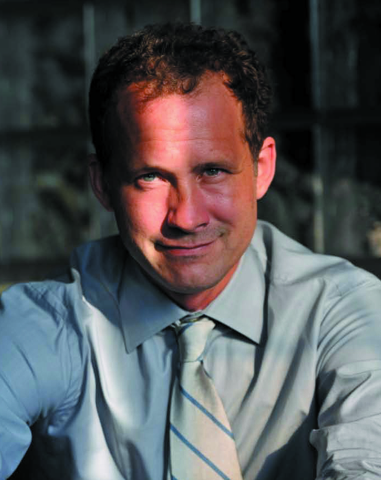
Ted Footman
Mike Layton: We need the parks to serve the community better. We’ve got lots of new residents coming in and lots of new families moving in. They like to use their parks a little bit differently, like we’ve seen with Monica and the pizza oven, like we’ve seen with Dufferin Grove and Trinity Bellwoods with the farmers’ market and the greenhouse. It’s not necessarily just skating and baseball anymore, and we’ve got to be responsive to that. We’re not going to end up with a good park system if we start scaling back what the city does.

Mike Layton
Jim Likourezos: I want to make sure that they are accessible to everybody and make sure that they are clean and safe to play in for our children. Irene Parkette, there’s a bit of a drug problem there, so that has to be cleaned out. I’ll be adamant as city councillor to be on the police to get that cleaned out.
Sean McCormick: We need to make sure, going forward, that everyone who uses the parks, who applies for permits in these parks, they need to be held accountable for their actions. We can’t allow these parks to be overrun by people who do not respect the parks at the same level as the neighbours. We also need to make sure that we have enough funds in the city to fund city services because maintaining our parks is, to me, one of the most important city services.
Karlene Nation: The unfortunate part of a lot of our planning right now is that we have condos being thrown just about everywhere and green spaces are at a premium. It will be a priority of mine to ensure that our existing green spaces—and any additional green spaces—that can be protected will be [safeguarded]. One of the things we have to do is ensure that the existing parks are well maintained, properly secured, and that they’re cleaned.
George Sawision: I’m going to be creating a new park in Liberty Village called the Greenwoods project, where we’re going to be covering the rail tracks with a green roof and creating a new park further south. Then I want to transform Exhibition Place from a convention centre to a park and let the province move the exhibition area at Ontario Place. So I want a vertical line in our ward protecting our park system, connecting them as much as possible. Christie Pits, I tried to protect them during the garbage strike, to stop them from spraying pesticides. We haven’t protected any of our parks, we’ve moved out all of our maintenance people. I’m going to move those people back so we’ll have a crew specifically set for each park. Each park will have a city-appointed guardian watch over it to ensure maintenance is carried out. Instead of the city giving out those permits we’re going to let the community take care of that.
Jason Stevens: With Trinity Bellwoods, it has become a much more user-intensive park, it’s what’s known as a destination park. Trinity Bellwoods is a very interesting park because it’s the largest unleashed dog space park in the city, but that’s also becoming something people are taking advantage of. We need to make sure it doesn’t get overrun. What’s happening at Christie Pits, there are noise complaints there, so I would handle that by enforcing a bylaw that sets noise limitations.
Karen Sun: I’d like us to come up with a plan for the whole area; for people to know that there is this almost connected network of parks, from Christie Pits down to Fort York.
I certainly agree that the parks that we have need to be better maintained for what they are. I know that the Friends of Trinity-Bellwoods complained that because there is so much use of the park, it needs a little bit more attention than it used to. Having different types of uses in the parks is really important. Alex Duff could probably use some renovation. It’s winter for most of the year in Toronto, unfortunately, so giving the public good access to those indoor spaces, those community meeting rooms, is just as important as it is to give people access to the green areas.
“Currently, BIAs are able to apply to cost share 50/50 with the city on capital improvements that take place in their BIAs. The problem is that the money allocated towards this very beneficial improvement program has not increased proportionately with the increase in number of Toronto BIAs. A small group of BIAs have been approved for very large and costly capital projects, which uses up a significant amount of the money allocated by council for this program. We are interested in knowing if the candidate sees the value of continuing this improvement cost-share program and what ideas they have for ensuring that there is access for all BIAs wanting to participate.”
—Lynn Clay, executive director, Liberty Village Business Improvement Area
Bruto: The answer is yes, absolutely I want to continue that. It’s an incredible program and I’d like to see more money put towards it. As far as allotted funds per year are concerned, there has to be some way of prioritizing projects and looking at each project. A deadline needs to be given and at that point the government needs to review each project and prioritize and be sure there’s equal play with all communities. Not only with number of dollars, but with number of projects. The selection process needs to be publicized ahead of time. When we publicize the returns we get, we will answer each criteria.
Footman: I would look at each capital project on a project-by-project basis. I’ve never been in favour of Victorian lampposts being installed in the twenty-first century, so it depends on where these expenses are. I don’t think fancy lollipop lampposts make College Street any better.
Layton: I’m definitely in favour of keeping the program. I’d eventually like to see the list of things that gets cost-shared expanded. Energy upgrades and installation of renewable energy projects on these buildings, these are things that could really have a huge impact down the line. Finding an equitable way of breaking it down to make sure everyone gets their fair share, I’m interested in the idea. Year-to-year it might fluctuate, but altogether we should make sure that downtown gets its fair share.
Likourezos: That’s a big question that I’d have to sit down with my team and talk about. It’s a serious question and I don’t want to give you an answer when I’m not prepared.

Jim Likourezos
McCormick: This is where I get back to the way we spend our taxpayer dollars. There’s only so much money to go around. If we’re too busy wasting money on uncompetitive contracts, sole sourcing all the contracts in this city, and wasting millions of taxpayer dollars that could have been saved in the competitive bid process, then that’s money that could go to initiatives like what Lynn is talking about.
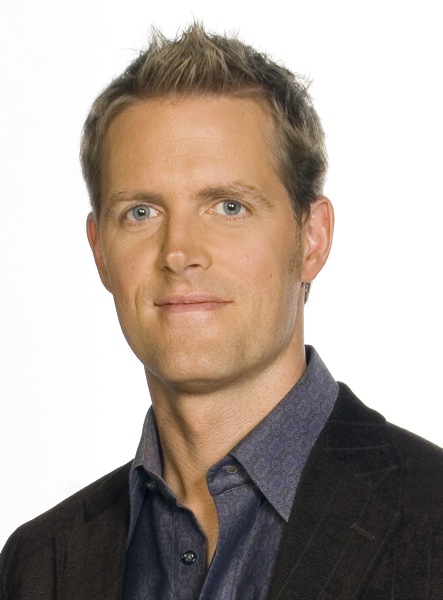
Sean McCormick
Nation: We have to look at what exactly is being asked, at their budgets, and at what kind of capital projects they’re requesting funding for. But, my overall support is yes for these BIAs and for the continuation for this type of funding, it’s crucial. One of the things I need to know is what are some of things that they’re spending money on. Most of the BIAs I’m familiar with, they do a lot of marketing, promotion, a lot of strategic work for lobbying on the part of businesses. This is all crucial, so we need to see exactly what they’re asking for.
Sawision: The city has to raise that to a minimum of 80 per cent and only allow the BIAs to contribute 20 per cent because they’ve already contributed through their property taxes. Everyone asks, “Where are you going to find the money?” I’ve gone through 12,000 pages of documentation at the city, looking for the pennies in all the budgets, and we can extract over 500 million dollars over the whole city budget that can be distributed to all the BIAs throughout the city. I’m trying to move it away from the pet projects and I want the community to drive the councillor, and not the other way around. I still say that the community should have a bigger say in the money being spent, and right now they don’t have that.
Stevens: The answer is yes. How I would do it is by being a squeaky wheel on council. I would ask how, and what it comes back to is sitting in council chambers and standing up for your ward—and showing that you have what it takes, [I’ve] always been good at that. I’d be fully behind the business improvement association and this program.
Sun: As a councillor I would certainly support the continuation of that program. As to how much money would go into the pot, it’s hard to say because I don’t know what that budget is. I think it would be good to have some sort of networking opportunity for BIAs to come together and see what sort of projects were being proposed in different parts of the city. It’s good for them to see what other businesses are doing and how those discussions are happening in other areas. Perhaps there’s an opportunity to partner, and perhaps learn from each other, and perhaps there could be cost savings in that way, if more than one BIA went in on a similar project.
“Currently if I wanted a permit to put a wooden stand outside of my store, it’s a four or five day process. Will the candidates attempt to streamline the approval process for accessing permits?”
—Chris Szego, manager of Bakka Phoenix Books (697 Queen St. W.)
Bruto: I believe the city is experiencing an overload as far as administration is concerned. But I’m a strong believer [that] services need to be upgraded. to be boosted and at the same time administration needs to be reduced. These types of permits are almost impossible to manage. In any case, I’m sure that there was some purpose or need when that bylaw was put in place, but I think we need to revisit these bylaws and streamline them. Not only for permits, but everything the city does. We really need to understand that when we’re dealing with services we’re dealing with time, money, and work. We’re also in competition with outside services. We need to be competitive in providing these services.
Footman: There will be no approval process. There will be no licensing for it. I will stop that policy; you are allowed to put out a sign. Council should say, “This is the size of the sign.” Business owners should not have to pay the city to put a sign out front, period. The only time the municipal bylaw office should be allowed to have anything to do with this is if a sign is in the wrong position so people can’t get by it, or the sign is in excess of the regulated size. I believe charging people $500 for that right is theft, it’s a new tax and I’m very upset about the way they are enforcing it.
Layton: Yes—online. Here’s a story: my sister just lives over on Markham Street. She just had a baby. Everyone’s very happy; everyone likes to come and visit. It’s one-hour parking. So grandma, when she drives down, has to move the car every hour. We can actually download a weekly pass for 15 bucks, and then we’re okay to park down there. Well, I think there’s stuff like that that we can do online pretty easily, all the infrastructure is there.
Likourezos: Absolutely. I’m a small business owner myself. I will be active so that we streamline permits and stop cash-grabs. There should be restrictions as to what we put on sidewalks, but a lot of it is cash-grabs more than anything else, so I’ll be very active with that.
McCormick: It’s a big issue down here [on Queen West], with these A-frame signs. That’s a $490 fine right now if a business puts out this A-frame sign without a permit and if the business doesn’t qualify for the permit. If you could believe it, right now there’s a bylaw in place that says that if you have less than 20 feet of frontage, you are not permitted to have an A-frame sign outside of your establishment. Eighty-one per cent of businesses in the West Queen West area do not have 20 feet of frontage. It’s a one-size-fits-all policy that’s been brought in by the City of Toronto, and one-size-fits-all doesn’t fit Queen West. It’s up to the city councillor to look at these things and reopen the bylaw for discussion. We need to do everything we can to create an environment to ensure that these small businesses remain viable. If that means letting them put an A-frame sign on the sidewalk for crying out loud, let’s let them do that.
Nation: This is exactly what I’m talking about in terms of how the city terrorizes and treats small- and medium-sized businesses with complete contempt. It’s abominable that it takes four to five business days to get a permit to put a stand out. Small- and medium-sized businesses provide a lot of employment and revenue to the city. There will be a way of streamlining all of this because this will be a priority on my part. There’s got to be a better way of minimizing the bureaucracy, the stupid bureaucracy at the city level.

Karlene Nation
Sawision: A simple yes, as much as possible. Not only do we have councillors who have been here for thirty years, but also we have senior city staff that have been here for thirty years or more, and they still use the old methods of approving permits, [instead of] using online processes and streamlining it that way, which causes those delays. So it’s a matter of logistics in the city, easily done. We’ll do more online applications, and approve the process first, then have the inspector go out, and if there’s anything wrong, they can take [the permit] back. It’s a reverse onus.
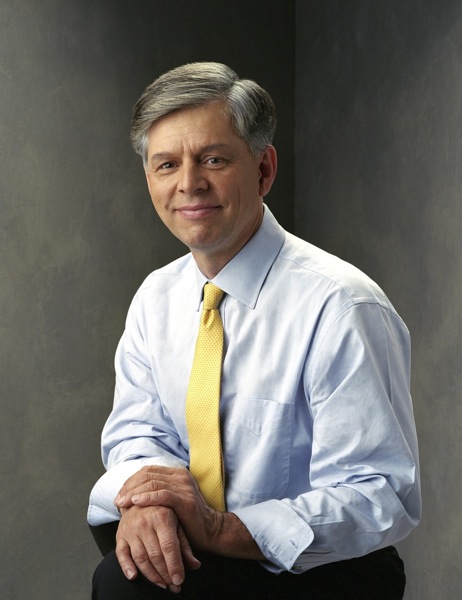
George Sawision
Stevens: Yes, I’d be willing to. The steps [to do this] are obviously taking your city staff and having them meet with the permit departments within the city. There are 36,000 employees in the city of Toronto, more than a lot of cities.
Sun: It should be a form that you can fill online and send in. To ask business owners, especially small business owners who may not have a lot of staff, to spend the amount of time that they need to, in person at city hall, is unnecessary. There used to be a lot more information on the city’s website for who to call and how to get information. I was looking for information recently and all those phone numbers have been taken off; it all goes through 311 now. That doesn’t really make sense to me, because 311—if you can get through—it’s basically a switchboard service. In theory it makes sense to have an easy number to remember and then they put you through to the right person, but I think they need to put more resources into it.
“Commercial property taxes have increased insurmountably in the last seven years. Councillor Pantalone has stated that he has helped reduce them by three per cent. Some of the ratepayers have incurred increases of almost 100 per cent in the last seven years. There has been no significant increase for businesses in either revenue or city services (i.e. garbage pickup, street washing) on College Street, for example, to substantiate these increases. How would you either put these monies to better use or significantly reduce the taxes in order that businesses remain viable in the ward?”
—Louie Cristello, co-owner, Southside Louie’s (583 College St.), and area resident
Bruto: There should be a freeze on taxes. We need to look at how we are currently providing services and how we could improve them. We need input from all direct managers on how to improve services. I think that it’s vital to ensure that the city provides services like snow cleaning and garbage pickup; because these are services that government needs to be providing. Where outside sources can provide it at a cheaper cost, we really need to examine what we’re doing wrong.
Footman: I’ll start by no more increases in the taxes. Let’s look at untended contracts at city hall and try to find some savings. Perhaps we can reduce and take the tax level back a little bit for these business owners. Because I agree, Louie is not the only one, a lot of business owners are telling me that they might have to close. We could slowly reduce the taxes, and I think the bylaw officers that we’ve hired to enforce the sign bylaw, that’s where the money has been spent.
Layton: I’m not sure that some of those numbers are correct. I understand they have gone up quite a bit but so have increases in residential property tax; the fact is that cost of services have gone up and with provincial downloading we’ve had to play a bigger role. Right now we’re resurfacing Dundas, and that needs to be done. The Green P for instance has just bought a school and is turning half of it into a parking lot around the corner. This is going to provide really important parking. So these are investments that the city is making.
Likourezos: If we were to cut property taxes, ultimately the landlord will make more money, not necessarily [save money for] business owners. But we have to make sure we don’t get these 100 per cent increases. I’m going to work hard to make sure we don’t spend money wastefully. It’s gotten to the point where I think 40 per cent of the city budget comes from property taxes. When people open a business the cost of property tax is accounted for, but not increases of 15 per cent per year. We have to keep this in check.
McCormick: We have seen our budget, in the last seven years, grow from $6.2 billion to $9.2 billion. I challenge anybody to tell me that our level of service in Toronto has gone up by 50 per cent as well. It has not. I want to know where that money has gone. It hasn’t been going into services because the level of service has declined.
Nation: Small- to medium-sized businesses in Toronto and especially Ward 19 pay three times higher property taxes than businesses in 201 municipalities across the province. What I would commit to doing is holding the line on taxes for businesses, so that they don’t see any more increases. We need a moratorium, a year or two or more, on local business property taxes. We need to stop the wasteful spending at city hall so we can see the savings.
Sawision: Even if I freeze taxes, their taxes will go up because of property tax assessments. We are a victim of our own success. We should have been pro-rating the taxes to take that into account. Joe Pantalone is right; he’s dropped the taxes three per cent. However, the assessments have gone up over 100 per cent, so some properties that were worth $500 thousand are now worth $1 million. That will double your taxes. We’re going to have to put a moratorium on taxes, and start putting in a new formula. I’m going to put in a differentiated tax system, so we’re going to have four rates of taxes. One for larger corporations, one for small businesses, and two residential rates: rental and regular residential.
Stevens: The ward, last year, saw a four per cent increase in property taxes. I think what I can do and promise to do is not increase property taxes.

Jason Stevens
Sun: From what I understand the city does have a plan to reduce business taxes so they will be more in line with the tax rates of the 905. One of the reasons the taxes are going up is because the property values are going up, it’s not an increase in the tax rate necessarily, it’s an increase in the property values. I was talking to a business owner on Harbord Street the other day, he’s sort of a corner grocer, and he said “You know, I sell potatoes, the price of potatoes hasn’t gone up.” I would certainly want to support businesses so they can stay in the neighbourhood.

Karen Sun
“I am concerned about the Ossington Avenue restaurant moratorium. Do the other candidates support the moratorium, and if so, why? And if not, what would they have done differently?
—John, local resident (last name withheld)
Bruto: Whenever you have a moratorium it means you are eliminating someone from starting up business and allowing existing business to have that advantage over others because of the lack of competition. In short, the community suffers, because the cost of services and products may be higher than they should be. However, in the case of the Ossington moratorium, [which is] dealing with restaurants and liquor licences, and deals with the enjoyment of one’s property, all these things need to be considered. I know what caused the moratorium but we need to find out what the current situation is. If things are [the same] we should continue the moratorium, but if there’s any change we should revisit it, to ensure that everyone’s rights are protected.
Footman: I don’t support it and I would have had public meetings. I believe that the interim control bylaws initiated by Mr. Pantalone are a draconian measure; there was no need for it. Let businesses open and if they are good operators they can stay. If there’s a nuisance then you can enforce, there’s tons of bylaws to use to deal with them. What they did there was reduce some people’s land value by twenty-five percent. Some people were crying at the public meeting having worked their whole lives with little businesses that wanted to expand to a second floor. Mom and pop want to have a patio in the back but that Ossington problem Mr. Pantalone started on College Street is now a citywide bylaw instigated by Mr. Pantalone. Because of his interim control bylaw, still nobody can open a restaurant, so it has been challenged at the OMB.
Layton: Well the moratorium is over. Supporting it or not, it’s done, what we have to look at now are solutions for how we move to the next stage. What do we do with neighbours that are being kept up at night? For the most part, the proprietors of these establishments are good people. We need to make sure that we enforce the rules. Part of that is we need a better capacity to enforce bylaw officers, and that may mean we need to send more bylaw officers out on to the street. It’s finding that balance and it shouldn’t be restricting businesses coming in. I’ve met with a couple of the restaurant owners and they have some great ideas for making this happen.
Likourezos: I do agree something should have been done because residents’ concerns are paramount. The worst part is that it’s stopped growth in that area. It’s not an Ossington issue; it’s a city issue. It’s time that councillors got together and decided; there are three types of restaurant uses. [There’s] food, which shouldn’t ever have restrictions with [liquor] licences, resto-bar or sports bar, which, you know, it’s a bar, and three, it’s a nightclub. But when I hear someone wants to open a bakery, you know, they can’t because of the moratorium, [then] we’re stopping growth.
McCormick: I’m very strongly in disagreement with the moratorium. I live two blocks from the south end of Ossington. Eight years ago, that was a no-fly zone, it was filled with karaoke bars, drug dealers, and criminals. I walk down that street today, and it’s filled with fashion boutiques, with lounges, and world-class restaurants. I believe that the moratorium was shortsighted, it was a knee-jerk reaction by the politicians that were involved, and I completely disagree with it. That neighbourhood around Ossington, Ossington Village, is ten times the area that it was five years ago
Nation: I feel that the moratorium was rammed through, once again, without a whole lot of consultations. There were a few meetings, but I felt the meetings weren’t as productive because you had meetings where both sides were screaming at each other. You needed a lot more targeted consultations, and to treat the businesses with greater respect. You’ve got to have more of a mix—you need grocery stores, bakeries, other types of businesses in the area. But, the bars and restaurants were the first ones who took a risk on the neighbourhood, to try to beef up the image of this neighbourhood. They’ve now made it, along with the residents, a hip place to be and to hang out.
Sawision: We used to have the same problem with Little Italy, when Little Italy was being built; a lot of people complained about noise and things like that. We dealt with the residents that were within ten houses. Because we have an old city, the residents are very close to the stores and sometimes the restaurants have back patios that are in someone’s backyard. A moratorium—that’s like trying to stop a train. We should deal with each property individually and the area residents that are close by.
Stevens: I would definitely extend the moratorium. It has benefited a lot of residents, they’re complaining about noise. I think we need to get them to keep that moratorium up. The situation has been improving because of the fact that the moratorium is there. It’s not about finding the right answer, it’s finding the person who cares the most, who is going to be there day to day and treats the ward like it’s their family.
Sun: I think there should have been more follow-up, there should have been more consultation with both the business community and the residents, and that didn’t happen. In December of last year [the moratorium] was made permanent. A lot of people didn’t know about it. My concern with the interim control bylaw is that while some people will argue it prevented the problem from getting worse, I don’t think it resolves any of the problems that were there to begin with. The problem is when the bars let out and everyone walks out to the side streets where they’re parked and everyone is standing on the sidewalk talking for half an hour, loudly, that’s what annoys people. I’ve talked to a few bar owners and one of the things we’ve come up with would have to be negotiated with the province. One suggestion was to get rid of last call. Another suggestion was to get rid of the signs of consumption law.
Tags: News · People · General
September 17th, 2010 · Comments Off on Frats fight back, but can they win the battle against Vaughan?
Delta Kappa Epsilon fraternity members cleaning up Taddle Creek Park over the summer. Courtesy Delta Kappa Epsilon.
By Tim Legault
Fraternity houses are voicing their concerns over the proposed changes in rooming house bylaws and licensing rules that Councillor Adam Vaughan (Ward 20 Trinity-Spadina) has been championing for some time.
The planned changes would require the properties to have yearly inspections that ensure the buildings are to code.
Failing to fix any building code offenses could result in the fraternity having its license pulled so that it would no longer be able to operate.
Adam Carson, who represents about 20 fraternities in the area, attacked the idea at a public meeting for the new Harmonized Zoning Bylaw on Aug.19.
“We object to the classification and the inclusion under the regulatory and licensing components of bylaw for rooming houses,” said Carson.
However, fraternity houses are not mentioned in the Harmonized Zoning Bylaw which was passed on Aug. 25. Nothing has changed for fraternity houses yet and nothing is preventing them from operating at this point.
What is required for fraternities to no longer be exempt from the rooming house bylaws is for the necessary licensing changes to be passed at the Licensing and Standards Committee in the new year. If that passes, only then will fraternities be effected by the rooming house bylaws in the HZB.
Christian Chan, a representative of local fraternity Phi Kappa Pi (85 Bedford Rd.) has started the Facebook group, “STOP ADAM VAUGHAN’S EXEMPTION REMOVAL.”
“Adam Vaughan is attempting to remove fraternity and sorority houses as a viable source of off campus affordable housing for students. The ultimate result is the closing of our chapters at U of T and other institutions,” wrote Chan on his group page.
His logic is that the mandatory inspections would force properties that are not up to code to increase their rent to cover the cost of necessary renovations. Consequently, students would not move into fraternity homes because of their increased rents and the offending fraternities would go bust.
“Fraternities are no longer the enclave of the elite as they may have once been,” wrote Chan in an email. “Yearly rent at our property is less than $5000, which compares up to and over $13,000 for U of T residences.”

Courtesy Delta Kappa Epsilon.
Chan says his fraternity undergoes yearly inspections to maintain their fire insurance coverage, which they must have, and that his frat is managed by professionals and university graduates.
Chan’s group has even prompted Mike Yen, who will be running against Vaughan in the upcoming council election on Oct. 25, to support the disgruntled fraternities.
“Typically students don’t vote. This is why Adam Vaughan has moved against you. On Oct. 25, show Adam Vaughan that you do have a voice and vote him out. I will reinstate the exemption as your new councillor,” wrote Yen on the Facebook page.
As for those against the changes, Vaughan does not see much room discussion.
“It’s not a horrendously onerous set of obligations,” said Vaughan, referring to the proposed rules.
“There’s worry that it’s going to cost people and arm and a leg—it’s not a huge expense for the building, but it does mean they are going to have to make sure that if they throw a keg party, they might want to think about spending the money on fire alarm batteries, not on togas.
“Asking someone to respect the fire code and the building code is not something which you have to beg them to do.”
“It’s really a safety issue. In particular, in a ward that has had a couple of fires in older buildings, the Annex houses are pretty close together, and if we ever had a tragedy in one house, it would spread to the second house very quickly.”
Adam Carson said that fraternities are already required to meet sufficient safety standards.
“As for the questions of safety and care given to maintain an environment that is safe for the people living in [fraternity houses] and the state of upkeep and maintenance of the houses, we would like to point out the fact that these properties are mandated not only by our international organizations but by our insurance policy holders that both our safety and maintenance of these properties are kept at a very high level.”
Tyler Haggerty, president of Fraternity Sorority Life Club, is worried that the bylaw changes would give the city too much control over fraternity houses. He felt that with even minor offences, like a noise violation, could lead to severe action from the city. He was also concerned that Vaughan has a bias against fraternity houses.
On Aug. 14, to improve community relations within the neighbourhood and “demonstrate the positive role fraternities play in the community,” Delta Kappa Epsilon (157 St. George St.) held a community cleanup of Taddle Creek Park, followed by a BBQ and a silent toy auction, with proceeds from the auction going towards The SickKids Foundation.
“Hopefully now we’ll be able to help the community and show Adam Vaughan that we’re a lot better than he thinks,” said Mark Koltowski, the fraternity’s vice-president.
Vaughan said the new rules should be in place by next year, when the licensing rules will be finalized.
“Parents sending their kids off to university, they’d like to think that the houses their kids are staying in are safe.”
Tags: News · General
September 14th, 2010 · Comments Off on Welcome to Happyview: Neigbourhood dad hosts one-man show

Michael McMurtry's one-man show, Happyview P.S., plays this month at the Palmerston Library, beginning Sept. 20. Courtesy Michael Watier.
By Bethan Evans
Have you ever thought to yourself, Children’s theatre is entertaining for my kids, but I am bored to tears after the curtain opens? Michael McMurtry did and decided to do something about it.
“I wanted to create something that entertains kids, but is also sophisticated and will appeal to their parents as well,” says McMurtry about his one-man show, Happyview P.S., opening this month at the Palmerston Library (560 Palmerston Ave.).
Wanting to share his love for live theatre with his children, he began taking them to productions.
Inspiration struck after seeing Welcome to Vaudeville by Steve Morel and Jenny Parsons at the Fringe Festival. “I had never considered doing a show for kids before, but I couldn’t get over the feeling of being at a show with my kids and all of us having a ball. For a parent, it’s very satisfying to share that experience with your kids, but it’s rare in kid’s theatre today,” said McMurtry.
Born and raised in Toronto, McMurtry returned to Canada after a four year stint in New York, and has been involved in the Canadian entertainment scene ever since. He is well-known for his multi-character comedy featured in his one-man show, Enthusiasm of the Species. Both of his previous one-man shows have been produced for television.
Besides theatre, McMurtry has worked steadily in both television and films. He received a Gemini nomination for his role in the television show Godiva’s. Over his career, McMurtry has also had the opportunity to work with some of Hollywood’s legends, including Walter Mathau, Carol Burnett, Glenn Close and William H. Macy.
“I always felt that I was a comic doing dramatic roles. I have a lot of admiration (and some envy) for comedians. I always fantasized about being part of a sketch group. Creating this show has allowed me to indulge in silliness and comedy,” said McMurtry. “It’s given me permission to pull out all the stops and have as much fun as possible. It’s allowed my inner clown, my inner comic to come out.”

Courtesy Michael Watier
For Happyview P.S., McMurtry refined some long-time characters to bring them into a cohesive fun interactive show designed to entertain both kids and parents. “The premise of the show is a school assembly and the audience members play the roles of the students at the schooll,” said Derek Williams, director and co-writer of the play.
“Michael plays six different characters that he has developed over the years. The show is original and interactive and is as funny for adults as it is for kids.”
Performing the show, in his own community is also exciting for McMurtry. Like the Jersey Avenue street party that he helped create, he hopes the play will connect with his neighbourhood. “I hope that it will bring people out in the community and engage them in a new way. It’s an afternoon or an evening activity that both parents and kids can enjoy. It’s a very wild fun show!”
And how did his most important audience like the show? “My children love it, they are incredible audience members! Kids imaginations are so deep and open and they lose themselves in the characters.”
Happyview P.S. will be playing five shows at the Palmerston Library theatre Sept. 20 (7 p.m.), Sept. 25 (2 p.m.), Sept. 26 (2 p.m.), Oct. 2 (2 p.m.) and Oct. 3 (2 p.m.). Tickets are $10. For more information visit www.spicymike.ca or call 416 539 8437
Tags: Arts · People · General
September 12th, 2010 · Comments Off on Watch the Watchmen: ‘90s frontman works to balance music and real life

The Watchmen, led by singer Danny Greaves, will be performing at the Horseshoe Sept. 24–25. Courtesy Reil Munro.
By Karen Bliss
Danny Greaves, vocalist from the popular ‘90s rock band The Watchmen, still plays live with the band, but he’s been working on solo material, composing for film, and has ventured into the restaurant biz.
The Watchmen—Greaves, guitarist Joey Serlin, bassist Ken Tizzard and drummer Sammy Kohn—broke up in 2003, but for the past three years have reassembled for sporadic shows. Their first show this year will be at the Horseshoe Tavern (368 Queen St. W.) for two nights, Sept. 24 and 25. A week earlier, on Sept. 18, they will be at Blue Mountain in Collingwood with 54.40 during the Centurian Cycling Festival.
“I don’t think anybody is interested in having us exist the way it used to, even if that were possible,” says Greaves.
“I don’t know if it is anyway, just because of the nature of the industry, but we’re doing it for the original reasons that we used to—because we missed each other and decided to get together and see if anybody still cared and people do and we do and we’re having fun.”
Greaves is a Liberty-area resident and business owner. Last December, he bought into the landmark 24-hour diner The Lakeview (1132 Dundas St. W.) with three experienced partners. Previous to that, he co-owned the Chelsea Room, a lounge bar which closed in 2007.
“[The Lakeview] has been there since the ‘30s—when essentially you could see the lake, which I don’t think people realize,” he said.
“We’ve been lucky enough to be pretty rammed. For me it’s just fun, taking my kids there. I’m involved a little bit, but not as much so because music’s still happening for me. We’re still looking for another bar in the neighbourhood. I like the social components. I like to talk to people and have fun and shoot the shit and find out who they are and find out who you are.”
The Lakeview partners are also opening a coffee shop called The Abbott in Parkdale on Spencer Avenue, one street over from where Greaves lives. “The first black doctor in Toronto, Dr. Abbott, lived on Spencer, which I think is really cool from a historical standpoint,” Greaves says.
Anderson Ruffin Abbott (1837-1913) was the first black Canadian to become a licensed physician.
For the past decade, Greaves has also been scoring movies (Kanadiana, The Pedestrian, The Risen), which has influenced the direction he’s taking for his first solo recording. “The music itself is Pro Tools oriented,” he said, referring to the digital audio workstation software.
“I guess it could be called movie music, sort of atmospheric pop. For me, the best thing about it is doing it because I wanted to, not because I have to feed my family or because I’m in the machine.”
While Greaves can’t say if The Watchmen will release a full album again, there is the possibility of a new EP. Two new songs, “Trampoline” and “Miss Monday Morning,” are available for free in the “media” section of the band’s website. “It wouldn’t be hard to make four or five,” he says. “We’re all so busy with other stuff so it’s hard to physically get us in the same spot. I think what’s fun is there’s no specific plan.”
The Watchmen does, however, have a brand new documentary DVD, All Uncovered, which will be for sale at the upcoming shows. Directed by Reil Munro, Greaves says it includes footage from 1988 to present-day, including archival home movies from Kohn’s personal collection.
“I’m amazed that it could be put together. Usually, you plan for what it’s eventually going to be for; Reil just went through tons of old stuff, recording in Seattle, playing this big German festival, talk shows in Australia, stuff I didn’t even know existed. I think the diehards will enjoy it. It’s a nice document of what’s gone on.
Tags: Arts · General
September 10th, 2010 · Comments Off on Boast about The Coast

The Coast will be releasing their sophomore album Queen Cities Sept. 23. Courtesy Carl Heindl.
By Karen Bliss
Toronto indie rockers The Coast, who celebrate the release of its sophomore album, Queen Cities, on Sept. 23 at the El Mocambo, began life in the Annex.
Frontman Ben Spurr and guitarist Ian Fosbery were living on St. George Street at the time and called their band The July 26th Movement.
“We were about to break up,” recounts Fosbery, “and we decided, ‘Let’s give it one more try and write different music, and change our name to the Coast’ [after the Paul Simon song] because our old name sucked. It was like starting anew.”
Today, Spurr lives in Parkdale, brothers Jordan and Luke Melchiorre (drums and bass, respectively) in High Park, and Fosbery divides his time between Toronto, Etobicoke and New York.
Fosbery is looking forward to returning to the neighbourhood to play El Mocambo. “We haven’t played there in a long long time,” he says. “It will be nice to play there again. We did a charity gig there about a year and a half ago, but our own show was four or five years ago, before it was renovated.”
Back then, the Coast’s 2006 self-titled EP led to a deal with local indie Aphoria Records in late 2007. The band cut its 2008 full-length debut, Expatriate, with producer Chris Stringer—of Timber Timbre, Ohbijou, and the Wooden Sky fame—at the Lincoln County Social Club, a loft studio in Liberty Village. The album was later picked up by Afternoon Records in the U.S., and the band ended up touring throughout North America and the U.K.

Courtesy Carl Heindl
Being on the road for a year-and-a-half influenced Queen Cities, which the bio says is about “crossing borders.” Tons of bands tour and don’t write entire albums about it, but Fosbery explains, “There was nothing else going on in our lives. It was life in a van. It’s the theme of what touring causes in life because it does put a strain on your life at home when you’re away.”
Once back in Toronto, Fosbery says they spent a long time writing and arranging the songs, then invited Stringer to the rehearsal studio to hear the new direction (before going into the Lincoln County Social Club again). “Chris is very involved in what we do and, as always, he added a lot of ideas and took away a lot of ideas from what we already built.
“It’s definitely louder and faster,” Fosbery says of the new album. “A lot of the songs on Expatriate were slower and more singer-songwriterey—well, not a lot of them, but this album is much more to the point. It’s only 9 songs long.
“Not that we don’t like making slower songs,” he adds. “There’s always talk of us doing an acoustic EP because Ben writes a lot of songs like that, that are a lot softer and wouldn’t really be served very well by loud guitars and loud drums, but I think touring a lot of times we’re playing in a room to a bunch of people who are talking and it’s pretty loud.”
So they adjust their sound to get their attention? “It’s not really an attention thing,” said Fosbery. “It’s more of an energy thing. When you’re playing a show and things are loud, you’re really, for lack of a better term, rocking out.”
Fosbery and Spurr also play keyboards on their recordings, but onstage they use a fifth player to take care of those parts. “We often do this when we record. We record all these intricate parts and there’s so much going on at any given time that we need another pair of hands [live],” says Fosbery.
Sometimes that person is Stringer, but Fosbery isn’t sure he’ll be able to play the CD release party. “Chris has problems with his ears, tinnitus, so he’s taking a break from live music for a while.”
Maybe, if the Coast wasn’t louder and faster than ever.
Tags: Arts · General
September 8th, 2010 · Comments Off on Caring about Caribana: Festival connects Annex resident to her roots

Sherrill Sutherland took part in her ninth Caribana parade this past summer. Courtesy Liivi Sandy.
By Liivi Sandy
Spend some time with Sherrill Sutherland and you’ll get an education.
The 25-year-old Annex resident works for CBC News Network, writing about the events that make our city, country, and world tick.
Spend more time with Sutherland and you’ll realize that she’s more than you bargained for. The candid young woman is crazy about more than just news. She has an ardent passion for Caribana.
She was one of thousands of “masqueraders” strutting down Lakeshore Boulevard West in a bikini, belt, and massive elaborate hat this year.
“It’s kind of like an addiction so you do it every year,” she said. “You become a pseudo-famous person for the day.”
Sutherland has participated in Caribana since 2002. She was studying journalism at Carleton University at the time, and was overwhelmed at the possibility of being a part of it. “What if I didn’t fit in? I was excited at the same time—about the party, my culture. I could show my Vincey pride.”
Sutherland was born in Ottawa, and raised in small towns all across southern Ontario. She grew up with her mother and a French-Canadian step dad. Her mother is Irish-Canadian and her father is Vincentian.
“I never embraced my Caribbean heritage because I wanted to fit in,” she said. “I lived in small towns where I was the only black person, or one of very few.”
Her first year in Caribana was exhilarating to say the least.
“No one is judgmental,” she says. “It made me very proud of who I was.”
In 2008, Sutherland started working as an intern at CBC and the CBC was an official sponsor for the parade.
“It seemed like no one [at CBC] knew what the project was about. I was floored, and wanted to get involved.”
Sutherland was eager to share her experience and give people more insight into the two-week event.
“There is art, music … a lot of other things happen other than the parade. I wanted to give an inside perspective. Very few Torontonians know what it is.”
She also wanted to dispel rumours about the violence sometimes associated with Caribana. “Sometimes things get linked to Caribana in the media that are unrelated.”
Last year, her interest in Caribana led to her blogging about her experience during the event for CBC. She was also a guest on two CBC shows, including the radio news show As it Happens. “I became the Caribana expert for CBC.”
This year, she was excited as ever to get on her costume and walk the city for hours, pose for photos, and revel in the celebration that surrounds the parade. Her enthusiasm is infectious.
“My best friend is Polish,” said Sutherland. “She said she wanted to be involved. You’d be surprised how many [non-Caribbean people] there are [participating]”
“I feel like it has become a crucial part of our relationship,” added friend Basia Bukowski. “It is absolutely something we have bonded over.”
“If I missed it I would really regret it,” Sutherland says. “It’s like my summer anthem.”
Tags: People · General