April 14th, 2015 · Comments Off on Forty-two storeys planned for Madison Avenue
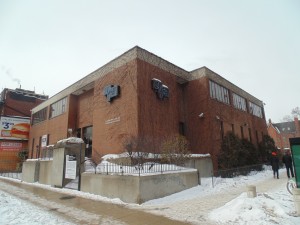
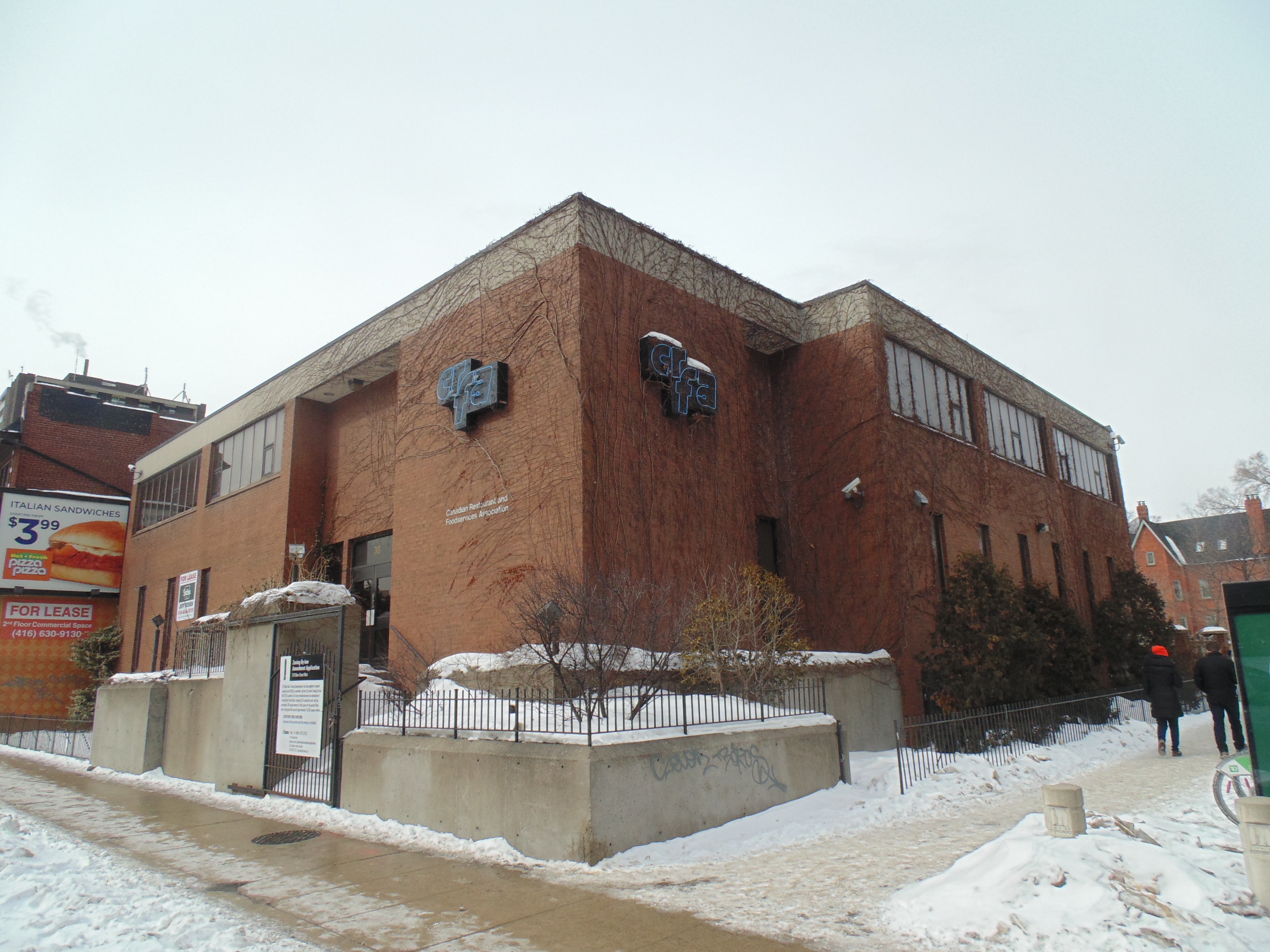
The former headquarters of the Boy Scouts of Canada and, until recently, the Restaurant Association of Canada, is slated for demolition to make way for a major condo development.
Photo by Brian Burchell, Gleaner News
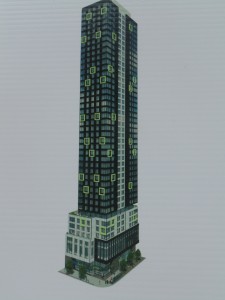
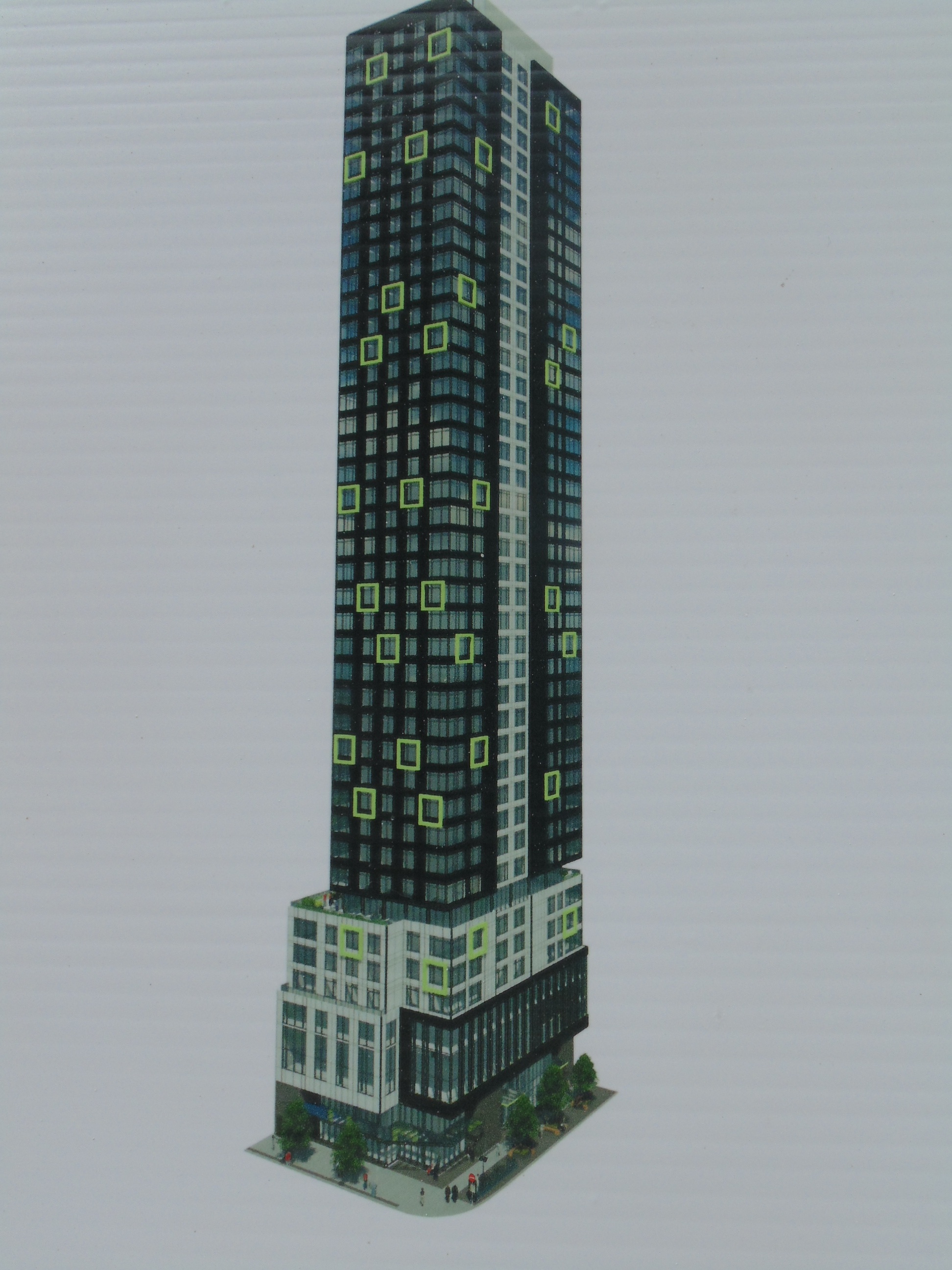
Architect’s rendering of the proposed 42-storey tower for Bloor and Madison Ave.
Image courtesy of 316 Bloor West Developments Ltd.
A developer, 316 Bloor West Developments Ltd., has applied for an amendment to zoning by-laws with the hope of raising a 42-storey residential/mixed-use development at Madison Avenue and Bloor Street West. At a total floor area of approximately 24,265 squares metres, the building would include 535 residential units and about 265 square metres of retail space.
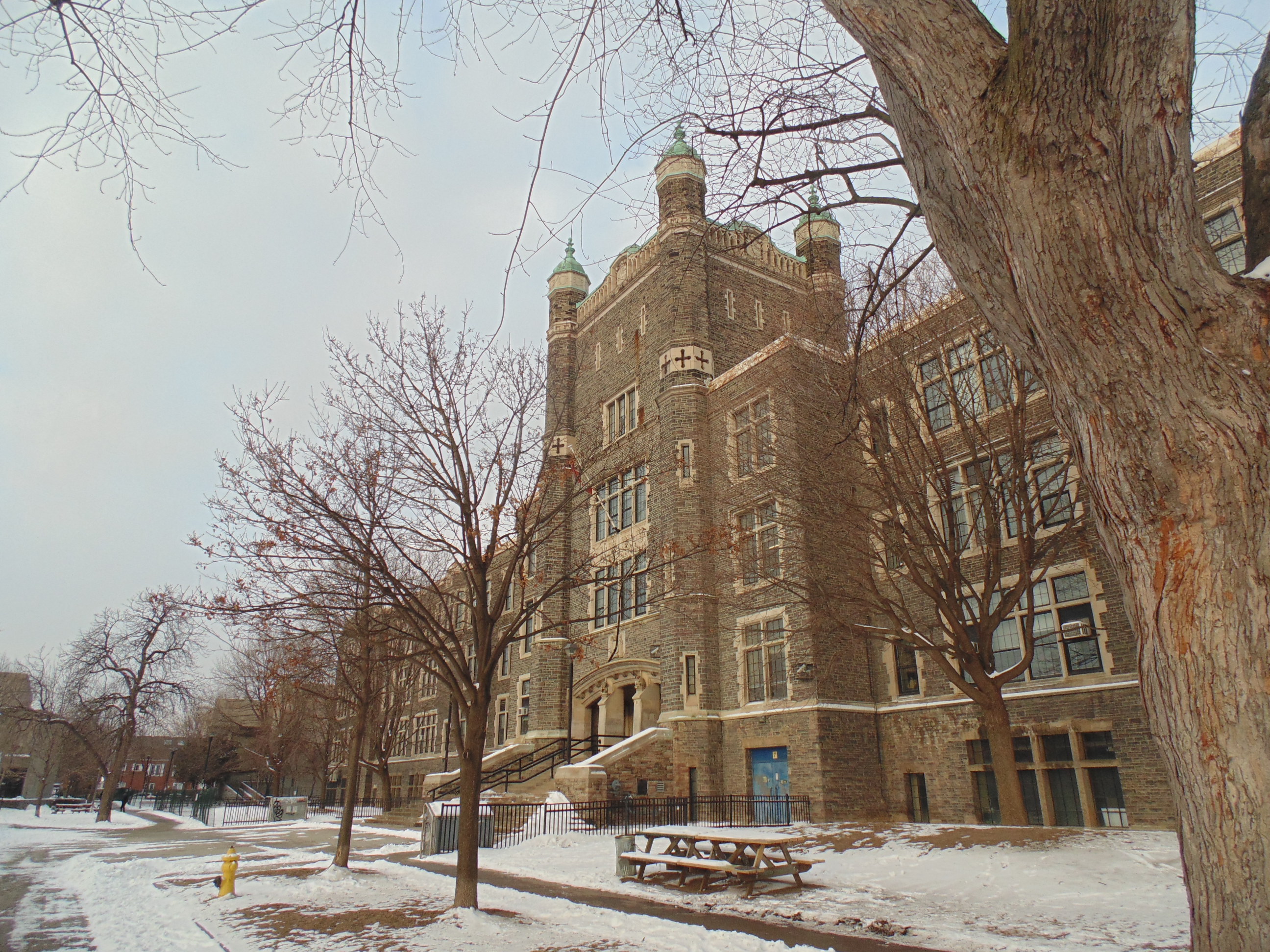
The proposed development would replace the existing two-storey building that was formerly home to the Boy Scouts of Canada and, more recently, the Canadian Restaurant and Foodservices Association. If approved, it would drastically change the face of the neighbourhood and dwarf the next tallest building on the block: the 18-storey Tartu College Student Residence. It’s also across the street from the historic three-storey University of Toronto Schools building, and abuts the newly re-christened Paul Martel Park.
This proposal was made public after our development review on pages 6 and 7 was completed.
—Claire Kilpatrick, Gleaner News
Tags: General
April 14th, 2015 · Comments Off on Committed to working together
Elected representatives agree on Trinity-Spadina priorities
By Annemarie Brissenden
Trinity-Spadina’s elected representatives are committed to working together to improve transit infrastructure, increase affordable housing, and enhance the liveability of the area. They also share a renewed spirit of optimism after a series of elections last year that have resulted in new faces at all levels of government.
“It’s nice being the longest serving member,” laughed Adam Vaughan (MP, Trinity-Spadina), who was elected in a federal by-election last June, after previously serving as city councillor. He has “a good working relationship with the others,” none of whom come “from a long history of divisive party politics.”
As Joe Cressy (Ward 20, Trinity-Spadina), who ran against Vaughan in the by-election before taking the MP’s vacated municipal seat in the October election, pointed out, “We’re all Trinity-Spadina loyalists.”
Trustee Ausma Malik (TDSB Ward 10, Trinity-Spadina) agreed.
“We all share a passionate love for our communities,” said Malik, who believes a school is the heart of its community. She wants to change the relationship people have with their local trustee, so they know who their trustee is and what they do.
Malik has met with all of her “elected counterparts at all different levels” to “affirm our commitment to cooperation” and “to share our different priorities”.
Chief among those is the need to bring “fast transit to the most people in the most economical way,” said Mike Layton (Ward 19, Trinity-Spadina), something that Vaughan highlighted as well.
The MP focused on boosting transit’s usability by, for example, enhancing nighttime service and developing more points of access.
Han Dong (MPP, Trinity-Spadina) echoed Layton and Vaughan, and said that “moving people in and out” of the area will require cooperation from all levels of government.
It’s a challenge born of increasing density. And, given the number of new condominiums approved by city council last year, he added, that trend isn’t going to abate anytime soon. Dong is also concerned about the sustainability of this growth, and the riding’s capacity for absorbing such a surge without leaving anyone behind.
Everyone stressed the need to grow in an equitable manner, and highlighted the importance of building new safe affordable housing, while protecting the existing stock through revitalization and repairs.
For his part, Vaughan, who would like a national affordable housing program, “is greatly encouraged by the innovative approach that is emerging on [the Mirvish Village/Honest Ed’s] site,” where Westbank Project Corp.’s architect, Gregory Henriquez, is considering building purpose-built rentals across different economic scales. Henriquez, who comes from a tradition of community-based development, wants to create something that promotes the public realm by celebrating the area’s history.
In this, the architect is considering liveability as much as density, a critical component of any development.
As Cressy explained, “We have to make sure that we’re not just adding density, but that we’re building neighbourhoods with the necessary support and infrastructure.”
“We all understand how much has changed in Trinity-Spadina,” said Dong. He said the important question is how to create a liveable community in the face of such tremendous growth.
For Cressy, it’s all about strengthening neighbourhoods. He pointed to planned park improvements as well as the opening of two new schools, a community centre, and a daycare at CityPlace, all in his ward.
He also, like Layton, stressed the necessity of freeing Toronto from the purview of the Ontario Municipal Board, and reaffirmed his opposition to the expansion of the island airport, which he said, “is not compatible with a diverse waterfront”.
Vaughan’s other priorities for the coming year include rail safety, an especially critical area as “more and more volatile goods are moved through the north corridor of the riding,” and emphasizing the need to change the relationship between the federal government and the nation’s cities.
Tags: Annex · Liberty · News · General
April 14th, 2015 · Comments Off on Half-empty Schools
Master list of possible school closures includes eight in Ward 10
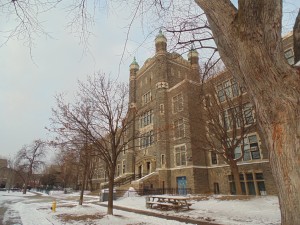
Central Technical School 725 Bathurst St.
• Current enrolment: 1,657
• Utilization rate: 58%
• Projected utilization rate in 2034: 54%
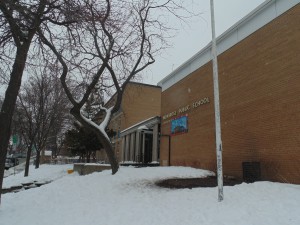
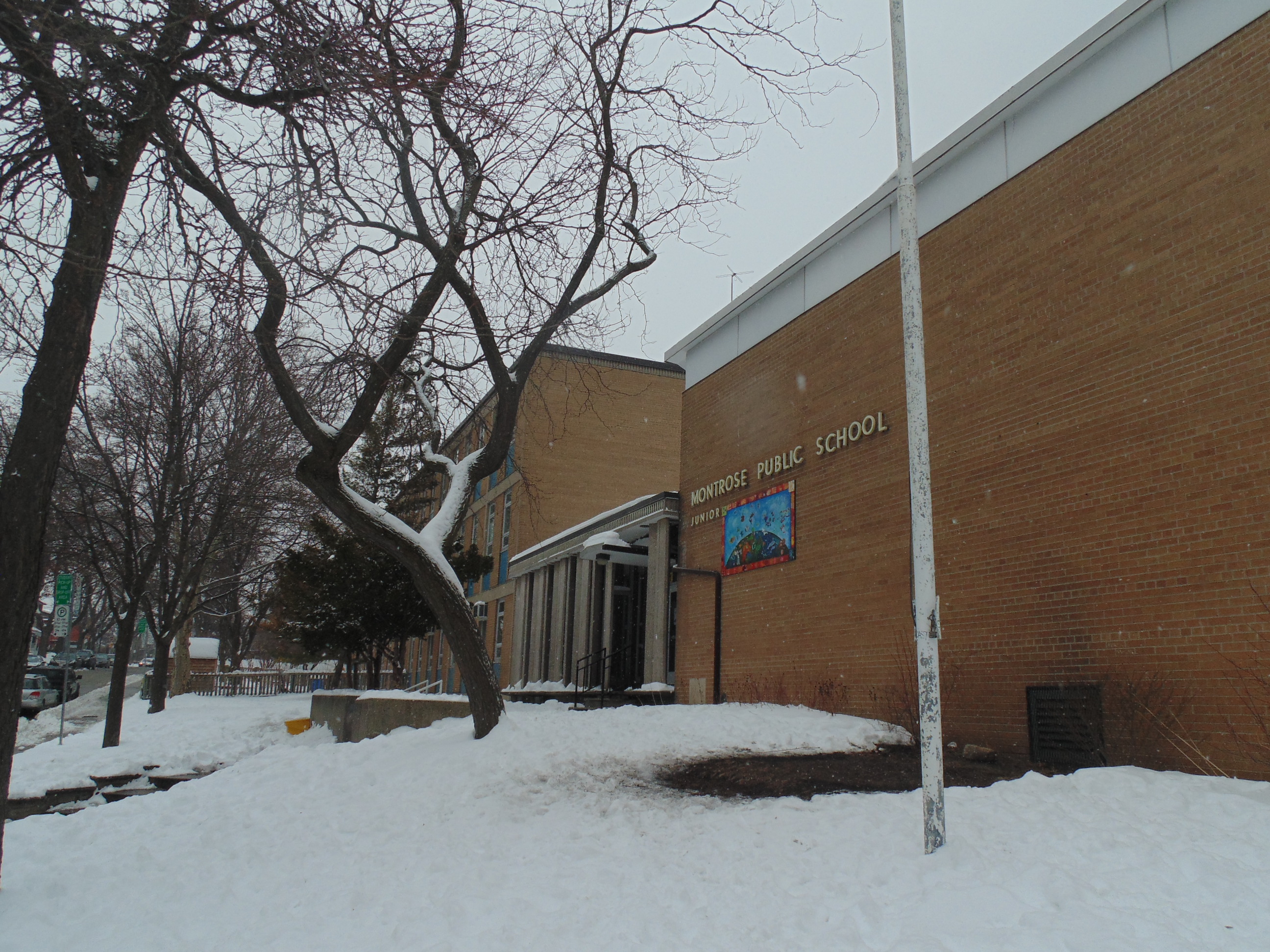
Delta Alternative Senior School 301 Montrose Ave.
• Current enrolment: 60
• Utilization rate: 47%
• Projected utilization rate in 2034: 52%
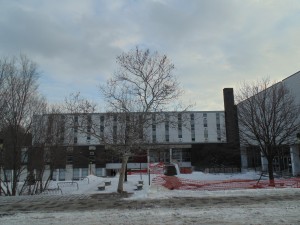
West End Alternative School 777 Bloor St. W.
• Current enrolment: 80
• Utilization rate: 48%
• Projected utilization rate in 2034: 50%
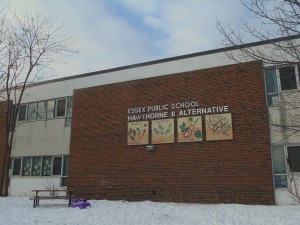
Essex Junior & Senior School
50 Essex St.
• Current enrolment: 278
• Utilization rate: 59%
• Projected utilization rate in 2034: 45%
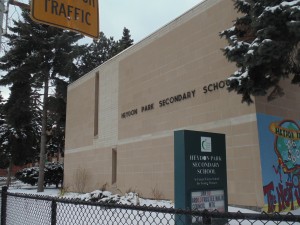
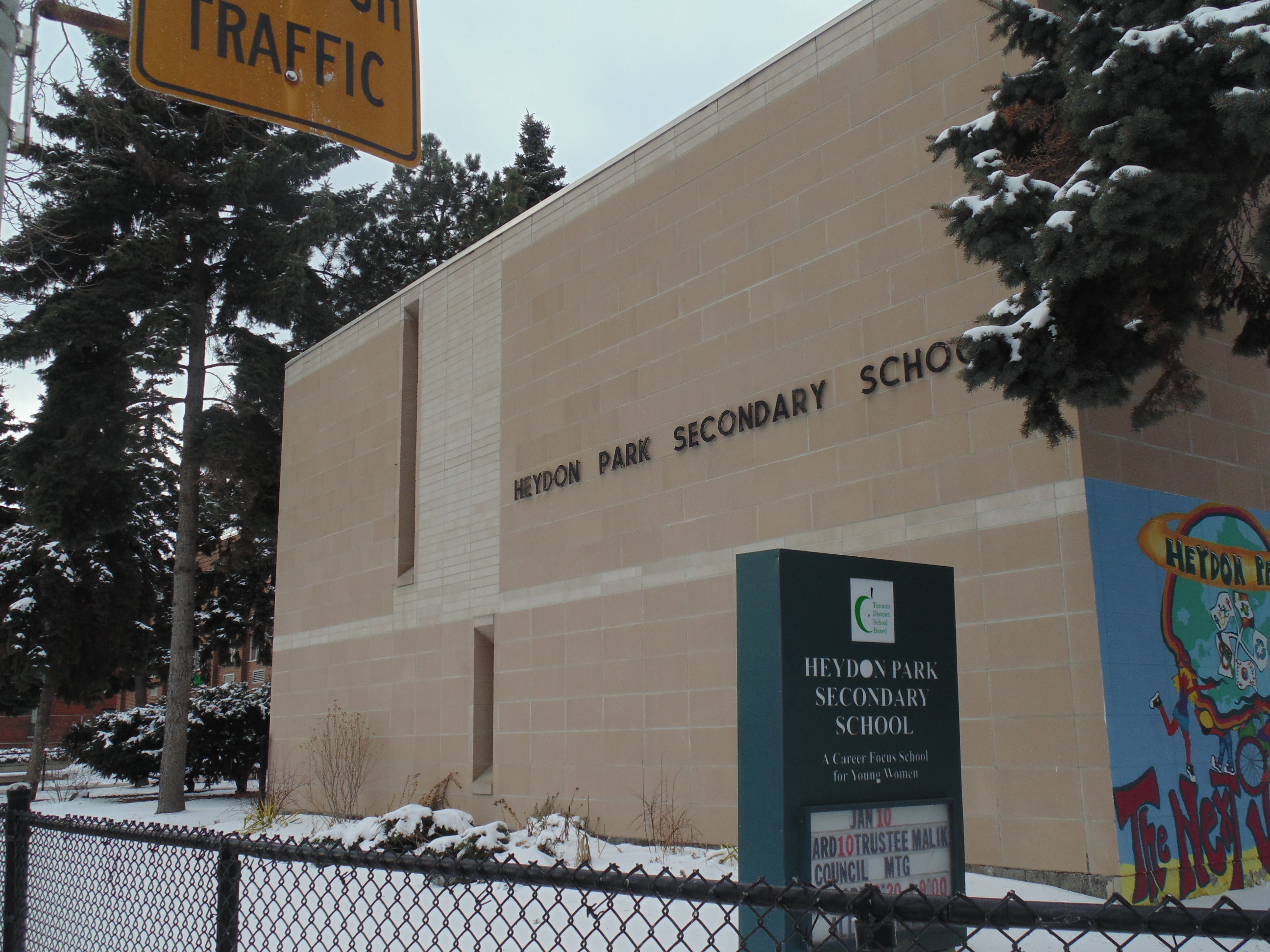
Heydon Park Secondary School
70 Darcy St.
• Current enrolment: 157
• Utilization rate: 60%
• Projected utilization rate in 2034: 120%
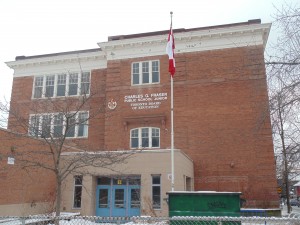
Charles Fraser Junior Public School 79 Manning Ave.
• Current enrolment: 228
• Utilization rate: 51%
• Projected utilization rate in 2034: 60%
Photos: Brian Burchell, Gleaner News
Tags: Annex · Liberty · News
April 14th, 2015 · Comments Off on
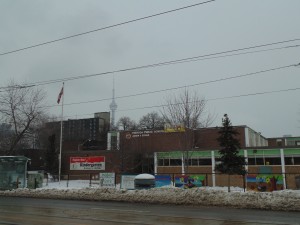
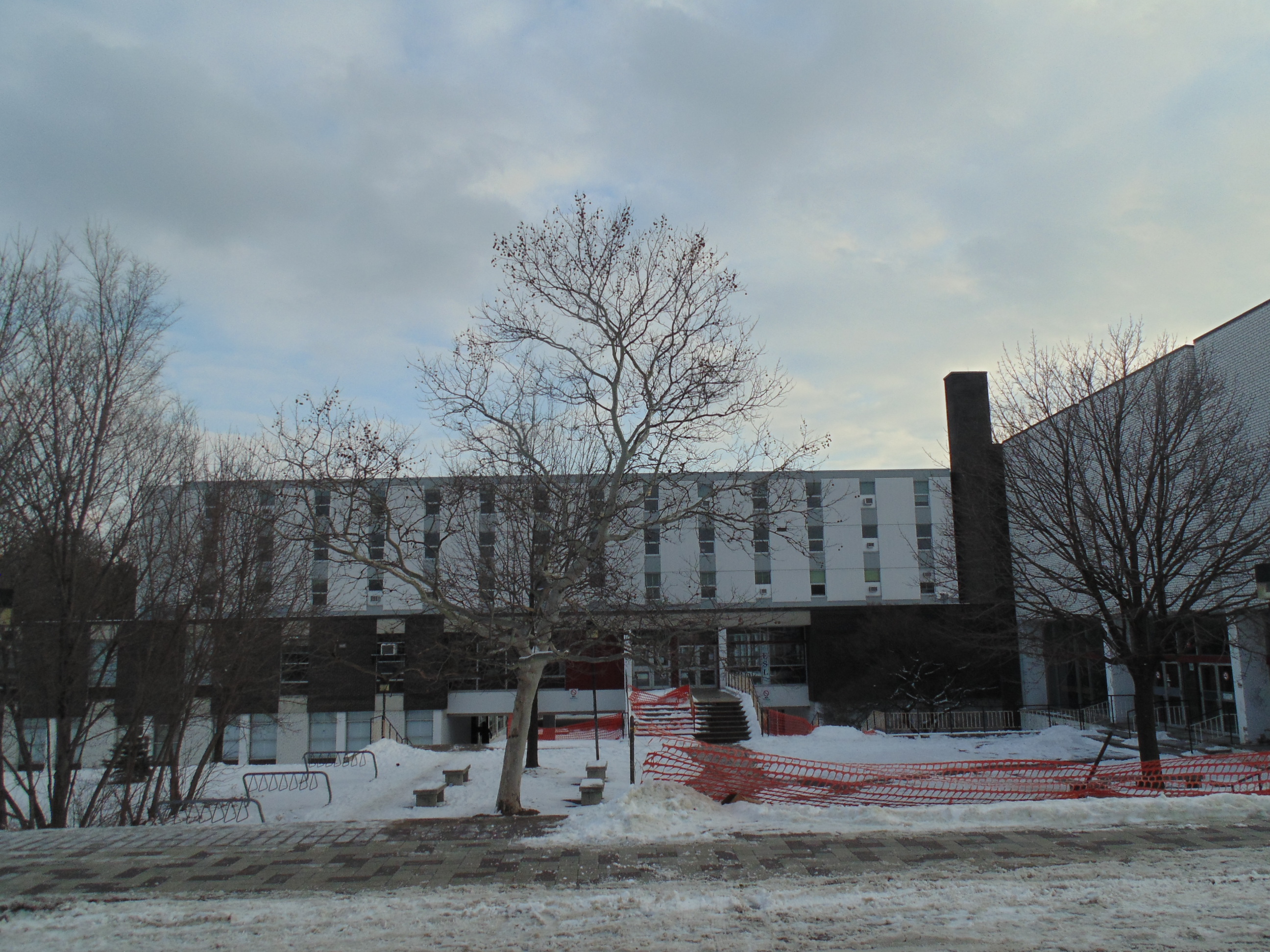
Ryerson Community School 96 Denison Ave.
• Current enrolment: 317
• Utilization rate: 53%
• Projected utilization rate in 2034: 100%
Photo: Brian Burchell, Gleaner News
Tags: General
April 14th, 2015 · Comments Off on
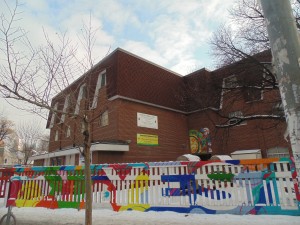
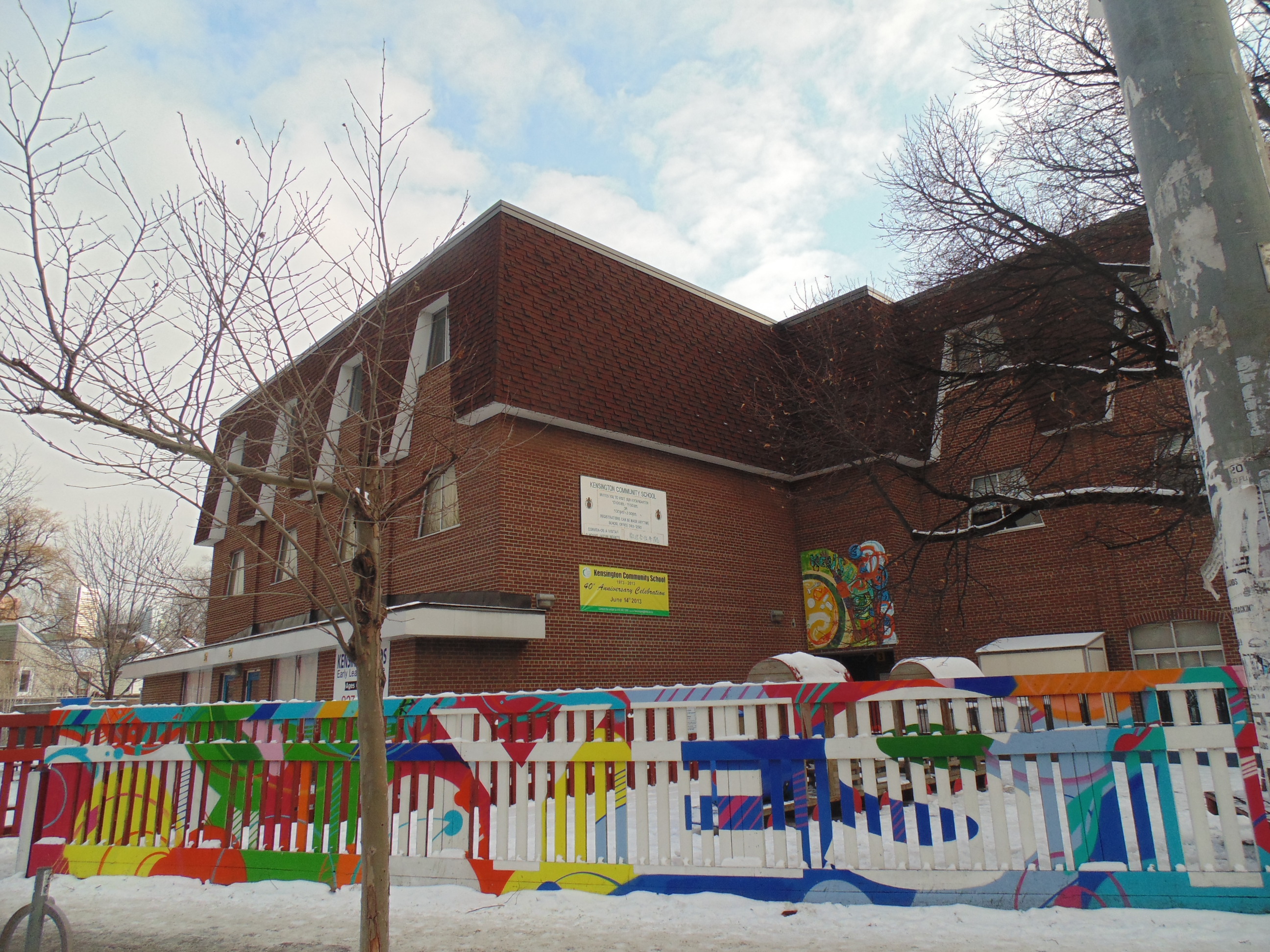
Kensington Community School 401 College St.
• Current enrolment: 113
• Utilization rate: 25%
• Projected utilization rate in 2034: 20%
Photo: Brian Burchell, Gleaner News
Tags: General
April 14th, 2015 · Comments Off on Half-empty schools
Master list of possible closures includes eight in Ward 10
By Brian Burchell and Claire Kilpatrick
At least eight schools in Trinity-Spadina are at risk of closing following the provincial Minister of Education’s direction to the Toronto District School Board (TDSB) to review its capital plan. It’s but one of several orders based on the recommendations found in Margaret Wilson’s sweeping report, which reviewed “operational issues at the TDSB with a focus on the governing structure”.
On the TDSB to-do list is to “provide a three-year capital plan that reflects the current student population”. Many schools are underutilized, and the board lacks the budget to operate and maintain its entire inventory of buildings. According to TDSB documents, 135 schools have a utilization rate of less than 65 per cent.
The Gleaner has identified eight schools facing possible closure in TDSB Ward 10, which roughly encompasses the area of Dupont Street south to the waterfront, and University Avenue west to Dovercourt Road.
Notably, Central Technical School is on the list, with a utilization rate of 58 per cent. The school has a capacity of 2,857 students, but only 1,657 are currently enrolled. The utilization rate is expected to dip further to 47 per cent by 2019, and not rise above 50 per cent by 2034. These projections are based on the board’s own data.
Low utilization rates only tell one part of the story, as the cost of keeping partially empty schools open affects the TDSB’s ability to maintain its buildings properly.
A June 2014 report by the TDSB, “Capital Facts: Building Strong and Vibrant School Communities,” places the capital renewal backlog at $3.5 billion. Funds are needed to repair or replace electrical systems, pavement, heating and boiler systems, roofs, and windows.
According to the report, the condition of the buildings is ranked on a provincial system known as the Facility Condition Index (FCI), where the ranks are as follows: FCI<10 Good; 10<FCI<30 Fair; 30<FCI<65 Poor; and FCI>65 Critical. In the TDSB, over 200 buildings are classified as FCI>65 or critical, which means they require extensive renovations and replacement of core systems. This represents over one third of the TDSB’s 588 schools.
The Wilson report was highly critical of the “Board in its management [of], or rather failure to manage, capital assets,” and quoted a special assistance team member: “There isn’t a normal process where priorities are established in an objective fashion with the Board acting as a unit.
“Trustees represent their wards and have their own perceptions about what should be done.” Trustees told Wilson that they “horse-trade” for votes and support each other to save schools in their individual wards. The report goes on to say that “trustees seek the support of city councillors and, in the case of at least one capital renewal project, involved the area’s MPP (to intervene).”
Because the board, as the Wilson report states, lacks the political will to right size its system, renewal funding must be spent on too many schools. And unaddressed problems, such as leaking roofs, manifest themselves into exponentially greater problems if they are not repaired in a timely fashion.
One problem that’s left out of this discussion is the intersection of alternative schools housed in underutilized schools and vice versa, and the Gleaner has identified at least four alternative schools in the TDSB that share buildings with public schools that have been slated for possible closure.
Two of them, Hawthorne II Bilingual Junior Alternative School (50 Essex St.) and Grove Community School (108 Gladstone Ave.), are in Trinity-Spadina.
In both cases, the alternative school has strong utilization rates, while its host school does not. Hawthorne II’s projected 2034 utilization rate is at 106 per cent, compared to a projected utilization rate of 45 per cent for Essex Junior and Senior Public School, with whom Hawthorne II shares a building.
The other citywide schools that may be affected are Africentric Alternative School (1430 Sheppard Ave. W.) and Equinox Holistic Alternative School (151 Hiawatha Rd.), both of which are projected to have high rates of enrolment well into the 2030s.
Of course, there is no guarantee that any of the schools that face possible closure will, in fact, close, but if they do, what will happen to the alternative schools that call those buildings home?
According to Ryan Bird, a spokesman for the TDSB, underutilized schools don’t necessarily face closure, but are merely set to undergo studies that may result in closure. Bird wouldn’t speculate on the fate of alternative schools if their host schools do end up closing.
Newly-elected TDSB trustee Ausma Malik did not respond to numerous requests from the Gleaner to provide comment.
Tags: General
February 19th, 2015 · Comments Off on To dome or not to dome, that is the question
By Terri Chu
Turf is as troubling as the toxins now in the soil, the Central Technical School (CTS) dome is a hotly contested issue in this area. I’ve met nearly as many people who support the dome as oppose it. The student body no doubt would like to see the stand-off end. There’s a lot of confusion and many opposing interests at play.
Living just up the street from the CTS, I obviously would prefer to see what little green space we have left preserved as much for personal as for environmental reasons (heat island effect, environmental contamination), but I also want to acknowledge the importance of returning a field to the students at CTS. Their welfare should come first, hands down.
Time has flown since I moved into the Annex, but I’m also no longer a student. In the time I’ve lived here, what seems like a blink of an eye is nearly two generations of high school students.
Imagine spending your entire high school career without a viable sporting facility. This is unacceptable, and without question, I support a speedy resolution. Their best interests should come first.
What is questionable, however, is whether or not a dome is really in their long-term best interest.
Field toxicity
The current field is contaminated with polycyclic aromatic hydrocarbons (PAHs) among other toxins from a bygone era. According to the United States Evironmental Protection Agency, “PAHs are found naturally in the environment but they can also be man-made.
In their purest form, PAHs are solid and range in appearance from colorless to white or pale yellow-green. PAHs are created when products like coal, oil, gas, and garbage are burned, but the burning process is not complete.”
I’ve heard several theories and yet none are quite consistent with the contamination patterns of the soil report.
Either way, what is not disputed is that the PAHs exist.
What is disputed, however, is the health risk. Generations of students have come and gone.
Without a study on alumni, it’s impossible to tell whether or not they have higher rates of cancer or other ailments compared with the general population.
Under an abundance of caution, however, the field has been closed off to all uses.
Remediation options
There are several remediation options available to the TDSB. One is to remove the top layer (about six inches) of soil and replace it with fresh soil. This option is light on a capital budget, but will require a fair bit of annual expenditure as the field will need continual monitoring to ensure the toxins don’t seep upward. Another option is to dig deeper and replace about a metre and a half of the soil. This is much more expensive but will create a permanent solution. Option three is to farm the problem out to a third party and allow an operator to resurface the field with artificial turf and put a dome over it during winter months.
There are undoubted advantages and disadvantages to all options. The idea for an option four was floated at one point to allow a third party to use the field for geothermal storage (specifically the Honest Ed’s redevelopment). While great on paper, I realize the long time frame is unfair to the students who are swiftly moving through the prime of their lives.
Option three, artificial turf, is the one preferred by the TDSB for several reasons.
This allows the students to have a field to play on in the shortest time frame and it requires no capital expenditure from the school board (note: the City and private donors have stepped up to the plate with some capital funds). Having worked on projects for public institutions and seen firsthand the short-sightedness that separating capital from operating and maintenance budgets creates, I will leave this rant for another time.
As I picture the field with artificial turf, my right brain gushes “oooh, pretty field” while my left brain is churning at about the speed of a Commodore 64 trying to reconcile fixing a toxicity problem with an even more toxic solution.
Turf toxins
Scientists in Italy studied the air contamination of Astroturf fields in 2011 while players were actively engaged in sport. This is the time when lungs are most active and air is breathed in most deeply.
As players swept across the fields, they would disturb the turf causing it to release chemicals. The study showed an increase in toxins in the air about two orders of magnitude of greenfield benchmarks.
What this means for human health remains unknown but certainly, compared to a field with below ground contamination, Astroturf would seem to make little sense as an alternative. Italy has taken emergency remediation measures on existing artificial turf sites because of human health risks.
A U.S. study found that football players suffered injuries 40% more often while playing on artificial turf than on grass fields. There’s a reason female world cup soccer players are protesting having to play on artificial turf while their male counterparts get grass.
Professionals the world over are now shunning artificial turf. Our own Skydome (now the Rogers Centre) stands as a monument to a $500-million mistake at the end of the turf era.
Going back to the best interests of the students at CTS, while on the surface giving them a field with four extra months of sports and training seems like a great idea, we have to understand that this trade-off comes at the cost of exposing them to additional toxins.
Is the trade-off worth the risk? I’m not convinced it is but ultimately the administrators, teachers, and parents need to think through the long-term health risks as well as the liability of increased injuries.
While I was researching this issue and taking in all the uncertainties of under-studied technologies (such as artificial turf), someone pointed out that many other schools, universities, and professional sporting organizations already use artificial turf. Did I really believe that Health Canada would be so reckless as to endanger our lives and continue to allow the use of substances that are harmful?? Not really knowing the best way to answer that question, I simply said, “We took 70 years to get lead out of gasoline.” (Side note: it is still in use in aviation gas as an anti-knocking agent.)
So do we want to be proactive or reactive on this issue? The dome seems to me an issue of being penny-wise and pound foolish.
Terri Chu is an engineer committed to practical environmentalism. This column is dedicated to helping the community reduce energy use, and help distinguish environmental truths from myths. Send questions, comments, and ideas for future columns to Terri at terri.chu@ whyshouldicare.ca.
Remediation
options
There are several remediation options available to the TDSB. One is to remove the top layer (about six inches) of soil and replace it with fresh soil. This option is light on a capital budget, but will require a fair bit of annual expenditure as the field will need continual monitoring to ensure the toxins don’t seep upward. Another option is to dig deeper and replace about a metre and a half of the soil. This is much more expensive but will create a permanent solution. Option three is to farm the problem out to a third party and allow an operator to resurface the field with artificial turf and put a dome over it during winter months.
There are undoubted advantages and disadvantages to all options. The idea for an option four was floated at one point to allow a third party to use the field for geothermal storage (specifically the Honest Ed’s redevelopment). While great on paper, I realize the long time frame is unfair to the students who are swiftly moving through the prime of their lives.
Option three, artificial turf, is the one preferred by the TDSB for several reasons.
This allows the students to have a field to play on in the shortest time frame and it requires no capital expenditure from the school board (note: the City and private donors have stepped up to the plate with some capital funds). Having worked on projects for public institutions and seen firsthand the short-sightedness that separating capital from operating and maintenance budgets creates, I will leave this rant for another time.
As I picture the field with artificial turf, my right brain gushes “oooh, pretty field” while my left brain is churning at about the speed of a Commodore 64 trying to reconcile fixing a toxicity problem with an even more toxic solution.
Turf toxins
Scientists in Italy studied the air contamination of Astroturf fields in 2011 while players were actively engaged in sport. This is the time when lungs are most active and air is breathed in most deeply.
As players swept across the fields, they would disturb the turf causing it to release chemicals. The study showed an increase in toxins in the air about two orders of magnitude of greenfield benchmarks.
What this means for human health remains unknown but certainly, compared to a field with below ground contamination, Astroturf would seem to make little sense as an alternative. Italy has taken emergency remediation measures on existing artificial turf sites because of human health risks.
A U.S. study found that football players suffered injuries 40% more often while playing on artificial turf than on grass fields. There’s a reason female world cup soccer players are protesting having to play on artificial turf while their male counterparts get grass.
Professionals the world over are now shunning artificial turf. Our own Skydome (now the Rogers Centre) stands as a monument to a $500-million mistake at the end of the turf era.
Going back to the best interests of the students at CTS, while on the surface giving them a field with four extra months of sports and training seems like a great idea, we have to understand that this trade-off comes at the cost of exposing them to additional toxins.
Is the trade-off worth the risk? I’m not convinced it is but ultimately the administrators, teachers, and parents need to think through the long-term health risks as well as the liability of increased injuries.
While I was researching this issue and taking in all the uncertainties of under-studied technologies (such as artificial turf), someone pointed out that many other schools, universities, and professional sporting organizations already use artificial turf. Did I really believe that Health Canada would be so reckless as to endanger our lives and continue to allow the use of substances that are harmful?? Not really knowing the best way to answer that question, I simply said, “We took 70 years to get lead out of gasoline.” (Side note: it is still in use in aviation gas as an anti-knocking agent.)
So do we want to be proactive or reactive on this issue? The dome seems to me an issue of being penny-wise and pound foolish.
Terri Chu is an engineer committed to practical environmentalism. This column is dedicated to helping the community reduce energy use, and help distinguish environmental truths from myths. Send questions, comments, and ideas for future columns to Terri at terri.chu@ whyshouldicare.ca.
Tags: Annex · News · Sports
February 19th, 2015 · Comments Off on Central Technical School students are not pawns
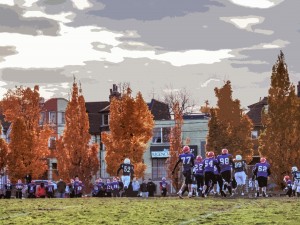
The Central Technical School Blues took on the football players of Sir John A. Macdonald Collegiate Institute on Nov. 7, 2013, before going on to win the citywide finals that year. The field was locked down shortly thereafter, following the discovery of contamination in the soil. The Central Tech students are keen to get their field back, and support the TDSB’s plan to install a championship field, which would include artificial turf and a seasonal dome, at the site. Photo Brian Burchell, Gleaner News
By Helen Zhou
There are a lot of things that could be said about Central Tech students. And, I accept that as human beings my fellow students are flawed and imperfect, just like all the rest of us. What I cannot accept is that we are being labelled as “pawns” by the Annex Gleaner newspaper simply because we support the TDSB’s plans to build a new state-of-the-art championship field at our school. The proposed plan for a public/private partnership between TDSB and Razor Management is a golden opportunity for us, which, if seized, will be immensely beneficial to our school and our students.
I would like to clear up some misunderstandings about the way our peaceful marches and protests have been portrayed in the December edition of the Annex Gleaner in the editorial entitled “Neither mobs nor pawns rule.” In calling us pawns, it was condescendingly implied that our protests are controlled by the TDSB and that we were only mindlessly following orders. Being a part of these protests myself, I can assure you that it was quite the contrary. The “mobs,” as our student march on October 6 and our protest demonstration at the Harbord Village Residents’ Association (HVRA) annual general meeting on November 3 have been unfairly branded, were organized and planned by students alone, and what we expressed during these protests was entirely justified and of our own free expression.
In fact, I feel very offended, as a student, that we would be labelled by the Annex Gleaner as pawns. This implies that we are haplessly being used, and that our efforts to send a valid message are being reduced, falsely, to an illustration of the TDSB’s “mounting desperation.” We are people, human beings with minds, visions, convictions, and aspirations that are completely our own, and which we are free to express. As a result of the protests that we planned and executed of our own volition last fall, the voices of the students are finally being heard and considered by the community, the media, and the broader public. We are very happy with the results of our actions, and I would point out that we live in a free and democratic country in which it is perfectly legitimate and acceptable for us to participate in the political process in this manner. At both the school march and the protest action against the HVRA, we were at all times peaceful, respectful, and civil in our conduct and in exercising our freedom of expression.
We truly do believe in what we are advocating for: a state-of-the-art sports facility that will enable us to practise sports through rain or shine, heatwave or blizzard. A facility that will boost our school pride and give us a multitude of opportunities that were never available to us before. A facility that will not only benefit the 1,800 students of Central Tech, but also the students of neighbouring schools, such as Harbord Collegiate, King Edward, and many others. And a facility that we will share with the downtown community, and that will also benefit thousands of non-students. This is not a game of political chess. There are no “ringleaders,” and we are not “pawns.” We are people fighting for what we need.
All we ask is to be taken seriously by the Annex Gleaner and the community. We may be students, younger with less experience in the world, but what we are working towards is a vision that will genuinely meet our own needs and desires. Not our teachers’. Not the school administration’s. Not the TDSB’s. Ours. And we would like to be treated with a little respect. And although we want to be good neighbours and share our facilities with the community, it is, after all, our field. And ultimately, the field is there primarily for us students, isn’t it?
—Helen Zhou
CTS Student Council President
Tags: General
February 19th, 2015 · Comments Off on Laugh-out-loud funny, cringingly frank, desperately tender
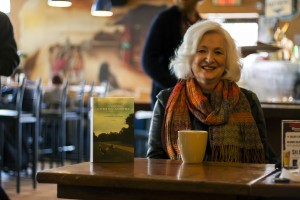
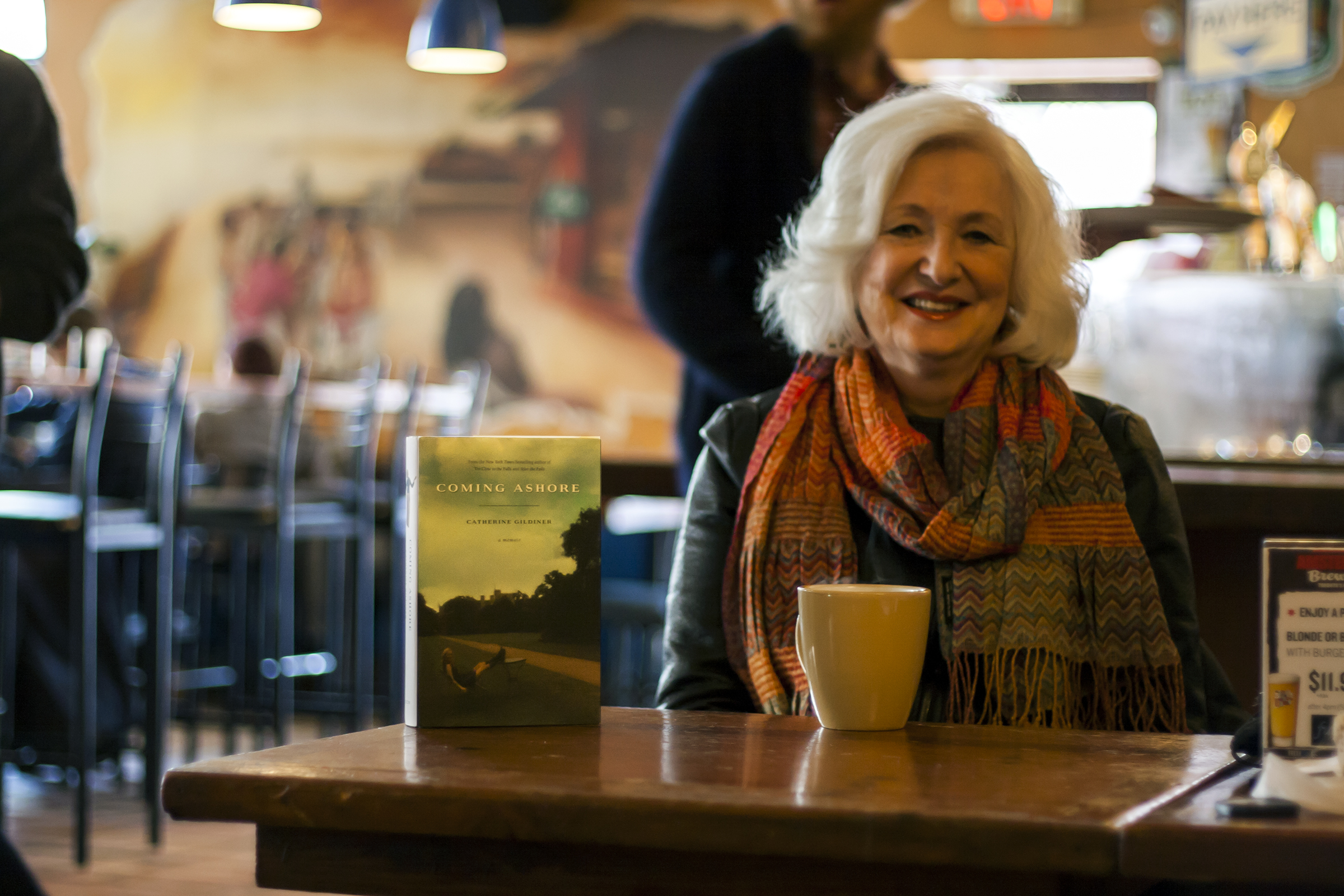
Catherine Gildiner, in Future Bakery (483 Bloor St. W.), one of her favourite spots in the neighbourhood, which “to me is like a small town.” The local resident says she’s “very attached to the Annex, and never wants to leave.” Photo Neiland Brissenden, Gleaner News
Gildiner explores literature, memory, and the passage of time in final memoir
By Annemarie Brissenden,
With Coming Ashore, the third instalment of her memoirs about finding her own place in a tumultuous world, Catherine Gildiner brings her Bildungsroman trilogy to a close. On the surface, the narrative picks up Gildiner’s story as she departs her Ohioan university, and covers her time at Oxford, her student teaching days, and her eventual arrival in Toronto. Always unflinchingly honest, even when portraying her own ignorance and folly, Coming Ashore is at times laugh-out-loud funny, at times cringingly frank, and at times desperately tender.
It is also much more.
Underpinning the name-dropping (oh to have seen Jimi Hendrix perform live in a London basement, encounter Cecil Day-Lewis’s dishevelled appearance at high table in Oxford, or studied under Northrop Frye, all of which she recounts in her inimitable style) are meditations on memory, and philosophical treatises on the passage of time. Most enjoyable, though, are the passages that transform the stuff of life into a key that unlocks literature, particularly poetry.
Hearing Dylan Thomas’s “Fern Hill” for the first time, in a poetry class at Magdalen College, for example, “drove me right back to Lewiston and Niagara Falls, where I had ‘the pebbles of my holy stream’: the Niagara Escarpment with its rough cliffs of fossils layered one upon another; the joy of the Niagara River in the spring, bubbling its fury while I stood safely on the warm rocks along the bank; the lemonade on the summer nights when fireflies danced, the ones my dad said only came to the home of perfect girls that looked like peaches in August.”
Gildiner highlights Thomas’s “exuberant innocence” while exploring her own growth from innocence to experience, perhaps an inevitable consequence of the passage of time. As she writes, “what you once thought was life was really youth, and it was fading…. You don’t feel the steel cable of time. It tightens gradually, link by link, until one day you feel that shackle dig into your breast when you try to take a carefree breath.”
Experience tugs at the waves of innocence throughout Coming Ashore and even permeates Gildiner’s style.
She’ll lull the reader with a bucolic memory or comic tale, then conclude with a jarring sting that hits like the swipe of a scorpion’s tail. Such a narrative device doesn’t simply elevate the memoir from naïve reverie, it often foreshadows harrowing events that are yet to come.
In one passage, she describes the gowned men trooping across an Oxford quadrangle as looking “ominously mid-raven to me, especially when their capes and sleeves billowed in the wind. This was my first hint of how frightening these men could become.”
Indeed, these same men would prove decidedly unsupportive and much too couth when dealing with the aftermath of a brutal assault in the college’s female showers.
It’s something one doesn’t forget, and a key to understanding how this self-described Irish storyteller remembers everything with such accuracy.
“Everybody has stories that are locked in,” she points out, “moments in time that we all remember.”
“Some times of your life are so memorable that you can almost reach into your mind and touch them. The perfect memories get locked in with the horrific ones. It is the everyday tedium that gets wiped out, while the extremes go on file,” she writes, just before unpacking her discovery of “Fern Hill”.
Such moments, she says, are often “tied to psychological moments in time.”
And, as she writes, those “precious years between freedom from home and ‘settling down’ are so short in the fullness of time, yet vivid in memory.”
The poetics of transition—from innocence to experience—is the very stuff of this book.
Tags: Annex · Arts · People
February 19th, 2015 · 3 Comments
New councillor states position on jets and Waterfront Toronto
By Joe Cressy
Toronto began as a waterfront city. It was our point of origin. Since then, our city has grown and developed in leaps and bounds, but along the way the waterfront seemed to have been lost. But in recent years we have found it again. As politicians, developers, community leaders, and business people, we’ve begun to reclaim and revitalize our waterfront.
What’s your vision afor Toronto’s waterfront? Mine is a simple but ambitious one. I believe Toronto should aspire to be a waterfront city. A city where the waterfront—from Mimico to Scarborough—is our collective front yard. Is this possible? Yes. Is it going to happen? It’s already under way, but the future is somewhat uncertain.
Let’s start with some facts. Toronto’s waterfront is home to tens of thousands of residents, 17 million annual visitors, eight blue flag certified beaches, more than 250 businesses (and that number is growing quickly), and thousands of recreational boaters and paddlers. In fact, the waterfront is the second largest destination in all of Toronto, behind only the Eaton Centre. Personally, I’d like to see that order reversed.
Thanks to renewed interest and political attention, waterfront revitalization in Toronto is under way and thriving.
This revitalization is not intended to be finished overnight—it is a long-term project that kicked into high gear in 2001 when all three levels of government came together, each contributing $500 million in seed funding, to form Waterfront Toronto. Waterfront Toronto was tasked with a 25-year mandate to revitalize 2,000 acres of waterfront. It is one of the world’s largest waterfront revitalization projects, far surpassing in size Darlington Harbour in Sydney, Battery Park in New York, or the Fan Pier in Boston.
The results to date have been significant. Waterfront Toronto has invested more than $1.3 billion in revitalization, resulting in $3.2 billion in economic output, 16,200 full-time years of employment, and $622 million in government revenues. The investments have also attracted $2.6 billion in private sector funding.
This is a comprehensive revitalization process, rather than simply a redevelopment. All along the waterfront this revitalization is helping to build sustainable communities and new affordable housing, such as in the West Don Lands Neighbourhood and the Pan Am Games Village. It is helping to build infrastructure and expand public transit, and increase economic competitiveness while building award-winning parks and public spaces such as Sugar Beach, Sherbourne Common, Corktown Common, Underpass Park, and the Central Waterfront wavedecks.
Amidst the remnants of twentieth century industrial buildings and aging infrastructure like the Gardiner Expressway, the waterfront is beginning to come to life again. However, it will be up to our current city council to ensure that it continues.
In the current term of council we will make decisions on two critical issues that will shape the future of the waterfront. In the coming years, council will make decisions on whether to allow expansion of the island airport, including jets, and on the future of Waterfront Toronto and how to fund it. These are not small issues and they will have long-reaching impacts on a vision for a waterfront city.
The debate over island airport expansion is one that seems to occur again and again, but should be straightforward. There are many valid concerns about expansion, ranging from health to environment, infrastructure, and traffic. But in my mind it all comes down to what our vision for the waterfront is: the waterfront is for people, not jets.
The future of Waterfront Toronto will also soon be before city council. Waterfront Toronto has a mandate and plan that runs until 2023, but its current capital projects will be largely completed by 2017 and its initial seed funding completely finished by 2019. Without a renewed commitment from all three levels of government, the important work of revitalizing our waterfront could stall.
We can be a waterfront city, if we choose to be. Let’s make it happen, again.
Joe Cressy is city councillor for Ward 20, Trinity-Spadina.
Tags: General
February 16th, 2015 · Comments Off on Mirvish Village architect has social justice, grassroots background
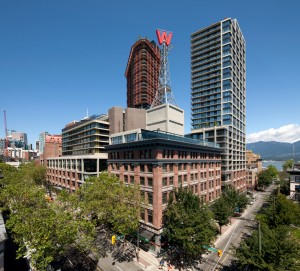
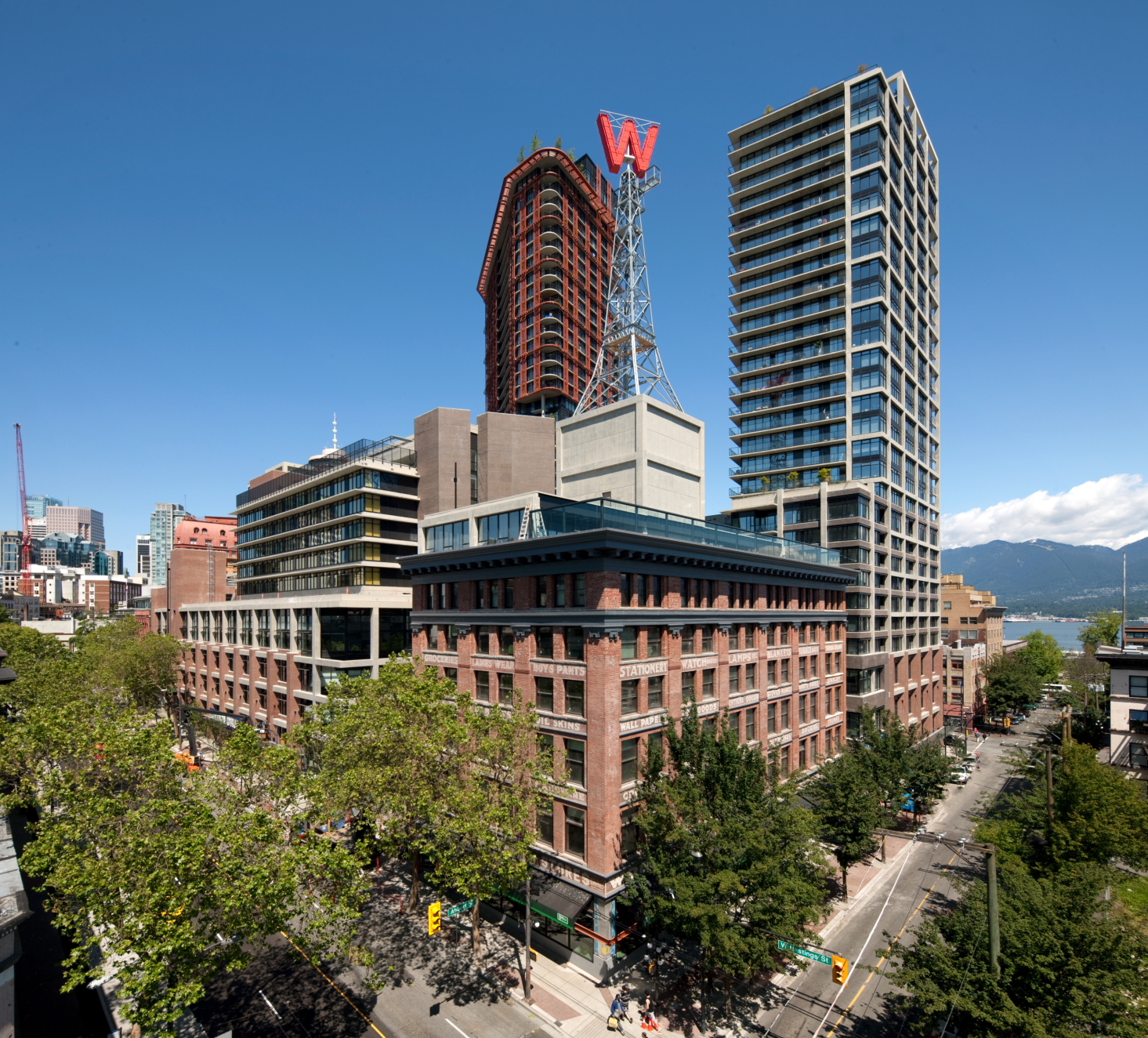
Woodward’s Redevelopment (shown above) in Vancouver’s West Hastings area is a comparable project in terms of importance, said Gregory Henriquez. It featured a homegrown department store that, very much like Honest Ed’s, shut down due to a paradigm shift, and was redeveloped into one of the most inclusive, mixed-use projects in the history of Vancouver.
Projects aim to redress balance of poetics and ethics
By Annemarie Brissenden
The redevelopment of a $100-million, 1.8-hectare parcel of real estate packed with history and nostalgia in the heart of the Annex will not only set the tone for future projects in the neighbourhood, but the very nature of the community itself.
Successfully transforming the site at Bathurst and Bloor streets that includes Honest Ed’s and Mirvish Village will necessitate balancing corporate interests, local expectations, and civic responsibility, yet it’s a challenge that Gregory Henriquez believes he can meet.
He also sees the project as an opportunity to model a new approach to city-building in Toronto.
“I bring fresh eyes, an idealistic sense of wanting to do something different than what’s been traditionally done in development communities,” said Henriquez. It will be the first Toronto-based project for the managing partner of Henriquez Partners Architects, the Vancouver-based architect that developer Westbank Projects Corp. tapped in September to oversee the site’s redesign.
Westbank and Henriquez have collaborated before, most notably on the Woodward’s Redevelopment, which the architect said is “a comparable project in terms of importance.”
Occupying approximately 11 hectares in the West Hastings area of Vancouver, the Woodward’s Redevelopment is one of the largest mixed-use projects in that city’s history, and one of the most inclusive. It includes a public plaza, urban green space, civic offices, retail space, a daycare, an extension of Simon Fraser University’s downtown campus, and non-profit community space, as well as 536 market and 200 non-market housing units.
Like Honest Ed’s, Woodward’s was once a department store, and fragments of the century-old building were incorporated into the redevelopment, along with homages to the store’s distinctive landmark sign. It took Henriquez Partners six years to complete, and included several rounds of community consultation aimed at developing a project that was sensitive to the needs of all of its stakeholders.
Such community-based development is at the heart of Henriquez’s methodology. The architect started his career in social housing, social-justice oriented, and grassroots projects, and that sensibility informs his aesthetic.
“In the old days, there was no distinction between ethics and poetics,” explained Henriquez. “In order for something to be beautiful, it also had to be ethical. Nowadays, something can be beautiful, but not necessarily good for the world.”
Making something beautiful that’s also “meaningful for the communities we’re involved in” is the architect’s way of redressing that balance. It’s also why he believes he’s the right architect to bring this project to fruition.
“I wouldn’t have taken on this project if I didn’t feel some sense of camaraderie,” he said. “The Annex has similar values to ours: left-leaning, social activism, environmental stewardship.”
He’s been thinking about how to incorporate what emerged from Westbank’s yearlong community consultation on the future of Markham Street and Honest Ed’s, the latter of which he views “as an extension of Mirvish Village.”
“It’s a unique site, with a unique history, and amazing potential. I really want to keep the history alive.”
Although nothing is cast in stone, Henriquez believes “the integration of Mirvish Village and Markham into the project will be essential in terms of the public realm.” He also notes that the “fine grain retail in the neighbourhood was something people want to keep,” and is considering establishing a St. Lawrence- or Granville-type market, as well as the tenability of doing purpose-built rental across different scales, including live/work and artist studios, in lieu of condominiums.
And, “I am still grappling with a way to tell the [area’s] story,” admitted Henriquez. “I want to find ways that, in terms of the program, bring back what the place is about in spirit.”
The architect said the people he has met with so far have been very positive.
“I am impressed with the entrepreneurial and non-profit spirit of the people I’ve met in conjunction with the project. I’m looking forward to making something really meaningful that will be there for the next hundred years.”
Henriquez is still working on the planning schedule with the City, but anticipates doing some public consultation on his initial ideas in February or March, and submitting a rezoning application later on in the spring.
Tags: Annex · News
February 16th, 2015 · Comments Off on TABIA recognizes local BIAs
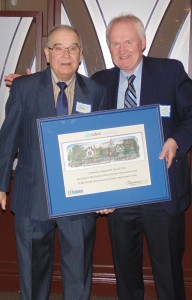
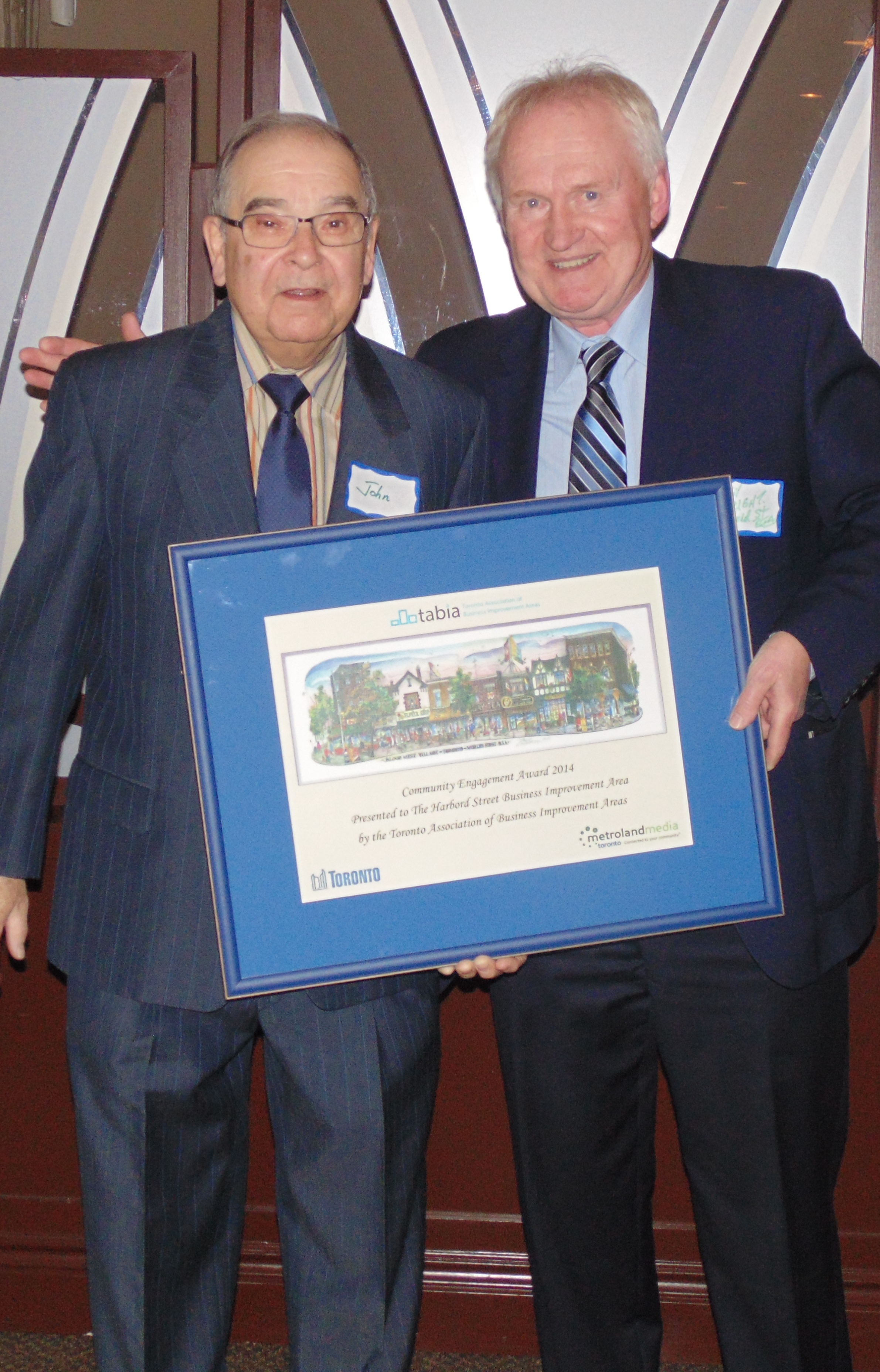
Neil Wright (right), chair of the Harbord Street Business Improvement Association, accepts the Toronto Association of Business Improvement Areas’ (TABIA) community engagement award last month on behalf of the local BIA. The Bloor-Yorkville BIA was also recognized, receiving an award for its events. Approximately 28 BIAs from across Toronto were celebrated in 13 categories at TABIA’s fourth annual awards dinner, which honours BIAs for improving the city’s neighbourhoods.
Tags: Annex · News