
The city is considering applying the HCD designation to the West Annex as part of its Phase II Heritage Conservation District Study.
By Damola Omole
On Oct. 21, 2025, City of Toronto planning staff hosted an open house at the Native Canadian Centre of Toronto (NCCT), where individuals from the Annex neighbourhood provided feedback on the city’s new West Annex Phase II Heritage Conservation District (HCD) Study.
Over the course of the three-hour event, various Annex residents popped in and out of the NCCT to learn more about the logistics of the HCD process and to chat with members of the City of Toronto’s planning team.
“We’re particularly interested in stories and understanding what makes places special or unique,” said Tamara Anson-Cartwright, a member of the City of Toronto’s urban design team.
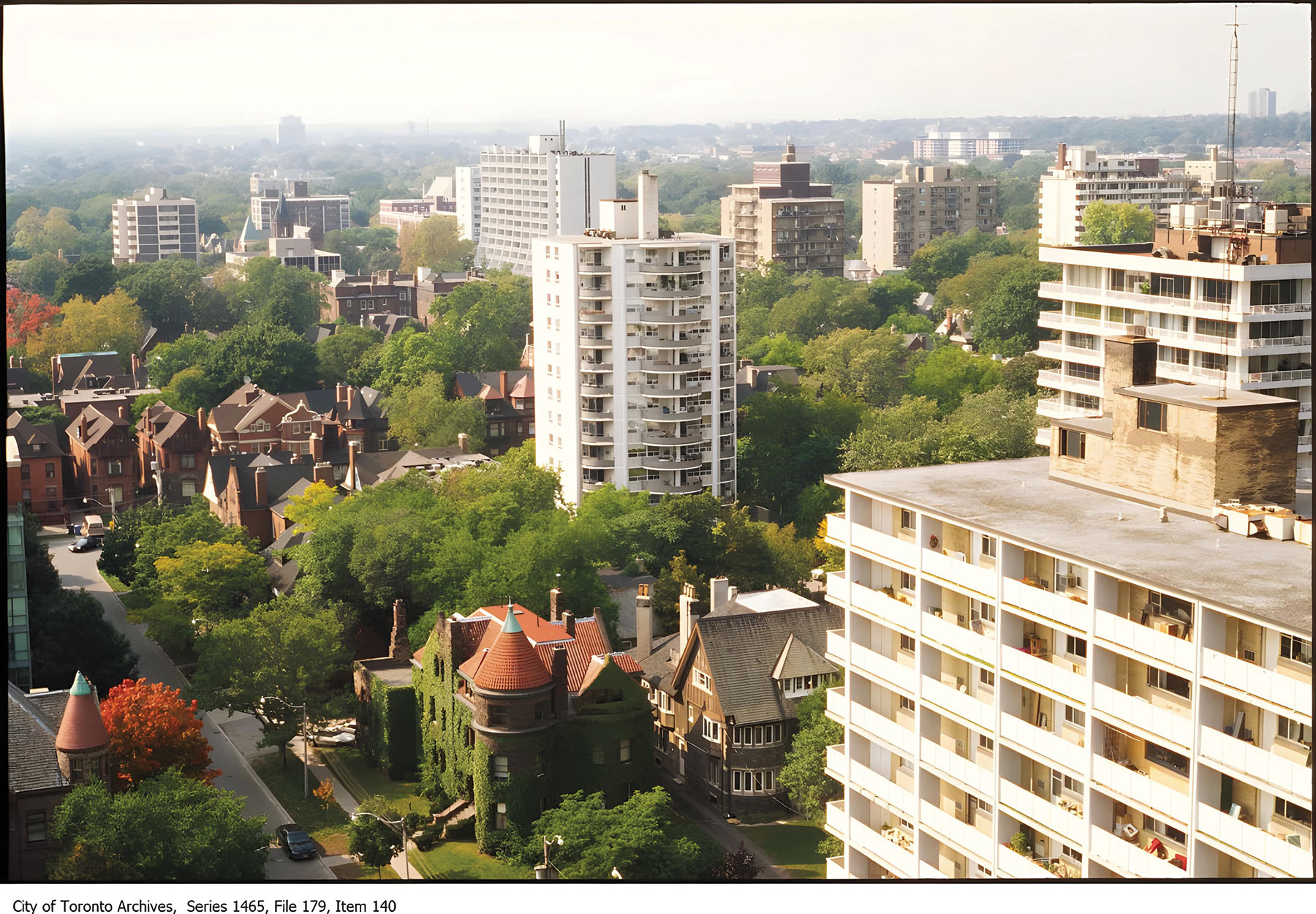
The traditionally recognized boundaries of the Annex are north to Dupont Street, south to Bloor Street, west to Bathurst Street, and east to Avenue Road. However, the City of Toronto recognizes a broader neighbourhood definition that includes the adjacent Seaton Village and Yorkville areas.
The Phase II study area covers the blocks between Bathurst Street and Bedford Road and between Dupont Street and Bloor Street West. It includes all properties within these boundaries except those already designated under the Madison Avenue HCD, which runs through the Phase II area and encompasses the properties fronting onto Madison Avenue from Dupont to just north of Bloor.
According to the City of Toronto, an HCD designation is a “a planning tool that guides change in neighbourhoods that represent Toronto’s rich social, cultural, and architectural history—places that contribute to the livability and appeal of Toronto as a multicultural, sustainable, and equitable city.”
Factors such as the many students who frequent the West Annex (thanks to its proximity to the University of Toronto and its inherent transitonal population) overall, make the West Annex worthy of an HCD designation, according to Annex resident Christopher Varley.
With this sentiment in mind, Varley is also cognizant of the city’s proclivities for construction and alteration.
“We do have a lot of subway stations, and, of course, I understand there’s a lot of pressure for development because of that,” Varley said.
According to the city, HCDs preserve the historicity of Toronto’s most storied neighbourhoods, while still enabling the city to seek “opportunities for contextually appropriate growth.”
Several sites within the Greater Toronto Area have received the designation, such as the King and Spadina intersection, Queen Street West, and Union Station.
Various parts of the Annex have also received the designation. The East Annex, which was the first large-scale residential neighbourhood to be studied in Toronto as a potential HCD, received the designation in 1994.
More recently, Madison Avenue, known for its collection of 20th residential houses designed by renowned Toronto architects, had its request for the designation approved by the local planning appeal tribunal in 2019.
Annex resident and member of the Annex Residents’ Association, Sara Shaul, believes that the West Annex deserves to be next in line.
“They started with the East Annex, and everyone was going, ‘What about the rest?’ So, we wanted [it] studied the way the east was,” Shaul said.
Shaul doesn’t merely think the West Annex deserves a designation; she thinks it needs one. To her, an HCD label may also help the community retain its character during the sometimes harsh uncertainties of Toronto’s infrastructure development scene.
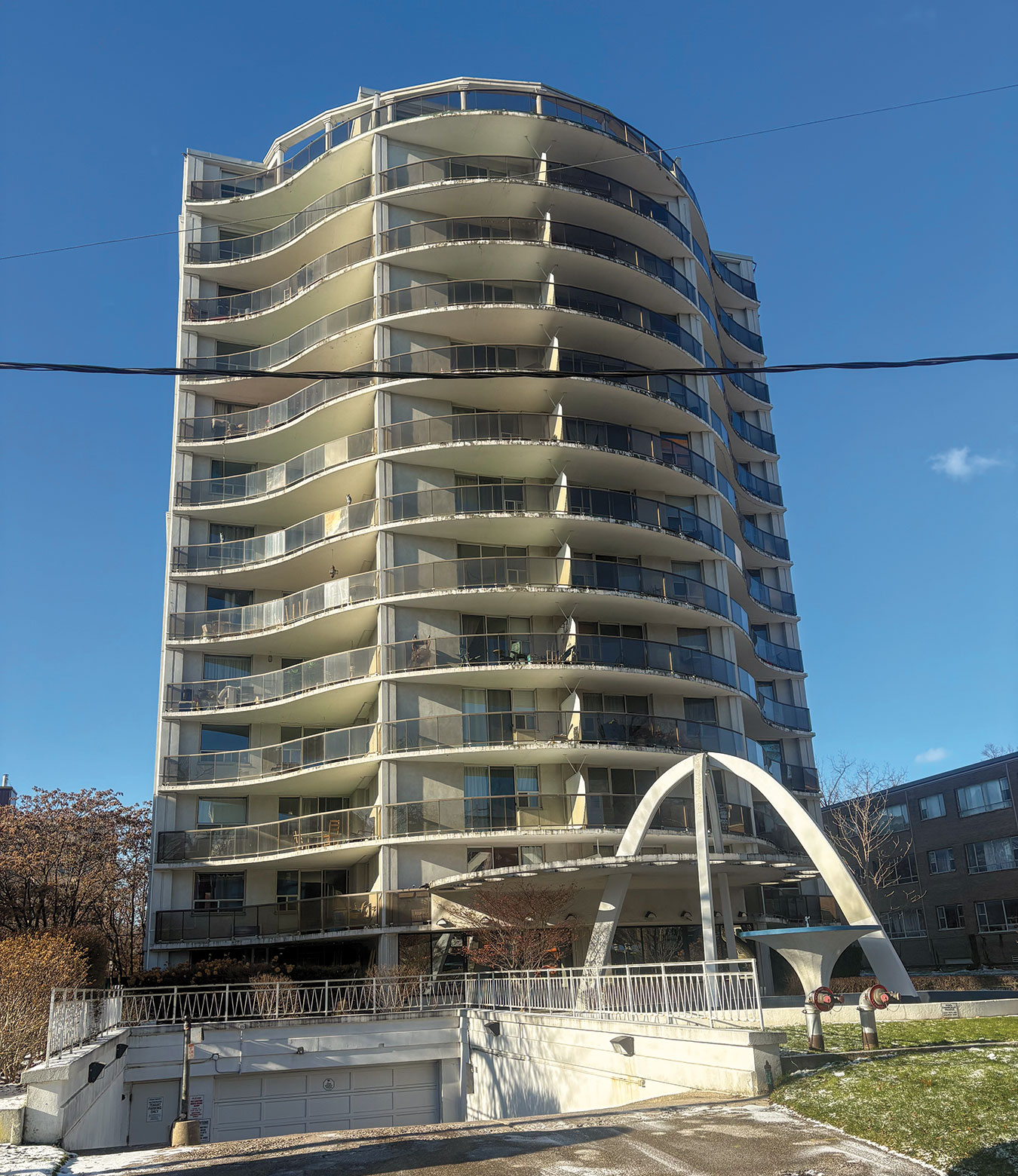
“We have layers of architectural development that responded to changing needs…and I hope the city maintains pieces of each of those layers,” Shaul said.
While the HCD designation doesn’t spare buildings from all forms of change and renovation, it exists to ensure that changes complement the existing unique built form rather than detract from it.
It also adds extra steps to the renovation process for property owners who may want to alter their own buildings. Certain types of alterations or renovations to a property within an HCD require a heritage permit.
A heritage permit is not required if an alteration or renovation is not visible from the street, or if it only affects the interior of a building.
Various sections of the GTA are consistently bogged down by large construction projects, and so Shaul hopes to see the City of Toronto acknowledge the history and architecture of the Annex so as to preserve its history.
“We must protect what’s of great value,” Shaul said.
While, by law, HCD sites are not immune to construction or alterations, the designation does require any new developments initiated within the area to follow tighter and more careful guidelines.
As stated on the City of Toronto website, “Proposed new construction, alterations, and additions should conserve heritage attributes, contribute to, and be compatible with the district’s character and sense of place.”
A notable example somewhat contrary to this sentiment can be seen through the Eglinton West, or Little Jamaica neighbourhood, which has been greatly impacted by the city’s prolonged LRT construction project.
Many businesses within the area had to shut down or completely overhaul practices as a result of the construction.
Even though the City of Toronto has consistently affirmed the cultural and historic significance of the Little Jamaica neighbourhood, Eglinton West has not been officially designated as an HCD.
The designation would likely not halt the LRT construction altogether; however, it might ensure proper measures are in place to help businesses within the area remain as unscathed as possible.
“We have policies that say no demolition of those amazing [heritage] buildings…but many districts also allow for change to happen that is of a bigger scale,” Anson-Cartwright said.
The process is still in its early stages, and there is no set deadline for when the West Annex can expect its designation to be approved. Other districts, such as Bloor West Village, have been waiting for as long as eight years, so the process can be a lengthy one.
In the meantime, more community engagement is coming, according to Anson-Cartwright. “We’re going to set up a local advisory committee, and we’ll be looking for people to volunteer,” Anson-Cartwright said.
“Most of the focus of the advisory group is with associations that represent the community…that will occur in the next two weeks.”
READ MORE:
- NEWS: St. George development sparks worry for residents (Mar. 2025)
- NEWS: Plan to protect Kensington Market (May 2024)
- NEWS: Annex heritage properties at risk (Apr. 2024)
- NEWS: The race to preserve Annex heritage (July 2021)
- NEWS: Pausing to preserve (City Election 2018)
- NEWS: From heritage to hovel (May 2018)
- CHATTER: Kensington Market HCD enters planning phase (Nov. 2017)
- NEWS: Preserving culture and history (MARCH 2017)
- NEWS: Kensington Market to become heritage district (May 2016)
- NEWS: Community council approves Madison Avenue HCD (Oct. 2015)
- NEWS: Preserving a historic street (May 2015)